The crisis in India-Bangladesh relations has deepened sharply after violent protests in Bangladesh and the killing of a Hindu garment worker triggered outrage on both sides of the border. What began as domestic unrest has now spilled over into diplomatic tension, visa suspensions, and street protests targeting diplomatic missions.
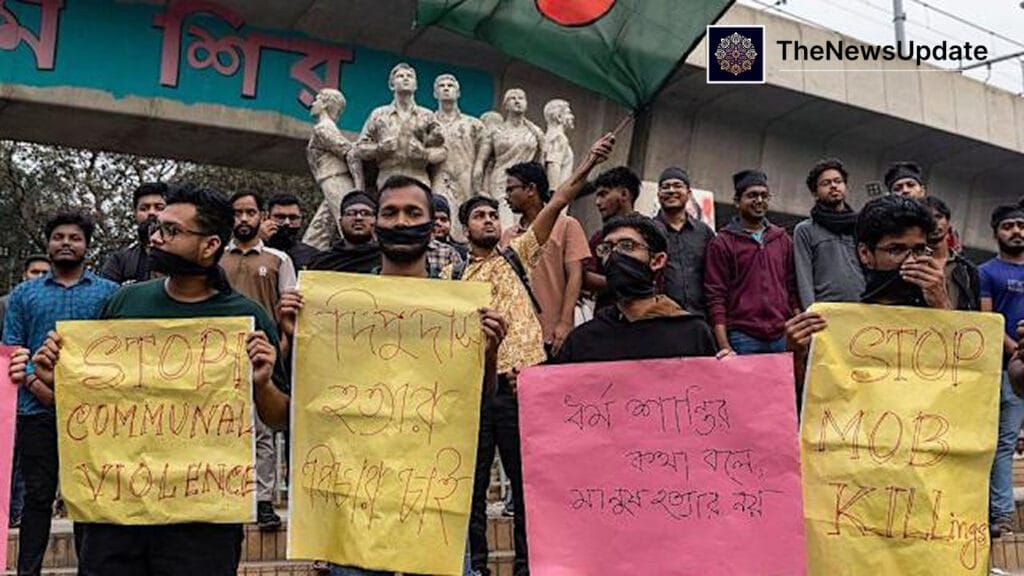
The killing of Dipu Chandra Das, a 27-year-old member of Bangladesh’s Hindu minority, has become a flashpoint in the already fragile relationship between the two South Asian neighbours. Das was accused of blasphemy and lynched by a mob in Mymensingh in northern Bangladesh, an incident that shocked the region and reignited concerns over minority safety.
Violence Sparks Diplomatic Fallout
The lynching occurred just hours before violent protests erupted in Dhaka over the killing of student leader Sharif Osman Hadi. Supporters of Hadi alleged that the main suspect had links to the Awami League, the party of former prime minister Sheikh Hasina, and had fled to India. Bangladeshi police later said there was no confirmation that the suspect had left the country.
यह भी पढ़े:
 Osman Hadi Killers Fled to India via Meghalaya Border: Dhaka Police Reveal Shocking Escape Route
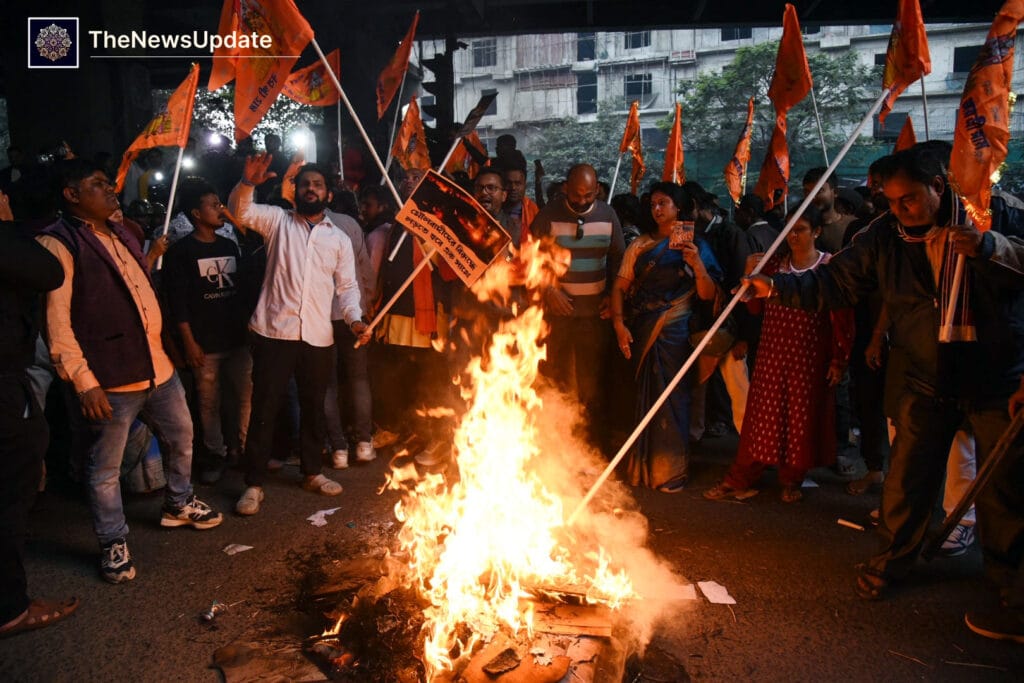
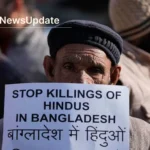
Nevertheless, the allegation fuelled strong anti-India sentiment in Bangladesh, while the killing of Das sparked protests by Hindu nationalist groups across India. Demonstrators accused Dhaka of failing to protect minorities, pushing the crisis in India-Bangladesh relations to a new low.
In response to the growing unrest, both countries suspended visa services in several cities, including Delhi. India and Bangladesh also summoned each other’s high commissioners, raising concerns about the security of diplomatic missions.
Attacks on Diplomatic Missions Raise Alarm
In recent days, Bangladeshi security forces stopped protesters from marching towards the Indian High Commission in Dhaka. In the port city of Chittagong, a mob pelted India’s assistant high commission with stones, prompting strong condemnation from New Delhi.
यह भी पढ़े:
 Bulldozer Raj Karnataka Demolitions: Congress Govt Faces Backlash After 400 Muslims Left Homeless
India, in turn, objected to protests outside Bangladesh’s diplomatic premises in Delhi. Dhaka described these demonstrations as “unjustifiable,” underlining the deep mistrust now defining bilateral ties.
Former Indian high commissioner to Bangladesh Riva Ganguly Das described the situation as volatile, saying it was difficult to predict how tensions might evolve. Former Bangladeshi diplomat Humayun Kabir echoed the concern, stating he had never seen such levels of suspicion between the two countries.
Anti-India Sentiment and Minority Fears
Anti-India sentiment in Bangladesh has existed for decades, but it has intensified since Sheikh Hasina was deposed last year after 15 years in power. Many Bangladeshis accuse India of exerting excessive influence during her rule.

The anger has grown further since Hasina took refuge in India, with Dhaka repeatedly requesting her return. India’s refusal so far has become a rallying point for protesters who accuse Delhi of interfering in Bangladesh’s internal affairs.
The killing of Dipu Chandra Das has also renewed fears over the safety of minorities. Graphic videos of the lynching circulated widely on social media, intensifying outrage. Bangladesh’s interim government, led by Nobel laureate Muhammad Yunus, condemned the violence and promised strict action. Police have arrested at least 12 people in connection with the killing.
Rising Extremism and Civil Society Under Pressure
Analysts warn that the broader trend is troubling. Since Hasina’s exit, radical Islamist groups have become more assertive. Reports indicate attacks on Hindus, desecration of Sufi shrines, restrictions on cultural activities, and attempts to limit women’s participation in sports.
Human rights groups have also expressed concern over increasing mob violence. Bangladeshi political analyst Asif Bin Ali says hardline elements now see themselves as mainstream, using accusations of being “pro-India” to justify attacks on critics.
Even major newspapers such as The Daily Star and Prothom Alo were targeted by mobs accusing them of siding with India, raising alarms over press freedom and civil liberties.
Elections, Regional Stability, and Strategic Concerns
The crisis in India-Bangladesh relations comes at a sensitive political moment. Bangladesh is scheduled to hold elections on 12 February, but until then, the interim government faces mounting criticism over its ability to maintain law and order.
यह भी पढ़े:
 Canada Hospital Killed Indian-Origin Man: Wife Alleges Medical Negligence After 8-Hour Wait
With the Awami League barred from contesting, the Bangladesh Nationalist Party is expected to lead the race. However, Islamist parties such as Jamaat-e-Islami could pose a significant challenge, particularly if anti-India sentiment continues to be exploited.
India is watching developments closely. An Indian parliamentary panel recently described the situation in Bangladesh as the greatest strategic challenge to Delhi since the 1971 independence war. Stability in Bangladesh is seen as critical to India’s security, especially in the north-eastern region.
What Lies Ahead for India-Bangladesh Relations
Despite the heightened tensions, diplomats and analysts believe the relationship can still be repaired. India has indicated it is willing to engage with an elected government in Dhaka once polls are held.
Former Bangladeshi diplomats argue that both sides must accept political realities and rebuild trust through dialogue. Given their shared history, geography, and economic interdependence, prolonged hostility would benefit neither country.
For now, experts caution that street-level anger and political rhetoric must not be allowed to permanently damage one of South Asia’s most important bilateral relationships.
Related Reads
By The News Update— Updated December 24, 2025