In a dramatic escalation of oversight pressure, the United States Congress has moved to restrict Defence Secretary Pete Hegseth’s travel budget in order to compel the Pentagon to release an unedited boat strike video of a highly controversial “double-tap” military strike. The incident, which took place on 2 September in the Caribbean, has quickly emerged as one of the most scrutinised episodes in the Trump administration’s maritime anti-trafficking campaign.
Lawmakers from both major parties have expressed growing concern over the legality of the strike, transparency from the administration, and the evolving narrative from President Donald Trump and Defence Secretary Hegseth. As demands for accountability intensify, a major defence policy bill now contains explicit conditions linking Hegseth’s 2026 travel budget to the release of the classified footage.

Congress Moves to Force Transparency Through Budget Pressure
The pressure tactic appears inside a sprawling 3,000-page defence spending bill authorising nearly $901 billion in federal defence expenditures for the coming year. Buried in the dense legislative text is a clause that restricts Hegseth’s office from spending more than 75% of its allocated 2026 travel funds until the Pentagon hands over all unedited videos of strikes conducted under the US Southern Command’s area of responsibility.
यह भी पढ़े:
 Brown University Shooting Victims: What We Know About Ella Cook and Mukhammad Aziz Umurzokov
This region includes the same waters where the September double-tap strike occurred. The provision signals growing bipartisan impatience, particularly as the administration continues to defend the operation while declining to release full evidence supporting its justification.
The inclusion of this clause also reflects a rare cross-party consensus: Republicans and Democrats who viewed the classified footage last week emerged with distinctly different interpretations, yet both sides agree on the need for transparency, oversight, and proper legal justification.
The Incident: What Happened on 2 September?
On 2 September, US armed forces carried out a strike on a suspected drug-carrying vessel in the Caribbean. According to the Washington Post and congressional sources, nine individuals were killed in the first strike. Two survivors remained alive, clinging to the wreckage, when the boat was struck again in what experts describe as a “double-tap” attack—an action typically condemned under the laws of armed conflict.

The second strike killed the two remaining survivors. This is the portion of the operation that has triggered the most intense legal and ethical debate and is the centrepiece of the video Congress is demanding be made public.
Under international humanitarian law, a combatant is required to render aid to the wounded rather than strike them again. Legal scholars argue that the second strike may violate this principle unless there is credible evidence that the survivors still posed an immediate threat. As of now, the administration has not publicly presented such evidence.
Trump’s Shifting Statements Deepen the Controversy
President Trump has repeatedly characterised the maritime strike campaign as a major victory in stopping illegal drug trafficking, even claiming—without providing data—that each destroyed vessel saved “25,000 American lives.”

Last Wednesday, when asked on camera whether the video of the second strike should be released, Trump stated:
“Whatever they have, we’d certainly release, no problem.”
However, only five days later, when asked again by the same reporter, Trump denied ever making the comment:

“I didn’t say that. That’s — you said that, I didn’t say that.”
He then shifted responsibility back to Hegseth, saying:
“Whatever Pete Hegseth wants to do is OK with me.”

This back-and-forth has raised eyebrows in Congress, especially as lawmakers investigate whether the administration is intentionally withholding information related to potential violations of international law.
Inside the Classified Briefing: Divided Reactions
Last week, senior lawmakers were shown the video in a closed-door briefing led by Admiral Frank Bradley, who reportedly ordered the second strike—not Hegseth. The reactions emerging from that meeting reveal a sharp political divide.
- Jim Himes, a senior Democrat on the House Intelligence Committee, described the footage as “deeply, deeply troubling.”
- Senator Tom Cotton, a prominent Republican, insisted the strikes were “entirely lawful and needful.”
These conflicting interpretations highlight the political complexity surrounding the case. While some lawmakers see the footage as evidence of possible misconduct, others frame the operation as a justified extension of anti-trafficking operations in contested waters.

What the Draft Bill Requires from the Pentagon
The defence bill mandates the Pentagon provide unedited strike footage to the House and Senate Armed Services Committees. The directive explicitly references “designated terrorist organisations” within the Southern Command region, aligning the mandate with the administration’s narrative that drug trafficking vessels fall under this designation.
However, critics argue that the administration has not presented public evidence that the boat’s occupants were engaged in terrorist activity. The ambiguity surrounding this classification is another source of tension, particularly among legal scholars who say the administration’s justification for its maritime strikes may lack foundation under international law.
Why the Double-Tap Raises Legal Red Flags
Double-tap strikes are highly controversial. Under the laws of war, combatants who are wounded or incapacitated are considered hors de combat, meaning they must not be targeted. Experts say that unless there was clear evidence that the two survivors posed an ongoing threat, the second strike could constitute an unlawful act.
Dozens of individuals have been killed since the US initiated its months-long boat strike campaign, but the administration has provided no public evidence linking each target to criminal or terrorist activity. This opacity, combined with the escalation of lethal actions, has heightened scrutiny from lawmakers, military lawyers, and human rights groups.
Hegseth at the Center of the Storm
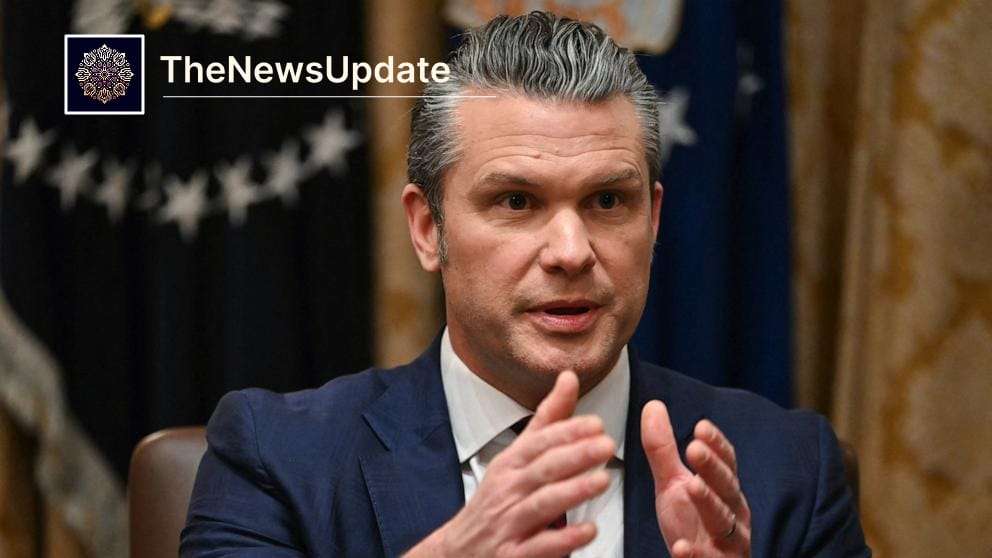
Pete Hegseth has become a lightning rod in the growing controversy. Although the Pentagon maintains that Admiral Bradley ordered the second strike, Hegseth’s media presence and political prominence have made him the public face of the administration’s defence narrative.
When asked recently whether the video would be released, Hegseth responded:
यह भी पढ़े:
 Katy Perry and Justin Trudeau: The Romance and the Justin Trudeau Katy Perry Relationship
“We’re reviewing the process, and we’ll see.”
This noncommittal statement has only intensified calls for transparency.
Bipartisan Pressure Builds
What makes this case notable is the degree of bipartisan consensus on the need for a full accounting. While Republicans and Democrats disagree on the legality of the operation, they agree that Congress must have full access to the footage and that the public deserves a clear explanation.

The threat to restrict Hegseth’s travel budget—an unusually direct pressure tactic—reflects a growing willingness among lawmakers to challenge the administration over national security decisions.
What Happens Next?
Hegseth, Secretary of State Marco Rubio, and Joint Chiefs Chairman Dan Caine are scheduled to brief top congressional leaders. This meeting is expected to determine whether the Pentagon will release the video voluntarily or whether Congress will need to escalate its demands.
If the bill passes with the current wording intact, it will legally bind Hegseth’s office to hand over the footage before accessing 100% of its 2026 travel funds. This is likely to force a confrontation between Congress and the Pentagon if the administration continues to refuse release.
Conclusion: A High-Stakes Transparency Battle
The controversy surrounding the boat strike video underscores a deeper conflict between military secrecy, legal accountability, and political messaging. As Congress increases pressure through legislative tools, the Pentagon and Trump administration face mounting demands to address lingering concerns about the legality and morality of the September operation.
With bipartisan scrutiny intensifying and public interest growing, the release—or continued withholding—of the video may become a defining moment for US defence transparency in the Trump era.
For continued updates on Canada news and digital finance developments, visit our Tech News section and The News Update.