Table of Contents
- Background: Why the Cognizant Employee Monitoring System Is in the Spotlight
- How the New Monitoring System Works
- Reactions, Concerns, and Industry Comparison
- Conclusion: What’s Next for Employees and the IT Industry?
Background: Why the Cognizant Employee Monitoring System Is in the Spotlight
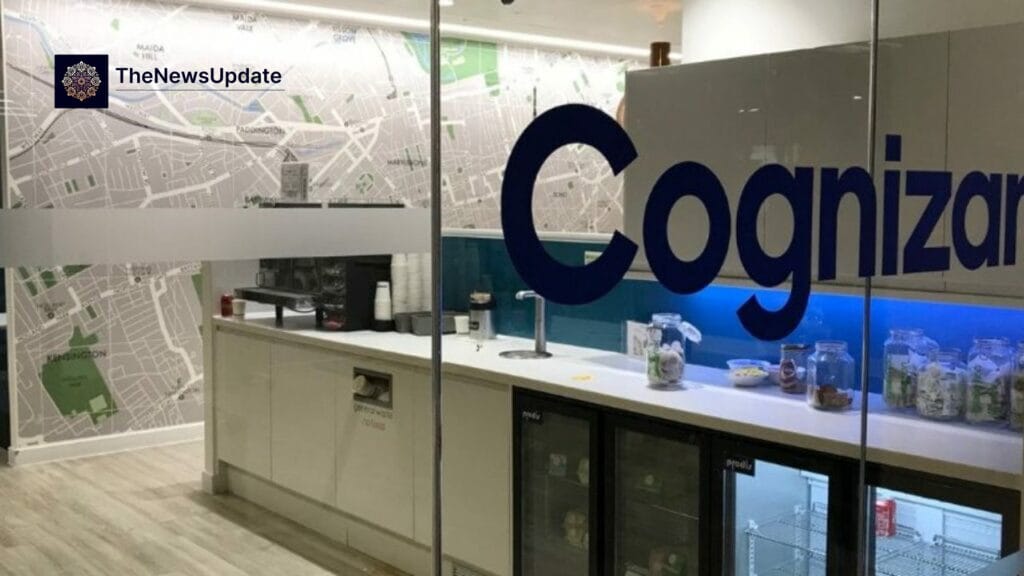
Cognizant’s latest shift toward tighter digital oversight has triggered widespread discussion across the Indian IT industry. As one of the world’s largest technology and outsourcing firms, Cognizant has always operated with structured workflows, especially in client-driven projects. However, the introduction of a more rigorous Cognizant employee monitoring system marks a new phase of micro-tracking, prompting employees and industry observers to question how far digital surveillance should go in the workplace.
According to an exclusive report by Mint, the company has begun implementing ProHance, a workforce-analytics tool that provides insights on productivity by tracking mouse and keyboard activity. Though digital activity tracking is not new in the IT and BPO sectors, the intensity of this rollout — including a strict 5-minute idle threshold — has amplified concerns related to employee autonomy, trust, and the psychological impact of continuous monitoring.
Employee monitoring tools gained popularity during the remote-work era, when companies sought ways to maintain productivity across distributed teams. However, as hybrid work becomes the new normal, organisations are reassessing how much digital oversight is truly necessary. Cognizant’s move suggests a renewed emphasis on quantifying productivity, even as debates around employee wellbeing and workplace surveillance escalate globally.
How the New Monitoring System Works
The core of the Cognizant employee monitoring system lies in its use of ProHance, a tool already known within the IT industry. ProHance generates real-time analytics on employee activity, including:
- Keyboard and mouse movement
- Active vs. inactive window tracking
- Application usage
- Time allocation across tasks
- Break duration and frequency
The recent change introduces two key rules:

- Idle after 5 minutes: If there is no keyboard or mouse activity for 300 seconds, the system automatically marks the employee as “idle”.
- Away after 15 minutes: If inactivity stretches to 15 minutes, the employee is categorised as “away from the system”.
While such features may sound straightforward, they have significant implications. In high-pressure tech environments, employees frequently step away briefly — to coordinate with colleagues, review documents, answer calls, or simply take a mental breather. Under the new system, every short pause becomes an entry in a digital timeline, painting a granular picture of work habits.

Cognizant has clarified that this data will not be used in performance evaluations. A company spokesperson told Mint that the “purpose is to help better understand client process steps and related time metrics”, framing the monitoring initiative as a tool for process optimisation rather than individual scrutiny.
Reactions, Concerns, and Industry Comparison
The new Cognizant employee monitoring system rollout has sparked a spectrum of reactions across internal teams, client groups, and the broader IT industry.

Employee Concerns
For many employees, the biggest concern is the psychological weight of constant digital observation. The fear is not just about being monitored — it’s about how the data might eventually be interpreted.
Some employees told Mint that the training course required to use ProHance included a mandatory “I agree” step, raising questions about whether consent was genuinely optional. This mandatory acceptance creates a perception that the system is less about transparency and more about compliance.
Another worry is that micro-tracking shifts focus from meaningful productivity to minute-to-minute computer activity. Coding, problem-solving, client calls, requirement discussions, and documentation — many essential tasks do not involve continuous keyboard use, yet may be incorrectly categorised as idle time.
यह भी पढ़े:
 Samsung Bixby Perplexity AI Integration: 7 Key Signs Samsung Is Reinventing Its Voice Assistant
Industry Comparison
Cognizant is not alone. Wipro already uses ProHance, and several large IT and BPO firms employ similar tools. As outsourcing clients become more demanding about quantifiable productivity metrics, companies are under pressure to adopt increasingly data-driven systems.
However, there is growing pushback. Research from external sources such as the Forbes Future of Work report highlights that excessive monitoring can reduce employee morale and may not always correlate with higher efficiency. Instead, it often leads to stress, burnout, and fear-driven work patterns.
Legal & Ethical Questions
India currently lacks a comprehensive law governing employee digital surveillance. Most corporate tracking practices fall under internal policy frameworks and consent clauses. Yet, ethical concerns remain:

- Is “consent” valid if declining it affects one’s job?
- Should digital inactivity be equated with unproductiveness?
- How much monitoring is reasonable in a hybrid workplace?
These are questions both employees and employers continue to grapple with as technology becomes increasingly intertwined with workplace performance evaluation.
Conclusion: What’s Next for Employees and the IT Industry?
The Cognizant employee monitoring system represents a critical moment for India’s IT sector. As companies balance client expectations with employee wellbeing, the debate over digital surveillance will only intensify. While Cognizant insists the data will not be used for performance reviews, the fear of potential misuse lingers among employees.
Going forward, organisations may need to re-evaluate how they define productivity. Instead of equating human performance with constant keystrokes, companies could focus on outcome-based assessment models that value creativity, problem-solving, and client delivery over mere desk time.
यह भी पढ़े:
 New York Times Reporter, Authors Sue Google, OpenAI, Meta Over AI-Based Copyright Infringement
Striking the right balance between oversight and trust will determine the future of workplace culture in India’s IT industry.
Related Reads
By The Morning News Informer — Updated Nov 17, 2025