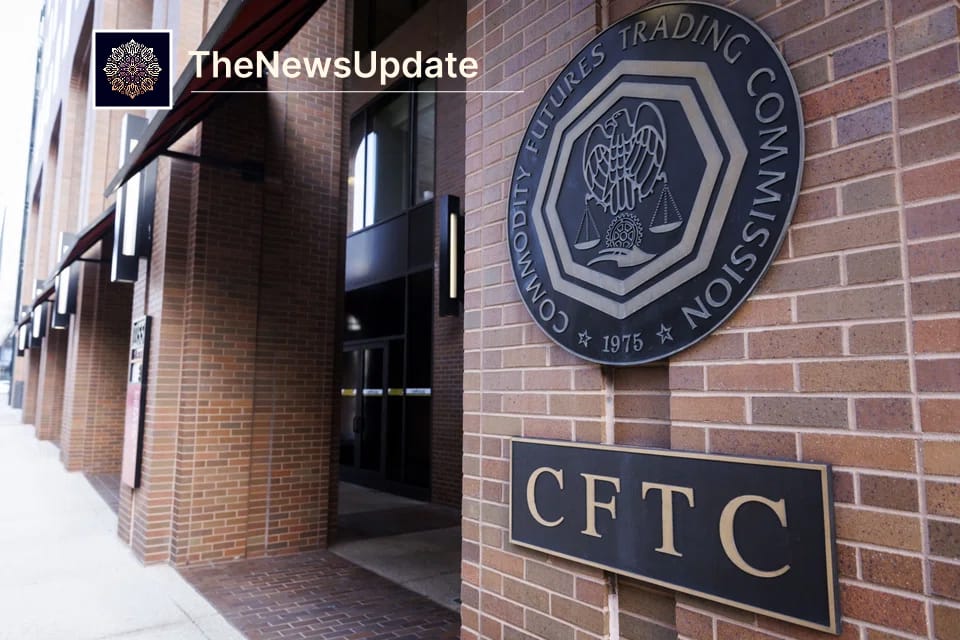
The US Commodity Futures Trading Commission (CFTC) has taken a monumental step by approving the listing of spot cryptocurrency products on federally supervised exchanges for the first time CFTC spot crypto trading. This move is being hailed as one of the most significant regulatory developments in the history of digital assets. By allowing spot crypto trading under an established federal framework, the CFTC is looking to create a safer and more transparent market—one that closely resembles the oversight standards used in traditional commodities trading.
This landmark decision is expected to reshape how institutional and retail investors interact with digital assets in the United States. Until now, traders primarily depended on offshore platforms or lightly regulated exchanges to buy actual cryptocurrency. The new approval aims to bring liquidity, transparency, and accountability into a market often criticized for security risks and manipulation concerns.
CFTC’s Rules Bring Spot Crypto Trading Under Stronger Federal Supervision CFTC spot crypto trading
According to the CFTC, exchanges that list spot crypto commodities must now implement stringent operational safeguards. These include robust surveillance systems, transparent custody practices, reliable clearing mechanisms, and strong risk management frameworks. These measures collectively aim to reduce fraud, market manipulation, and systemic risks—issues that have plagued global crypto markets for years.


Under the new framework, exchanges must also demonstrate strict compliance in areas such as:
- Market monitoring and surveillance to prevent manipulative trading patterns.
- Secure custodial arrangements to protect users’ digital assets from breaches or mismanagement.
- Clear settlement and clearing processes that reflect traditional commodity trading standards.
- Stronger risk assessments to handle volatility and liquidity challenges associated with cryptocurrencies.
The CFTC emphasized that these controls are designed to align digital asset markets with the maturity and integrity seen in established commodities markets. The move is part of a broader strategy to integrate crypto into the US financial system without compromising investor safety.
Industry Leaders Call the Decision ‘Historic’
The crypto industry has reacted overwhelmingly positively to the CFTC’s announcement. Raj Karkara, COO of ZebPay, described the approval as “one of the most defining moments for the global crypto ecosystem and one of the most historic regulatory advancements we have seen this year.”

Karkara highlighted that the move bridges a long-standing gap between offshore crypto trading and traditional finance. According to him, regulatory clarity around custody, surveillance, clearing, and risk management will transform how institutions approach the asset class.
WazirX founder Nischal Shetty echoed similar sentiments, stating that US regulators allowing spot crypto to trade on CFTC-regulated platforms marks the first time that direct crypto transactions—not just futures or ETFs—fall under federal oversight. Shetty believes the decision could be the catalyst needed to push digital assets further into the mainstream financial rulebook.
The Journey Toward Oversight: CFTC’s Broader Regulatory Exploration
The approval comes after several months of public consultations, including a CFTC request in September seeking input on whether tokenised assets and stablecoins should be used as collateral in derivatives markets. Although not meant to launch immediate policies, the consultation signaled increasing interest from regulators in understanding emerging blockchain frameworks and their potential risks.

CFTC officials have repeatedly stressed that proper oversight is necessary as cryptocurrency markets evolve. Volatility, liquidity gaps, and market manipulation have contributed to billions of dollars in losses for investors globally. With increasing institutional capital entering digital assets, regulators believe now is the time to establish a structured framework for the future.
What This Means for Crypto Investors and US Markets
The approval of spot trading under a regulated structure could accelerate the migration of liquidity from offshore exchanges to US-based platforms. This shift may ultimately result in more stable markets, reduced chances of fraud, and increased confidence among long-term investors.
Some of the immediate benefits expected include:

- Stronger institutional participation: Banks, fund managers, and regulated financial entities may now feel more comfortable trading spot crypto under federal oversight.
- Higher transparency: Exchanges must comply with disclosure and monitoring standards similar to regulated commodity markets.
- Reduced systemic risks: Surveillance and risk-management tools can help prevent events like flash crashes or artificially inflated markets.
- Better investor protection: Regulated platforms minimize the chances of losses due to hacking, mismanagement, or opaque practices.
Despite the advantages, some challenges remain. Crypto volatility will not disappear, and the transition will require exchanges to upgrade systems, custodial structures, and compliance frameworks to meet the CFTC’s standards.
A Turning Point for Global Crypto Regulation?
The United States has long been criticized for lacking clear rules governing digital assets. While futures trading has been regulated for years, spot markets remained largely unregulated. This decision signals a major shift in approach—one that could influence other countries to adopt similar models.
With Europe pushing MiCA (Markets in Crypto Assets Regulation) and Asian nations tightening rules, the US move may set a global benchmark for how to regulate spot crypto markets without stifling innovation.

Conclusion: A New Era of Accountability for Digital Assets
The CFTC’s approval of spot crypto trading on regulated exchanges opens the door for a safer, more transparent, and more institutionally friendly crypto market in the US. While crypto will always carry risks due to volatility and technological complexities, this decision marks a major effort to integrate digital assets into the existing financial system responsibly.
As institutional interest grows and regulatory clarity improves, the coming years may witness a maturing crypto ecosystem—one shaped not just by technological innovation but by robust oversight and strengthened investor protection.
For more updates The News Update .