Table of Contents
- Introduction: AI-Based Protection for Athletes
- How the Social Protect App Works
- Limitations of the Current System
- Impact of Online Abuse on Athletes
- UK Sport’s Goals and Broader Implications
- Related Reads
Introduction: AI-Based Protection for Athletes
Top British athletes are now receiving a new layer of protection against online abuse through an AI-powered Social Protect app. UK Sport, the body funding Olympic and Paralympic sports, has invested over £300,000 to provide thousands of athletes free access to the app, which shields them from abusive posts across major social media platforms. This protection will continue through the Games cycle up to Los Angeles 2028.
UK Sport director of performance Kate Baker highlighted the importance of this initiative, saying: “The level of abuse our athletes are facing online is unacceptable – to do nothing about this is not an option.” This deal represents the first AI-based solution of its kind in British sport, demonstrating a proactive approach to safeguarding mental wellbeing and digital safety.
How the Social Protect App Works
The Social Protect app automatically scans incoming posts in real time on platforms such as Instagram, Facebook, TikTok, and YouTube. It searches for over two million abusive words and phrases, hiding messages that contain them. Athletes can also customise the system by adding specific terms they find upsetting.
- Real-time detection prevents abusive content from appearing in comment sections or replies.
- Athletes can manage their own list of offensive terms to further personalise protection.
- The system operates silently in the background, similar to anti-virus software.
- Protection covers athletes, coaches, staff, and family members involved with UK Sport.
Shane Britten, founder of Social Protect, explained: “The aim is to keep comment sections clean of racism, hatred, scams – of all the horrible things that can exist on social media.”
Limitations of the Current System
While effective, the system has some limitations. Currently, it does not cover posts on X (formerly Twitter), which research shows is the source of 82% of abuse targeted at sports professionals. Additionally, only publicly visible posts are scanned; abusive direct messages remain accessible unless athletes use other more intrusive tools, which often require sharing private login credentials and incur higher costs.

Impact of Online Abuse on Athletes
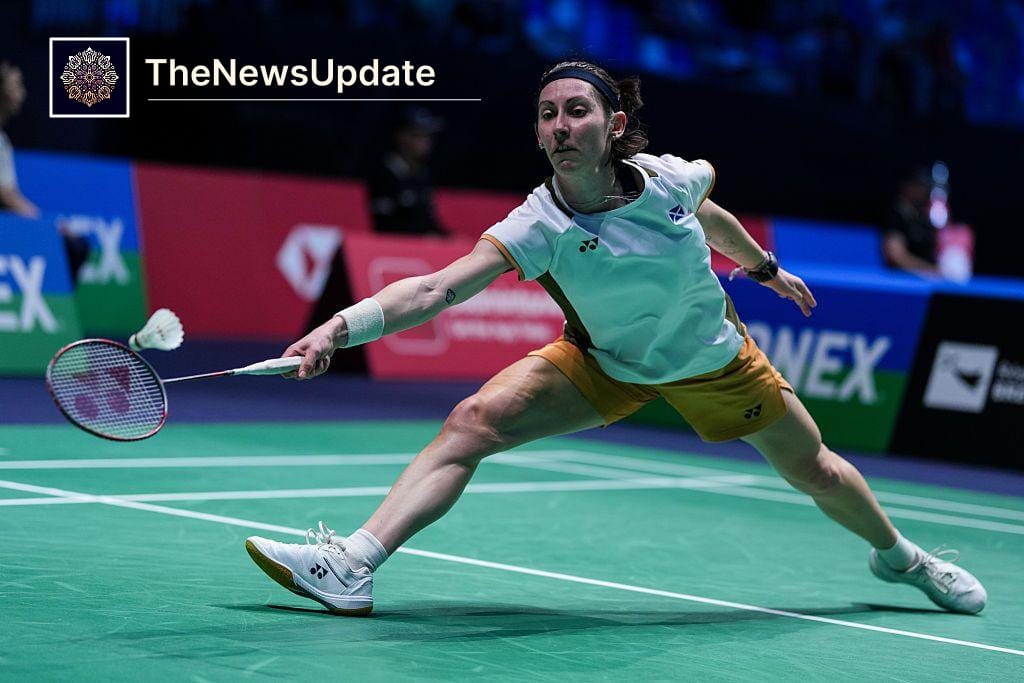
Athletes have faced online abuse for years, ranging from career-focused criticism to personal threats. Kirsty Gilmour, a three-time Olympic badminton athlete, has received death and rape threats, sometimes involving investigations by authorities like the FBI. She described the Social Protect app as “empowering and like a real force field around my little corner of the internet.”
Gilmour added: “The rape and death threats are not good, but the more difficult ones are those targeting my career – ‘you’re terrible at your job’, ‘you should quit’. The app allows me to hide words that might seem innocuous but still hurt.”
UK Sport’s Goals and Broader Implications
High-profile athletes such as Katie Boulter and Jess Carter have openly discussed the mental toll of online abuse. By offering AI-based support, UK Sport is ensuring athletes can perform at their best, both on and off the field. The protection extends throughout the long build-up to major events and is an example of sports organisations taking responsibility where social media companies may be slow to act.

Kate Baker summarised the initiative: “This agreement sits right at the heart of our commitment to ensure athletes have the right support to be the best version of themselves on and off the field of play.”
Related Reads
By The Morning News Informer — Updated 4 December 2025