Table of Contents
- Background: The Layoff Tsunami in Big Tech
- Amazon’s Record-Breaking Job Cuts
- UPS, Intel, and Microsoft Join the Wave
- AI’s Role in the Layoff Landscape
- Corporate Strategy or Cost-Cutting Panic?
- Future Outlook for Big Tech Workforce
- Conclusion: What It Means for Tech Professionals
Background: The Layoff Tsunami in Big Tech
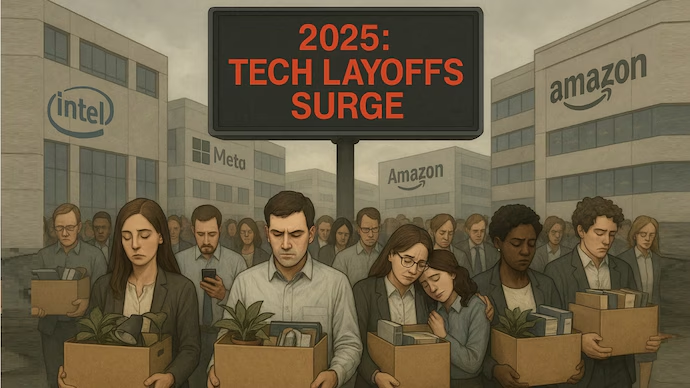
The year Tech Layoffs 2025 has seen one of the largest employment crises in the technology sector. The Big Tech layoffs 2025 have disrupted industries globally, forcing companies to rethink operational models. After years of rapid expansion, corporations are scaling back due to slowing growth and the rise of AI-driven automation.
Tech Layoffs 2025 giants such as Amazon, Intel, Microsoft, and UPS are leading this wave of restructuring. Analysts call it the most extensive corporate downsizing in over a decade, signaling a transformation in how global firms manage talent and innovation.
Amazon’s Record-Breaking Job Cuts
Amazon has launched one of its largest-ever corporate layoffs, eliminating approximately 14,000 employees — with projections reaching 30,000. The move is part of a multi-year restructuring strategy aimed at cutting bureaucracy and accelerating AI-driven efficiency. CEO Andy Jassy emphasized the need to “streamline operations and remove redundant layers” to promote innovation.
The layoffs affect nearly 4% of Amazon’s white-collar workforce, with impacts across global offices. This marks not just a cost-cutting measure but a clear shift in priorities toward automation, logistics optimization, and AI-enhanced decision-making.
UPS, Intel, and Microsoft Join the Wave
UPS, one of the largest logistics firms worldwide, announced it will lay off over 48,000 employees as part of its operational overhaul. The move comes amid automation efforts and reduced reliance on Amazon parcel delivery services. UPS stated that automation upgrades across 35 facilities have rendered certain human roles redundant.

Intel also confirmed layoffs of around 20,000 employees under new CEO Lip Bu Tan’s plan to restructure the company. The US chipmaker is seeking to correct manufacturing delays and boost profitability by focusing on core product innovation and cost discipline.
Microsoft has reduced its workforce by 6,000 employees — roughly 3% of its total staff. The layoffs span engineering, marketing, and subsidiaries like LinkedIn. Even senior executives, including its AI director Gabriela de Queiroz, have been affected, highlighting the broad scope of the cuts.
AI’s Role in the Layoff Landscape
Artificial intelligence has emerged as the central factor influencing corporate restructuring. As generative AI and automation tools become more capable, companies are increasingly offloading tasks to algorithms. This shift, while efficient, has sparked global debates about the future of human employment.

Salesforce CEO Marc Benioff recently revealed that the company reduced its support staff by 4,000. Similarly, education platform Chegg laid off 45% of its workforce, citing the rise of AI learning tools that diminished traffic from search engines and users.

Even Meta joined the list, cutting 600 jobs from its AI division “Meta Superintelligence Labs.” These layoffs reflect a broader move toward centralizing AI efforts and reducing overlapping projects within the company.
Corporate Strategy or Cost-Cutting Panic?
Experts remain divided on the motivations behind these layoffs. Some analysts argue that they represent a proactive realignment toward the AI economy, while others call it a reactionary measure to appease shareholders amid market volatility.
यह भी पढ़े:
 Samsung Bixby Perplexity AI Integration: 7 Key Signs Samsung Is Reinventing Its Voice Assistant
Despite fears of unemployment, this shift could create opportunities for startups and independent developers. Automation may open doors for smaller firms to innovate faster, using AI tools that level the playing field against tech giants.
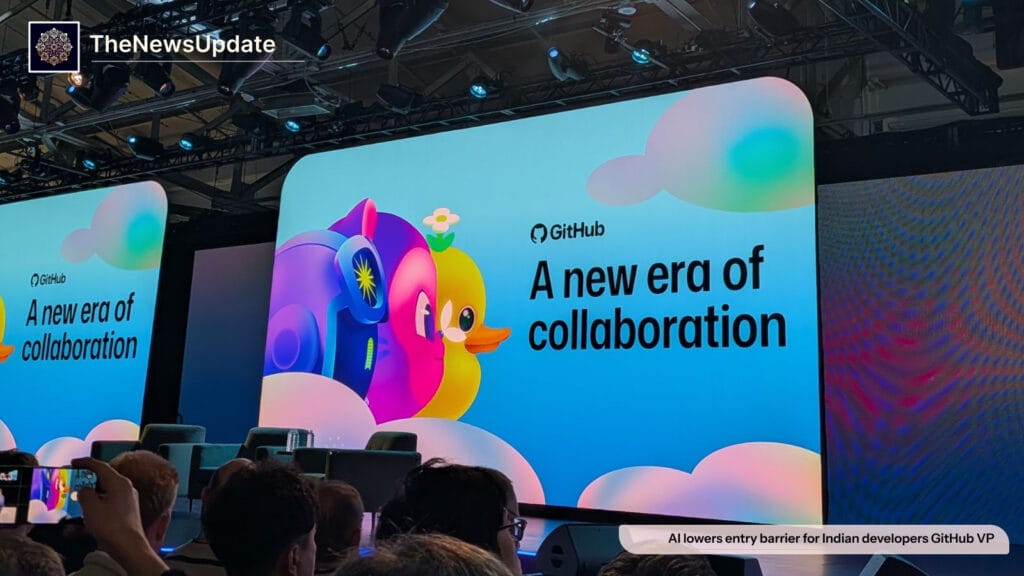
For instance, a recent article highlighted how AI lowers entry barriers for Indian developers , enabling even non-coders to participate in the digital economy through natural language programming tools.
Future Outlook for Big Tech Workforce
The long-term impact of Big Tech layoffs 2025 depends on how companies reinvest in innovation and human capital. While many traditional roles are being automated, new opportunities are emerging in AI ethics, cybersecurity, and data management.

In regions like India, cities such as Bengaluru and Hyderabad could see a surge in AI-driven outsourcing roles, compensating for some global job losses. However, the immediate effects remain harsh: slower hiring rates, wage stagnation, and a tighter job market.
Conclusion: What It Means for Tech Professionals
The 2025 layoff wave is more than an economic event — it is a defining moment for the future of work. Adaptability, continuous learning, and AI fluency are now essential skills. As companies continue to automate, professionals who can collaborate effectively with AI systems will remain indispensable.
These massive job cuts highlight a global transformation in employment patterns, marking the beginning of a new era in the relationship between humans and technology.
यह भी पढ़े:
 New York Times Reporter, Authors Sue Google, OpenAI, Meta Over AI-Based Copyright Infringement
Related Reads
By Tech Desk — Updated October 30, 2025