Table of Contents
- Introduction: Bharat Taxi and the Amul Comparison
- Who Is Behind Bharat Taxi?
- How the Cooperative Model Works
- Driver Benefits and Ownership
- Passenger Advantages
- Challenges and Technology
- Global Cooperative Examples
- The Road Ahead

Introduction: Bharat Taxi and the Amul Comparison
Bharat Taxi is attempting to emulate the success of Amul, India’s dairy cooperative, in the ride-hailing sector. Much like Amul empowers millions of farmers, Bharat Taxi seeks to return power to drivers rather than letting corporate giants like Uber, Ola, and Rapido dominate the market. The service launches nationwide on January 1, 2026, with pilot programs already underway in select cities.
The focus is simple: drivers are owners, not just service providers. By operating under a cooperative model, Bharat Taxi promises to provide sustainable earnings while creating a fair platform for riders and drivers alike.
यह भी पढ़े:
 Osman Hadi Killers Fled to India via Meghalaya Border: Dhaka Police Reveal Shocking Escape Route
Who Is Behind Bharat Taxi?
The platform is managed by Sahakar Taxi Cooperative Limited, based in New Delhi, with significant influence from established cooperative leaders. Jayen Mehta, Managing Director of Amul, serves as chairman, lending credibility to the initiative. The cooperative is supported by the Government of India’s Ministry of Cooperation and integrated with the National e-Governance Division (NeGD).
Although prominent names provide authority and visibility, the true power lies with the drivers, who collectively own and govern the cooperative.
How the Cooperative Model Works
Bharat Taxi operates on a zero-commission model, meaning drivers retain nearly all their earnings. Unlike private ride-hailing platforms where 20–30% of revenue goes to the company, Bharat Taxi keeps overhead minimal. Drivers may contribute a small platform fee to cover operational costs, but the majority of earnings remain in their hands.
यह भी पढ़े:
 Bulldozer Raj Karnataka Demolitions: Congress Govt Faces Backlash After 400 Muslims Left Homeless
The cooperative structure also allows for democratic governance. Elected driver representatives are part of the governing board, ensuring that operational and strategic decisions reflect the drivers’ needs.
Driver Benefits and Ownership
For drivers, the cooperative model offers multiple advantages:
- Higher earnings: Most of their fare remains with them, significantly improving daily income.
- Decision-making power: Elected representatives allow drivers to influence policies and platform operations.
- Reduced exploitation: No aggressive commission structures or unpredictable deductions.
- Long-term sustainability: Drivers retain a stake in the cooperative, building equity in the platform.
Early adoption numbers are promising: reports indicate over 51,000 drivers enrolled within ten days of the announcement.

Passenger Advantages
Passengers benefit as well. Bharat Taxi plans to eliminate surge pricing, meaning fares remain predictable even during peak hours or adverse weather. Regular commuters could see consistent pricing for daily rides. This stability may increase loyalty and attract new users who are tired of unpredictable ride costs from traditional apps.
Additionally, a driver-centric approach can improve service quality, as the drivers themselves have a vested interest in maintaining customer satisfaction.
Challenges and Technology
One of the key challenges is technology. Competing with Uber and Ola requires advanced ride-matching algorithms, GPS accuracy, and real-time traffic optimization. To address this, Bharat Taxi has partnered with Moving Tech Innovations, using the same backend technology as the ONDC-backed Namma Yatri app.

The app is currently in beta, and while initial tests show functionality, refinement is expected closer to the launch date. Real-world conditions will also test how the cooperative handles disputes, accountability, and rider-driver interactions.
Global Cooperative Examples
There are precedents for cooperative ride-hailing:
- Drivers Cooperative, New York: Launched in 2021, this platform remains the largest driver-owned alternative to Uber and Lyft in the U.S., balancing competition with sustainability.
- Goa taxi unions: While not officially cooperatives, local taxi unions in Goa collaborate to regulate fares and services. Lessons from such setups highlight both benefits and potential pitfalls of collective governance.
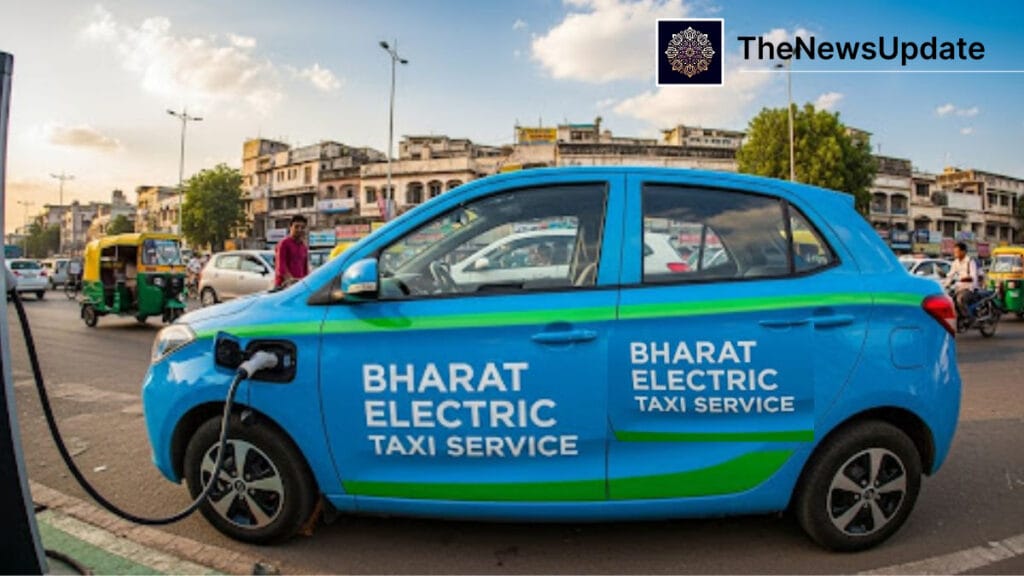
These examples show that cooperative models can work, but success depends on balancing governance, technology, and rider experience.
यह भी पढ़े:
 Canada Hospital Killed Indian-Origin Man: Wife Alleges Medical Negligence After 8-Hour Wait
The Road Ahead
Bharat Taxi’s success will hinge on execution. The cooperative must ensure seamless operations, fair fare distribution, and robust dispute resolution mechanisms. Drivers must feel empowered, passengers must enjoy consistent service, and technology must be competitive.
If executed well, the Amul-style cooperative model could redefine India’s ride-hailing industry, providing a sustainable, driver-centric alternative to corporate giants.
Related Reads
By The Morning News Informer— Updated December 20, 2025