Table of Contents
- Background: Asia Flooding 2025
- Impact Across Indonesia
- Thailand Floods: Record Rainfall and Damage
- Flood Situation in Malaysia
- Sri Lanka Faces Severe Weather Crisis
- Causes and Climate Change Connection
- Ongoing Relief Efforts and Challenges
- Conclusion
Background: Asia Flooding 2025
Monsoon rains intensified by tropical storms have triggered devastating floods and landslides across Southeast Asia, affecting millions and causing at least 600 confirmed deaths. The disasters have impacted Indonesia, Thailand, Malaysia, and Sri Lanka, making this among the region’s worst flooding events in recent years. Torrential rainfall has overwhelmed rivers, inundated villages, and led to large-scale evacuations, leaving hundreds missing and thousands stranded.
The ongoing Asia Flooding 2025 has prompted emergency responses from local governments, international aid agencies, and volunteers, as authorities attempt to rescue stranded residents and provide essential relief to affected populations.

Impact Across Indonesia
Flooding first struck Indonesia’s island of Sumatra on Wednesday, causing catastrophic damage. Cyclone Senyar, an exceptionally rare tropical cyclone, triggered landslides and submerged thousands of homes. Residents recount their harrowing experiences as floodwaters destroyed personal belongings and swept away houses.
“During the flood, everything was gone,” a resident of Bireuen in Aceh province told Reuters. Thousands remain stranded, some on rooftops awaiting rescue, while Indonesia’s disaster agency reports that nearly 300 people are still missing.
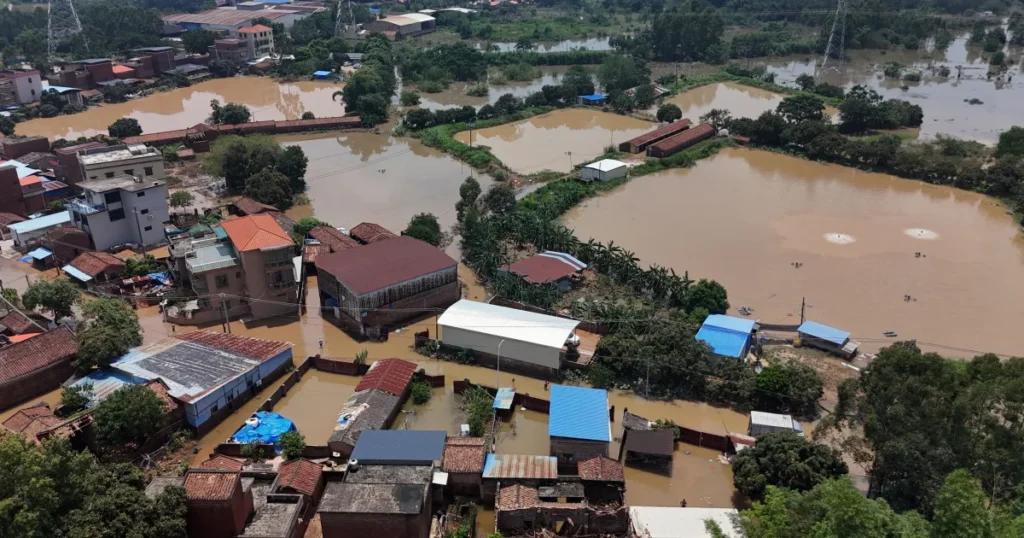
Residents like Meri Osman described being swept away by the current and clinging to a clothesline until rescued. Rescue operations are ongoing, but the heavy rainfall continues to hamper efforts and create dangerous conditions for stranded individuals.

Thailand Floods: Record Rainfall and Damage
Thailand’s southern Songkhla province experienced some of the heaviest rainfall in 300 years, with 335mm falling in a single day. Floodwaters rose up to three meters (10 feet), submerging homes and roads. At least 145 people died in one province alone, and over 3.8 million people have been affected across ten provinces.
In Hat Yai, hospitals were overwhelmed, forcing staff to transfer bodies to refrigerated trucks. Residents like Thanita Khiawhom reported being trapped in water for seven days without assistance. The Thai government has promised relief measures, including financial compensation for families who lost loved ones.

Flood Situation in Malaysia
Malaysia has also suffered severe flooding, particularly in northern Perlis state. Tens of thousands have been forced into temporary shelters, and at least two people have died. Infrastructure damage is extensive, with submerged roads and disrupted electricity and water supplies. Local authorities continue rescue and relief operations to aid displaced communities.

Sri Lanka Faces Severe Weather Crisis
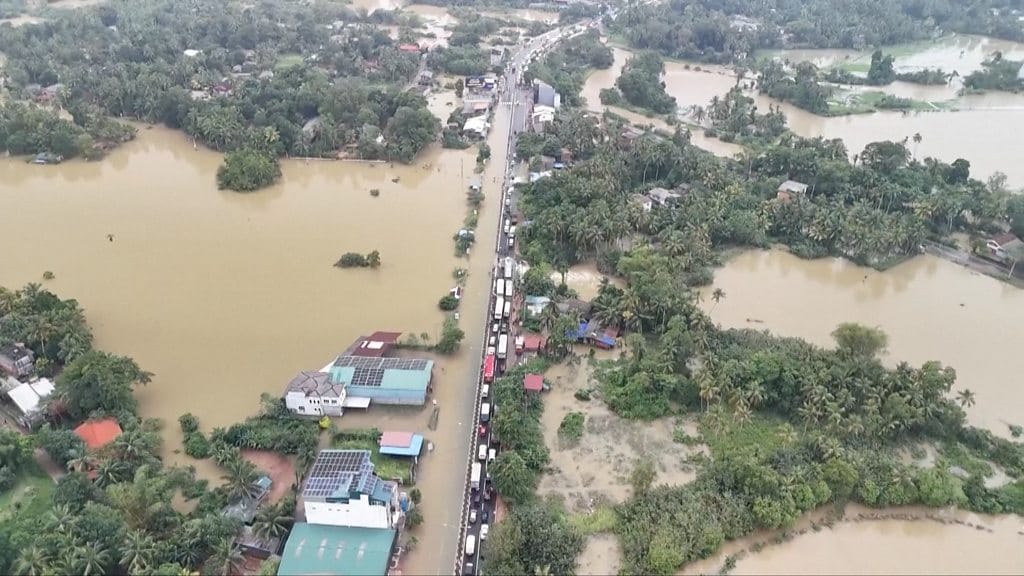
Sri Lanka, recently hit by Cyclone Ditwah, is facing one of its worst weather-related disasters in recent years. Over 15,000 homes have been destroyed, 78,000 people have been relocated to temporary shelters, and about a third of the population is without electricity or running water. The government has declared a state of emergency, and search and rescue operations are ongoing for around 170 people still reported missing.
Causes and Climate Change Connection
Meteorologists suggest that this year’s extreme rainfall results from a rare combination of Typhoon Koto in the Philippines and Cyclone Senyar in the Malacca Strait. Climate change has altered storm patterns, intensifying monsoon rains, flash flooding, and wind speeds. The interaction between tropical cyclones and the monsoon season has amplified the frequency and severity of floods in Southeast Asia.
Ongoing Relief Efforts and Challenges
Search and rescue teams are working around the clock in affected countries, often facing dangerous conditions due to continuous rainfall. Tens of thousands of people have been evacuated in Indonesia, Thailand, and Sri Lanka, while temporary shelters are being set up for displaced populations.

- Indonesia: Nearly 300 people remain missing; thousands evacuated in Sumatra
- Thailand: Over 3.8 million people affected; emergency compensation promised
- Malaysia: Tens of thousands in shelters; infrastructure heavily damaged
- Sri Lanka: 78,000 people in temporary shelters; third of country without utilities
International aid organizations and governments are coordinating to provide food, water, medical supplies, and logistical support. However, continued rainfall and rough terrain are delaying operations, highlighting the immense challenge of disaster response in large-scale flooding.
Conclusion
Asia Flooding 2025 represents a stark reminder of the destructive power of extreme weather events exacerbated by climate change. With hundreds dead, hundreds missing, and millions affected, the region faces a long road to recovery. Governments, aid agencies, and communities are working tirelessly to provide relief, but rebuilding and preventing future disasters will require significant investment, improved infrastructure, and climate-adaptive planning.
Related Reads
By The News Update — Updated 30 November 2025