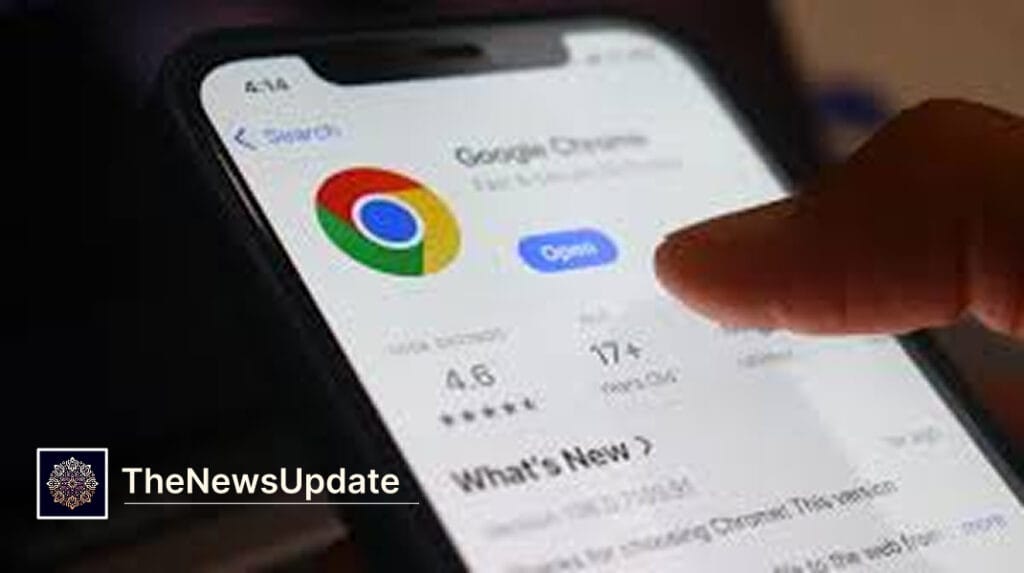
Apple has issued a strong warning to iPhone and Mac users about relying on Google Chrome and the Google app Apple warning Chrome. The tech giant claims that both applications expose users to tracking methods that Safari actively blocks, raising serious privacy concerns. Apple is urging users to consider Safari as the safer alternative for protecting their digital identity and online activities.
Why Apple Is Concerned About Chrome and Google App Apple warning Chrome
Apple’s warning primarily focuses on a tracking method called fingerprinting. This technique collects multiple, seemingly unrelated pieces of information from a user’s device—like operating system version, fonts, screen resolution, installed plugins, and other identifiers—to create a unique profile. Advertisers can then use this profile to follow users across websites without their consent. Unlike cookies, fingerprinting cannot be easily disabled, making it a major concern for privacy-conscious users.
Apple explains that Google recently reversed its decision to limit fingerprinting, allowing advertisers to track users more effectively. The company argues that this makes Google Chrome and the Google app riskier choices for anyone who values online privacy.

“Safari works to prevent advertisers and websites from using the unique combination of characteristics of your device to create a ‘fingerprint’ to track you,” Apple states. By showing a simplified version of the system to trackers, Safari ensures that many devices appear identical, making it extremely difficult for advertisers to identify individual users. Firefox has adopted a similar approach, signaling a broader industry trend toward improved privacy.
Fingerprinting: A Silent Threat to Your Privacy
Fingerprinting is less visible than traditional tracking methods, such as cookies, because it does not require storing information on your device. Instead, it uses characteristics that are always present. This means users have little to no control over it, unlike cookies, which can often be blocked or deleted.
Apple highlights that fingerprinting can be used to track your online behavior across multiple websites, gather sensitive information, and create targeted advertising profiles without your consent. For users who value anonymity, this represents a significant threat. Experts warn that widespread fingerprinting could lead to a situation where even privacy-focused browsers struggle to protect users if proper safeguards are not in place.

How Safari Protects Your Privacy
Safari includes several advanced privacy-focused features designed to keep users safe from tracking and fingerprinting:
- AI-powered tracking prevention: Safari uses machine learning to detect trackers and prevent them from collecting user data.
- Fingerprinting protection: By presenting a generic system profile to trackers, Safari ensures that individual devices cannot be uniquely identified.
- Private browsing tools: Enhanced private browsing modes prevent websites from saving history, cookies, or temporary data.
- Location safeguards: Safari protects users from apps and websites attempting to infer their location without permission.
Apple also emphasizes that Safari works seamlessly with Google services like Docs, Sheets, and Slides, making the switch from Chrome easier for users concerned about privacy without sacrificing productivity.
Why the Google App Is Also Risky
Apple warns that the Google app, commonly promoted through Safari’s default search engine, is an even bigger privacy risk. On mobile devices, Google search pages often display prompts encouraging users to install the Google app, which collects more personally identifiable data than Chrome. Apple advises users to avoid tapping the “Try app” link if they want to maintain control over their privacy.

The Google app not only tracks search queries but can also tie activity to your Google account, creating detailed personal profiles that can be used for targeted advertising. In contrast, Safari keeps your activity more private and limits the ability of third parties to track your behavior across the web.
Global Usage of Chrome and the Challenge of Changing Habits
Despite Apple’s warnings, Google Chrome remains one of the most widely used browsers globally. Many users prioritize convenience, speed, and familiarity over privacy, continuing to use Chrome without considering the implications of tracking. This demonstrates the challenge Apple faces in convincing users to switch browsers, especially when Chrome has become synonymous with online browsing for many people.
Apple’s message is not about restricting choice. Instead, the company aims to ensure that users understand the potential privacy trade-offs when using Google products on iPhone and Mac.
यह भी पढ़े:
 Samsung Bixby Perplexity AI Integration: 7 Key Signs Samsung Is Reinventing Its Voice Assistant
Implications for User Privacy and Digital Security
Tracking and fingerprinting can have far-reaching implications beyond advertising. Digital privacy experts warn that unique device profiles can be misused for cyberattacks, identity theft, or unwanted surveillance. By blocking fingerprinting and other tracking methods, Safari helps users maintain better control over their online identities.
Apple’s push for privacy reflects broader industry trends, where regulators and tech companies are increasingly scrutinizing tracking practices. Initiatives like the European Union’s GDPR and California’s CCPA have put pressure on companies to be more transparent about data collection. Safari’s features align with these privacy standards, giving users added confidence when browsing online.
Practical Tips for Users Concerned About Privacy
Switching to Safari is the first step for users seeking stronger privacy protection. Additional tips include:

- Always enable private browsing mode to prevent websites from saving cookies or browsing history.
- Consider using privacy-focused search engines like DuckDuckGo instead of Google for sensitive queries.
- Regularly update your iPhone or Mac to the latest software versions to benefit from security improvements.
- Be cautious about installing third-party apps that may track user behavior.
- Disable location services for apps that do not require it for functionality.
Apple’s Approach vs Google’s Approach
Apple has positioned privacy as a core part of its ecosystem, often highlighting it as a key selling point for iPhone and Mac devices. Google, meanwhile, relies on advertising revenue and collects vast amounts of user data, making Chrome and the Google app less privacy-friendly. This fundamental difference underpins Apple’s warning and its promotion of Safari as the default, privacy-focused browser.
While Chrome offers convenience and compatibility with various platforms, users must weigh these benefits against potential risks to personal privacy. Safari, in contrast, prioritizes security and privacy while maintaining sufficient functionality for everyday use.
Conclusion
Apple’s warning to iPhone and Mac users about Google Chrome and the Google app underscores the growing importance of digital privacy. Fingerprinting and other tracking methods pose serious threats to online security and personal data protection. By choosing Safari, users can benefit from AI-powered tracking prevention, fingerprinting safeguards, private browsing, and location protection.
यह भी पढ़े:
 New York Times Reporter, Authors Sue Google, OpenAI, Meta Over AI-Based Copyright Infringement
Switching browsers is ultimately a personal decision, but Apple’s message is clear: prioritize privacy and think twice before using Chrome or the Google app on your devices. As tracking methods evolve and data collection becomes more sophisticated, taking control of your online activity is more important than ever.
Whether you value convenience or privacy, understanding the trade-offs is crucial. Safari offers a balance of functionality and protection, while Chrome continues to serve users seeking speed and integration with Google’s ecosystem. In the digital age, informed choices about browser usage are essential for safeguarding your personal information.
For continued updates on India’s fintech and digital finance developments, visit our Tech News section and The News Update.