Meta Description: Shambhavi Chaudhary ink controversy grabbed attention after a viral clip showed the Samastipur MP with indelible ink on both hands following voting in the first phase of Bihar assembly polls. The incident sparked heated online debate — opposition parties accused her of double voting while supporters and election officials pointed to a routine booth error and corrective measures. This explainer examines what the footage shows, what Chaudhary and officials have said, the Election Commission’s indelible-ink rules, how common such mishaps are, and why social media quickly turned a small polling-day slip into a wider political argument. Read on for context, reactions, and what this means for voting integrity ahead of further phases.
Table of Contents
- Background: The Viral Clip
- What Happened at the Booth?
- Election Rules and Official Procedure
- Political Reactions & Social Media
- Why This Became a Story
- Conclusion — What to Watch Next
- Related Reads
Background: The Viral Clip
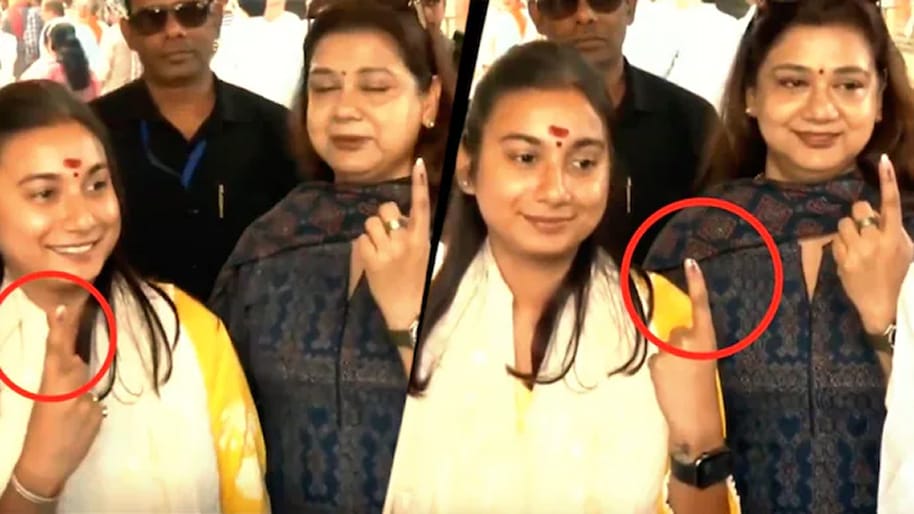
The Shambhavi Chaudhary ink controversy erupted on social platforms after a short video showed the 27-year-old Lok Janshakti Party (Ram Vilas) MP from Samastipur posing for cameras with inked fingers on both hands just after voting in the first phase of the Bihar assembly elections on November 7, 2025. The footage — filmed outside a polling booth where Chaudhary voted with family members — spread quickly and prompted accusations from opposition figures that she had voted twice. The MP, however, described the episode as a “human error” that was corrected at the booth.
यह भी पढ़े:
 Osman Hadi Killers Fled to India via Meghalaya Border: Dhaka Police Reveal Shocking Escape Route
What happened at the booth?
In the clip, Chaudhary first lifts her right hand to show an inked forefinger to reporters, then switches and shows her left index finger which also bears indelible ink. According to Chaudhary, a polling official mistakenly marked her right hand first; when the error was noticed the presiding officer directed staff to apply the ink again correctly on the left index finger, leaving marks on both hands. She recorded a short video explaining this and called it a minor human mistake that should not be blown out of proportion.
Election rules and official procedure
India’s Election Commission prescribes that indelible ink be applied to a voter’s left index finger (nail to first joint) to prevent duplicate voting. Where the mark is absent or incorrectly applied, polling staff are instructed to inspect the finger and, if necessary, reapply the ink properly before the ballot is issued. These guidelines exist precisely to avoid ambiguity — but they also make clear that an initial misapplication followed by a corrective application can leave visible ink on more than one finger or hand without implying multiple votes. Official instructions and circulars on indelible ink application explain the procedure and corrective steps polling personnel must follow.
Political reactions & social media
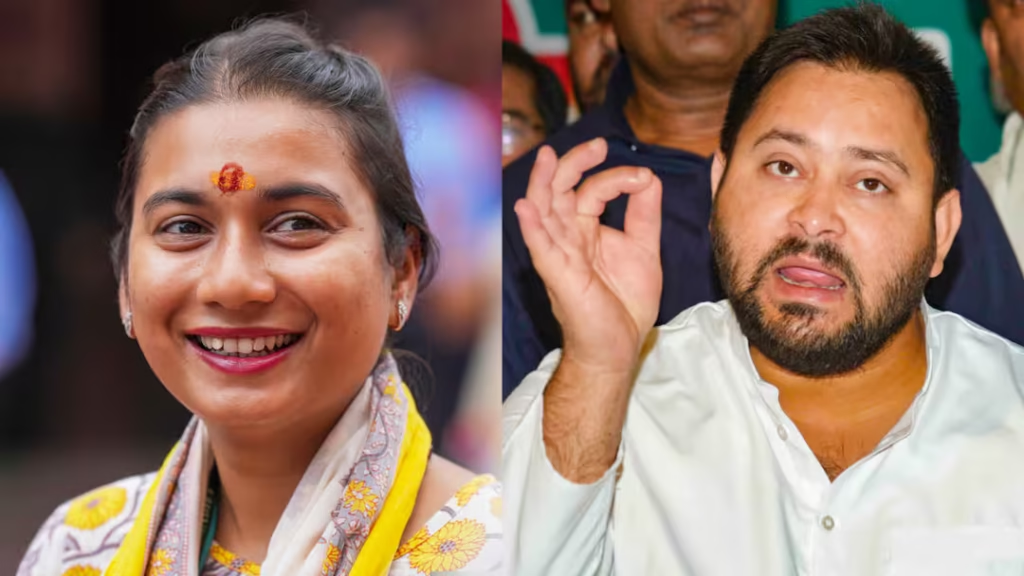
Opposition leaders seized on the visuals. RJD spokesperson Kanchana Yadav posted the clip on X (formerly Twitter), calling it “a new level of fraud” and demanding an investigation, while Congress shared images with sarcastic captions alleging malpractice. Netizens quickly chimed in — some demanding answers, others mocking the clip and the Election Commission. At the same time, many users pushed back, saying such double-inking happens when voters present the wrong hand first or ask staff to mark another finger for photos, and that the presence of ink on both hands alone is not proof of double voting.
यह भी पढ़े:
 Bulldozer Raj Karnataka Demolitions: Congress Govt Faces Backlash After 400 Muslims Left Homeless
Why this became a story
The Shambhavi Chaudhary ink controversy burned through social feeds for a few key reasons:
- Visual simplicity: A short video showing two inked fingers is immediate and easy to interpret, which makes it perfect for rapid sharing.
- High political stakes: Bihar’s elections are closely watched; parties are alert to any incident they can frame as evidence of malpractice.
- Mistrust and narrative framing: Polarised audiences quickly frame small errors as systemic fraud or as harmless mistakes depending on political allegiance.
- Operational reality at booths: In rushed polling conditions, small procedural slips (wrong hand, wrong finger) are relatively common and usually corrected without impact on voting integrity.
Context matters: indelible ink used in Indian elections is designed to be hard to remove and to remain visible for days, which helps prevent duplicate voting but also makes even a brief misapplication visually obvious. The ink’s chemistry and nationwide single-supplier system have been covered widely in the past, underlining why a visible stain becomes a political signal so quickly.
How confident should voters be that the mark doesn’t equal double voting?
Two points help reassure the public. First, polling teams follow a checklist: after identity verification, the presiding officer ensures indelible ink is applied and that the voter is allowed to cast the ballot only once. Second, multiple safeguards exist — electoral rolls with polling-station verification, indelible-ink checks by second polling officers, and the presence of party agents and micro-observers at booths. A misapplied ink mark that is then corrected does not, by itself, bypass these safeguards. Still, public confidence depends on transparency: parties or officials who see ambiguous footage often demand formal explanations to preserve trust.

How common are such inking errors?
Reports and past circulars show that mistakes in ink application — wrong hand, wrong finger, smudging — occur occasionally. The Election Commission has issued guidance to polling staff to reduce such errors, including training and supervision. State election bodies also publish local instructions clarifying re-application procedure when a correct mark is not present. While common enough to be a familiar polling-day anecdote, these errors rarely translate into electoral fraud if polling procedures are otherwise followed.
Responsibility and next steps
In this case, the MP’s explanation and the footage together suggest a procedural misapplication followed by corrective action at the booth — an explanation repeated in several local reports. Opposition parties have called for an inquiry; if formal complaints are filed, the Election Commission or the state Chief Electoral Officer would be the statutory bodies to examine the complaint and determine if any breach occurred. For the public, the most practical next step is to await any official statement from polling officers or the returning officer who oversaw the polling station.
Conclusion — What to watch next
The Shambhavi Chaudhary ink controversy demonstrates how a brief, striking image can fuel wide debate during an already charged electoral moment. Visual evidence is persuasive, but not always conclusive: established ECI procedures allow for correction of ink application errors and include other anti-fraud safeguards at polling stations. Still, political actors will continue to press the issue while media and citizens ask for clarity. If the Election Commission or local returning officer issues a statement, that will be the definitive public record to settle questions about the incident. Until then, the clip remains a contested piece of footage — illustrative of how small operational slips can escalate in the age of viral media.

Related Reads
By India Today Desk — Updated November 7, 2025