Table of Contents
- What happened
- Which systems failed (AMSS & ATS)
- Impact on flights, airlines and passengers
- How authorities responded and restoration
- Practical advice for affected passengers
- Outlook and ripple effects across northern India
What happened
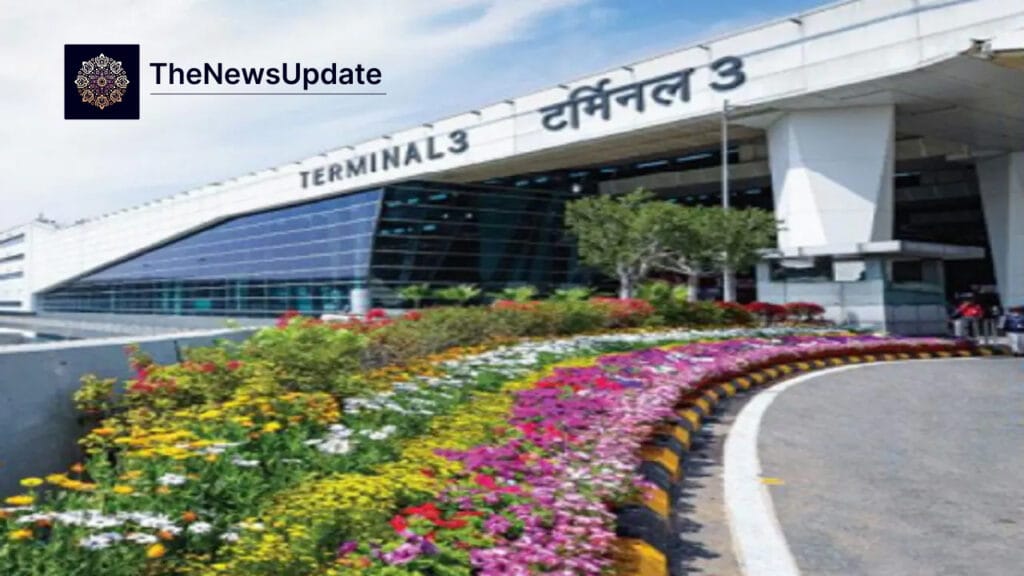
On November 7, 2025,Delhi airport ATC glitch Indira Gandhi International Airport (IGIA) in Delhi experienced a major technical disruption when its Automatic Message Switching System (AMSS) — a core communications component used to feed flight-plan data into air traffic control systems — failed. The outage forced controllers to revert to manual flight-plan processing, significantly slowing departures and arrivals and delaying hundreds of flights across the day. Initial reports put the number of affected flights in the hundreds, with some outlets reporting spikes up to 800 disrupted movements as backlog built up.
Which systems failed (AMSS & ATS)
The AMSS is a messaging backbone that exchanges flight-plan information between airlines, pilots and ATC systems. At IGIA it feeds the Auto Track System (ATS), which automatically generates and processes flight plans for controllers. When AMSS stopped functioning, ATS couldn’t receive machine-readable flight-plan messages — so controllers had to prepare plans manually, enter data by hand, and coordinate movements with extra verification steps. Manual processing dramatically increases the time needed to clear a departure or arrival, creating airspace congestion and cascading delays.
Impact on flights, airlines and passengers
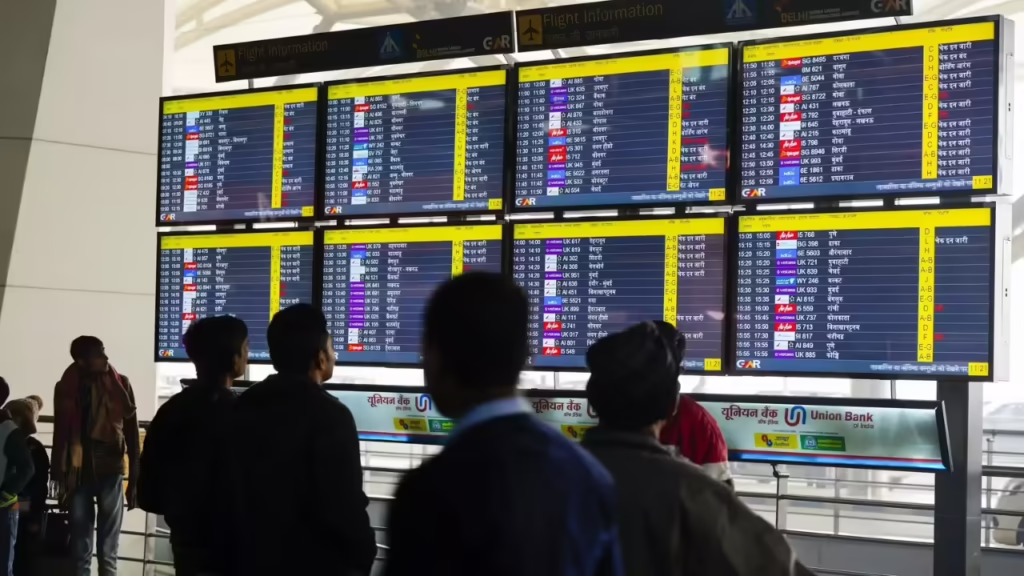
Airlines including IndiGo, Air India, SpiceJet and Akasa issued advisories warning passengers of possible delays and schedule changes. Flight-tracking platforms recorded average departure delays ranging from roughly 45–55 minutes during the peak disruption window, and some flights were held or rescheduled as ground staff worked through the backlog. Passengers reported long queues, extended waiting times inside terminals, and multiple flight rebookings as crew and ground operations adjusted to the manual workflow.
यह भी पढ़े:
 Osman Hadi Killers Fled to India via Meghalaya Border: Dhaka Police Reveal Shocking Escape Route
How authorities responded and restoration
The Airports Authority of India (AAI), IGIA operator teams, and technical partners including ECIL engaged OEM support to diagnose and restore the AMSS. By late Friday evening authorities confirmed the AMSS had been brought back online and automated operations were resuming, though AAI warned that residual backlogs could keep some delays in place for several hours as the system cleared queued flight plans. Officials stressed that safety procedures remained fully in force and that manual processes, though slower, preserved safe operations throughout the outage. :contentReference[oaicite:3]{index=3}
Practical advice for affected passengers
- Check your flight status: Always verify the latest schedule via your airline’s official app, website, or the airport’s advisories before leaving for the airport.
- Expect delays: Even after systems are restored, backlogged flights can take hours to normalize; plan for longer layovers and flexible connections.
- Contact airline support: Airlines are handling rebookings and reimbursements on a case-by-case basis — reach out to customer service for options.
- Prepare at the airport: Arrive earlier than usual, allow time for extra security and customer-service queues, and keep essential items (meds, chargers) in carry-on baggage.
Outlook and ripple effects across northern India
Even short-lived ATC systems outages can cause multi-hour ripple effects through a region’s airspace. Authorities reported knock-on delays at other northern airports — including Mumbai, Lucknow, Jaipur, Chandigarh, and Amritsar — as traffic re-routed and schedules shifted to accommodate the backlog. Investigations into the root cause were underway; some media outlets noted that cybersecurity (malware) is being examined as one possible angle, though officials had not publicly confirmed a cause at the time of reporting. Aviation stakeholders say this incident underscores the critical need for robust redundancy, faster failover procedures, and transparent passenger communications.
By The News Update— Updated November 7, 2025
यह भी पढ़े:
 Bulldozer Raj Karnataka Demolitions: Congress Govt Faces Backlash After 400 Muslims Left Homeless
Related: World News