Table of Contents
- Why this update matters: context and scope
- Feature 1 — Gemini conversational navigation
- Feature 2 — Proactive local tips and planning
- Feature 3 — Ultra-specific Q&A about places
- Feature 4 — Proactive traffic alerts
- Feature 5 — Alerts for accident-prone areas
- Feature 6 — Official speed limits in the UI
- Feature 7 — Real-time road closure data (NHAI)
- Feature 8 — Customizable two-wheeler navatars
- Feature 9 — Voice guidance for flyovers (9 languages)
- Feature 10 — Save tickets to Google Wallet from Maps
- What this means for users, partners and policy
- Practical tips: how to use these features today
- Conclusion: safer, smarter, more conversational maps
Why this update matters: context and scope
Google has pushed a major refresh to Maps specifically tailored for India, bringing the new Google Maps Gemini features in India alongside nine other enhancements aimed at navigation, safety and convenience. The update combines conversational AI, real-time authoritative data from Indian agencies, and rider-centric design choices to address an ecosystem where two-wheelers dominate parts of urban mobility and road conditions vary vastly between cities and highways.
What makes this rollout notable is the mixture of generative AI (Gemini) with official datasets—like the National Highways Authority of India (NHAI) feeds—and localized features such as flyover voice guidance in regional languages and two-wheeler navatars. Together, they reduce friction for drivers, improve situational awareness, and make Maps act less like a static map and more like an intelligent travel companion.

Feature 1 — Gemini conversational navigation
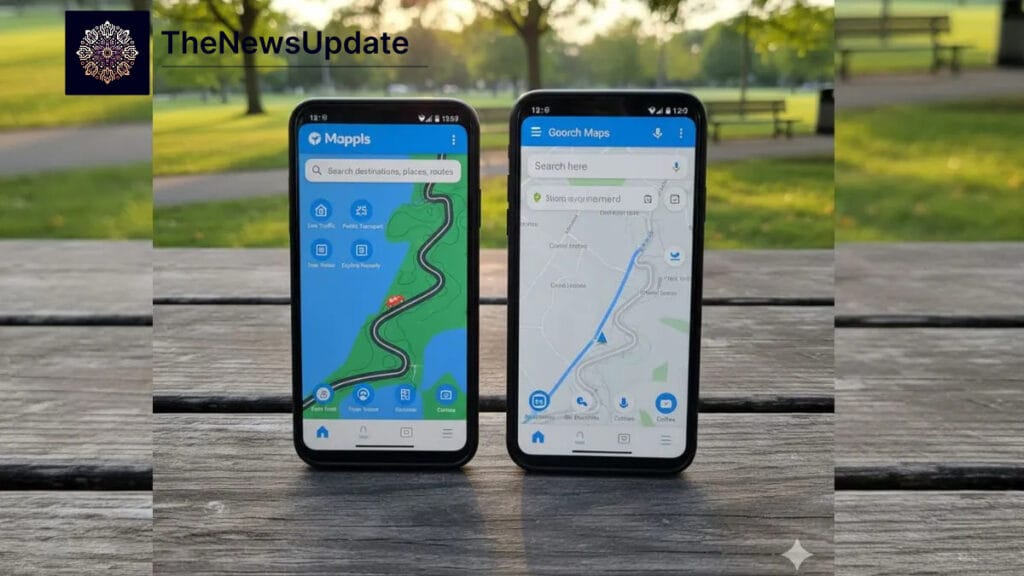
The headline change is integrating Gemini directly into turn-by-turn navigation. Instead of purely following step directions, users can now converse with Gemini while driving: ask “nearest petrol pump,” “add the restaurant to my route,” or even complex multi-step questions such as “find a child-friendly restaurant near the highway with parking and veg options.”
Gemini won’t just search; it reasons across reviews, photos, public web info and Maps’ geospatial data to connect the dots in one response. For India, that means better hands-free suggestions on the fly—helpful in heavy-traffic cities or when planning multi-stop journeys.
Feature 2 — Proactive local tips and planning
Gemini in Maps now proactively surfaces local tips derived from reviews and web content. Planning a weekend outing? Gemini might suggest the best month to visit a hill station, recommend a must-try street food stall that locals rave about, or alert you to seasonal closures—without having to dig through dozens of reviews.

This feature can save time and helps travellers avoid common mistakes, especially in tourist hotspots where conditions change quickly. For businesses, it means accurate presentation of opening hours, amenities and insider tips that matter to customers.
Feature 3 — Ask ultra-specific questions about a location
Do you need to know whether a venue has a baby changing room, covered parking or accepts cards? Now you can ask Gemini inside Maps and get precise answers pulled from reviews, menus and user-submitted photos. This reduces the time wasted sifting through long review threads and gives users direct, context-aware facts.
Feature 4 — Proactive traffic alerts
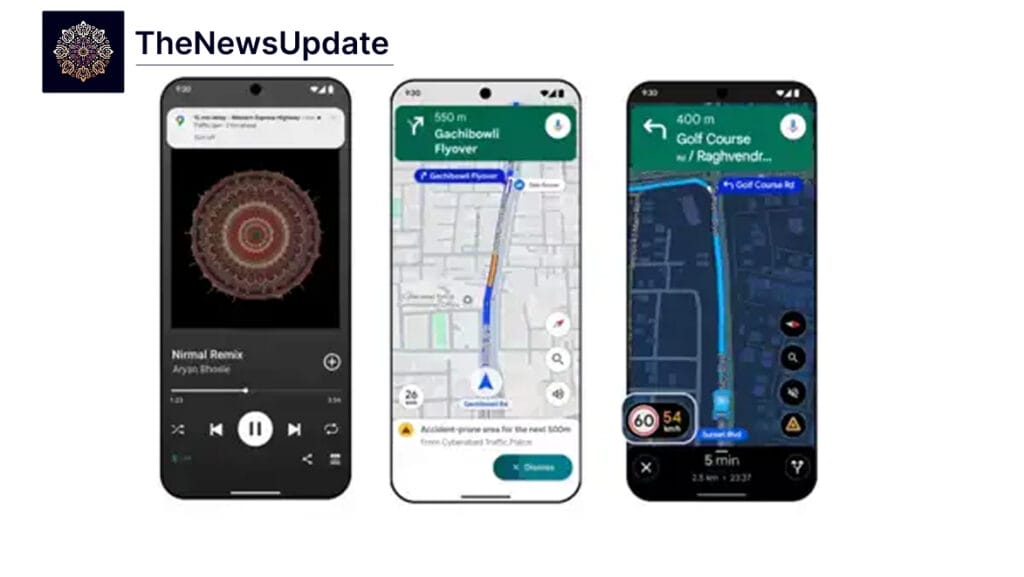
Maps will now notify users about major disruptions on their typical or current route—even when they are not actively navigating. Rolling out first in New Delhi, Mumbai and Bengaluru for major roads and highways, this feature turns Maps into a passive lookout: it pushes alerts about jams or closures so drivers can make route choices proactively.

For commuters, this could reduce time stuck in congestion and support better trip planning. For fleet operators and delivery services, proactive alerts provide a new stream of operational intelligence that can be integrated into routing decisions.
Feature 5 — Alerts for accident-prone areas
Designed in partnership with local authorities, Maps now warns users—visually and via voice—when approaching accident-prone stretches. Initially available in Gurugram, Cyberabad, Chandigarh and Faridabad, the safety module aims to lower speeds and increase driver vigilance in risky zones.
These alerts are India-specific and built by combining historical incident data, local agency inputs and on-the-ground signals. They represent a pragmatic use of Maps for public safety rather than just routing convenience.
यह भी पढ़े:
 Samsung Bixby Perplexity AI Integration: 7 Key Signs Samsung Is Reinventing Its Voice Assistant
Feature 6 — Official speed limits in the UI
Rather than guessing the legal limit, Maps now shows authoritative speed limit information alongside the speedometer for roads in nine cities: Faridabad, Ghaziabad, Gurugram, Hyderabad (incl. Cyberabad), Jaipur, Kolkata, Lucknow, Mumbai and Noida. Google teamed up with local traffic authorities to surface trusted limits.
This clears ambiguity for drivers and supports safer driving behaviours. It also creates a standard UX element that other apps and nav services might emulate in India.
Feature 7 — Real-time road closure data (NHAI)
Google’s partnership with the National Highways Authority of India (NHAI) brings official, real-time information about road closures, repairs and diversions directly into Maps. For long-distance travellers, timely closure updates reduce surprise detours and help in planning fuel and rest stops. Maps will also surface wayside amenities—public restrooms, eateries and petrol pumps—helping users plan stops with confidence.

Feature 8 — Customizable two-wheeler navatars
Recognizing India’s huge two-wheeler user base, Maps now offers customizable navatars (navigation avatars) specifically for bikes. Users can select from eight two-wheeler types and choose from eight vibrant colors to make the icon more relatable. While cosmetic, this personalization improves the rider experience and signals Google’s attention to local user habits.
Feature 9 — Voice guidance for flyovers (9 languages)
To support two-wheeler riders and drivers who can’t look at their screens, Google added clearer voice guidance for upcoming flyovers in nine Indian languages. This hands-free prompt helps users prepare in advance for complex interchanges without visual distraction—particularly valuable in fast-moving urban traffic.
Feature 10 — Save tickets to Google Wallet (Maps integration)
Finally, Maps will let users save booked tickets to Google Wallet and access them from Maps when needed. Initially launching in Delhi, Bangalore, Kochi and Chennai (with Mumbai arriving soon), this fusion of travel and ticketing simplifies multi-modal journeys—train or bus tickets, event passes or parking permits become one tap away while you navigate.
यह भी पढ़े:
 New York Times Reporter, Authors Sue Google, OpenAI, Meta Over AI-Based Copyright Infringement
What this means for users, partners and policy
The blend of Gemini reasoning and official data partnerships sets a new bar for location services in India. Users get contextually richer answers; authorities gain a trusted channel to broadcast safety and closure information; and businesses get better ways to surface practical details. But it also raises questions around data accuracy, privacy and the governance of algorithmic prompts.
- Accuracy & trust: Gemini’s answers rely on many sources—reviews, photos, web content. Google must continue validating sources to avoid surfacing outdated or incorrect tips.
- Privacy: Hands-free conversational features must respect voice data handling and opt-in choices for users.
- Public-private coordination: Partnerships like the NHAI feed are promising, but require ongoing data hygiene and SLA commitments.
Practical tips: how to use these features today
Here are quick, actionable steps to get the most from the new rollout:
- Update Google Maps to the latest version from the Play Store or App Store.
- Enable voice & hands-free permissions to use Gemini conversational navigation safely while driving.
- Turn on proactive alerts in Maps settings to receive traffic and disruption notifications for your city.
- Opt into language preferences to get flyover guidance in a comfortable regional language.
- Link Google Wallet and save confirmed tickets to access them from Maps during trips.
For businesses and local guides, verify venue details (hours, parking, menu) on Maps and respond to user feedback to ensure Gemini surfaces accurate tips about your place.

Conclusion: safer, smarter, more conversational maps
The arrival of Google Maps Gemini features in India and the set of ten India-focused updates mark a shift from static maps to proactive, conversational, and safety-aware navigation. By combining AI reasoning with authoritative local data, Google aims to reduce friction across the journey lifecycle—from planning to routing to arrival. Implementation and trust will determine real impact, but the roadmap is clear: navigation is now as much about information and context as it is about directions.
As these features roll out across cities, users should expect more natural interactions with Maps, smarter route choices, and better safety nudges—transforming everyday commutes and long drives into more informed and less stressful experiences.
Related Reads
By The News Update — Updated November 6, 2025