Table of Contents
- Bihar Election 2025: Phase 1 at a glance
- Key constituencies and high-profile contests
- Candidates to watch: Lalu’s sons, deputy CMs and bahubalis
- Politics, promises and the women voter factor
- The SIR controversy: deletions, allegations and legal fallout
- What this phase means for the wider Bihar Election 2025 outcome
- Conclusion: immediate implications and what’s next
Bihar Election 2025: Phase 1 at a glance
The Bihar Election 2025 entered a crucial phase as voters in 121 assembly constituencies across 18 districts went to the polls in the first round of voting. These seats—many of them south of the Ganga and inclusive of key urban pockets—have frequently set the political direction for the entire state. In 2020 the Mahagathbandhan performed strongly in this cluster, and parties on both sides treated Phase 1 as a barometer for momentum in the run-up to the remaining phases and the final tally.
Key constituencies and high-profile contests
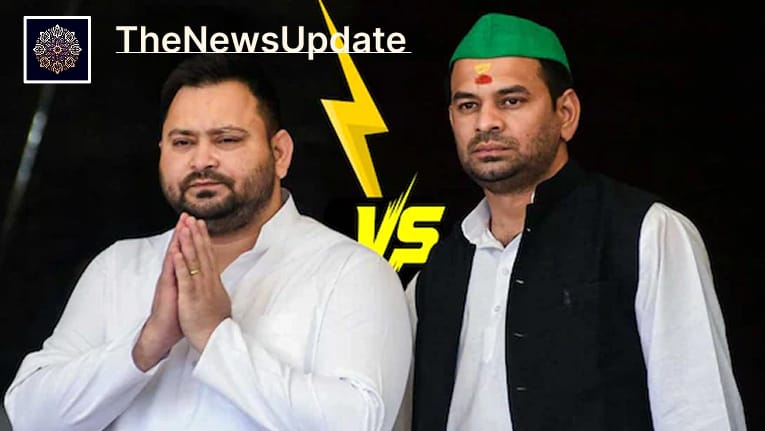
Phase 1 features contests that combine celebrity candidates, family rivalries and traditional strongmen politics. Raghopur is the headline battle where Tejashwi Yadav seeks a hat-trick while facing BJP/JD(U) opponents; Mahua sees Tej Pratap in a tense fight; Tarapur has a comeback bid from Deputy Chief Minister Samrat Choudhary; and Siwan introduces health minister Mangal Pandey to the electoral fray. These seats are more than local fights—their outcomes will be used by parties to craft narratives about momentum and voter shifts after the first vote count.
यह भी पढ़े:
 Osman Hadi Killers Fled to India via Meghalaya Border: Dhaka Police Reveal Shocking Escape Route
Candidates to watch: Lalu’s sons, deputy CMs and bahubalis
The human story in the Bihar Election 2025 Phase 1 is vivid. Tejashwi Yadav remains the marquee opposition leader; his estranged brother Tej Pratap contests Mahua—adding a family feud subplot. The contest also includes cultural figures like folk singer Maithili Thakur (BJP candidate from Alinagar), Bhojpuri stars such as Khesari Lal Yadav (RJD), and rising politicians from the Jan Suraaj Party led by poll strategist-turned-politician Prashant Kishor.
Meanwhile, the NDA’s ticket list fields sitting ministers and strongmen: Deputy Chief Ministers Samrat Choudhary and Vijay Kumar Sinha are defending political ground, while bahubali figures—candidates with criminal-politico backgrounds or strong local muscle—remain a fixture in several constituencies (for example, Anant Singh and the son of Mohammad Shahabuddin). These names underline how personality, caste, and local influence continue to shape Bihar’s contests.
Politics, promises and the women voter factor
Both alliances pitched competing welfare offers to win the women’s vote—now a decisive bloc in Bihar. The NDA revived cash-transfer pledges that appealed to existing beneficiaries, while the Mahagathbandhan highlighted Tejashwi’s promise under ‘Mai Bahin Maan Yojana’ that offered ₹30,000 to households. Parties argued aggressively on issues such as unemployment and law-and-order; the RJD and Congress framed the narrative around alleged governance failures, while NDA campaigned on stability and counter-accusations of “jungle raj.”
यह भी पढ़े:
 Bulldozer Raj Karnataka Demolitions: Congress Govt Faces Backlash After 400 Muslims Left Homeless
With Phase 1 covering urban and peri-urban constituencies, turnout patterns among women, first-time voters, and migrants were flagged as pulse-readers for how the rest of the Bihar Election 2025 might unfold. Local promises, candidate familiarity and hyper-local ground campaigns often tipped seats—factors parties watched closely on polling day.
The SIR controversy: deletions, allegations and legal fallout
One shadow over the Bihar Election 2025 was the Special Intensive Revision (SIR) of electoral rolls carried out before the polls. The SIR process led to the identification of roughly 60–65 lakh electors for potential deletion in early drafts, according to official updates and subsequent reporting. Critics and opposition parties argued that the revision disproportionately affected marginalised groups, women and migrant workers, accusing authorities of a de facto disenfranchisement campaign. Supporters of the exercise said it was a legitimate roll-cleaning aimed at removing duplicates and non-resident names.
Legal scrutiny followed: courts and civil society demanded transparency in deletion criteria, and election officials published draft removal lists after judicial directions. The SIR dispute moved rapidly from administrative boxes to the political center stage, becoming a core talking point during Phase 1 campaigning and shaping turnout anxieties among affected voters. The political fallout plays directly into the campaign narratives of both the Mahagathbandhan and the NDA leading up to the counting.

What this phase means for the wider Bihar Election 2025 outcome
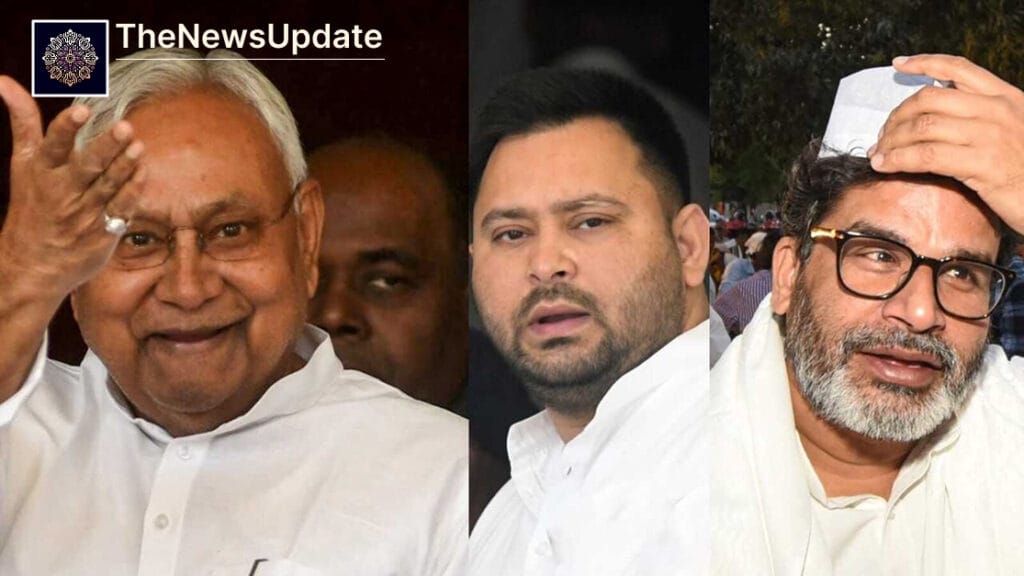
Phase 1 is more than a set of constituencies—it’s a statement about which coalition can mobilize urban voters, neutralize high-profile opponents, and manage perceptions around the SIR controversy. If Tejashwi and the Mahagathbandhan secure a strong showing in these 121 seats—many of which they held in 2020—the narrative of a resurgent opposition gains credibility. Conversely, a stable NDA performance, achieved by retaining ministerial seats and flipping key swing constituencies, would signal continued voter faith in the incumbent alliance’s governance pitch.
Prashant Kishor’s Jan Suraaj Party adds another strategic variable. Even if it does not win large numbers, a focused vote-split in select constituencies could affect margins and outcomes, creating localized surprises that matter in a close overall contest. For national observers, Phase 1 acts as an early barometer of the INDIA bloc vs NDA contest dynamics ahead of future assembly and national-level battles.
Conclusion: immediate implications and what’s next
The Bihar Election 2025 Phase 1 has combined traditional Bihar politics—family rivalries, bahubali power—and modern electoral flashpoints like roll revision and welfare promises. Parties will analyze turnout patterns, demographic shifts and the impact of the SIR-driven controversy to refine strategies for the next phase. For voters, the immediate priority is clarity and access: ensuring that eligible electors who fear deletion have clear recourse is essential to avoiding disenfranchisement in the remaining phases.
Counting and the final verdict still lie ahead, but Phase 1 has already underscored how deeply local issues, candidate selection and administrative processes like SIR can shape a statewide election narrative. Political watchers will now parse micro-level data, constituency returns and turnout gaps to predict how the Bihar Election 2025 will shape the balance of power in Patna and beyond.
Related Reads
By The News Update Desk — Updated November 6, 2025