Table of Contents
- What Democrats Are Asking
- Recent Palace Action That Changed the Politics
- What Evidence Has Emerged — Emails and Court Documents
- Can U.S. Congress Subpoena Andrew? Legal & Practical Hurdles
- Why Victims and Advocates Want Answers
- Diplomatic Sensitivities and What the UK Could Do
- Possible Paths Forward
- Conclusion: Accountability, Jurisdiction and Public Interest
What Democrats Are Asking
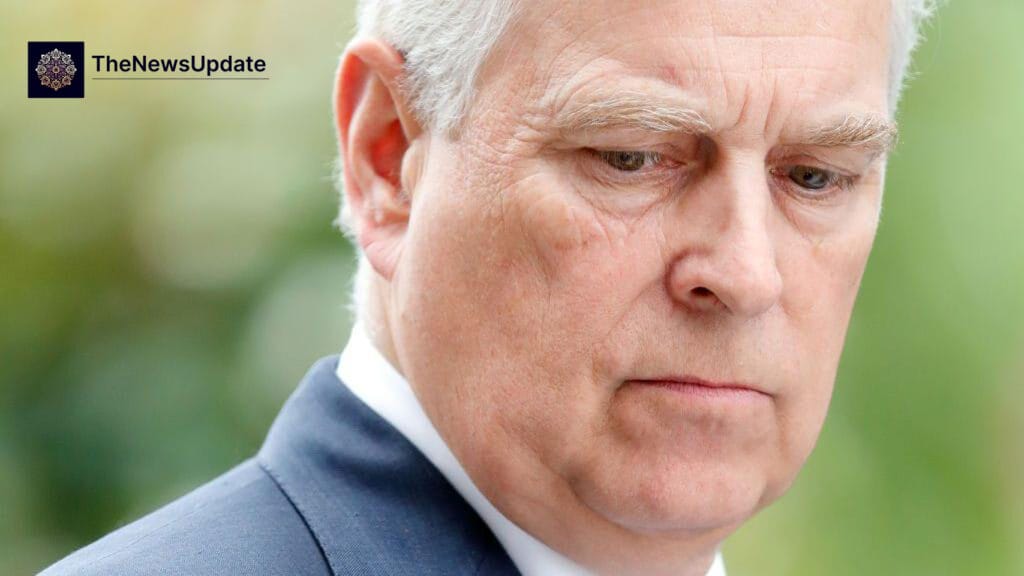
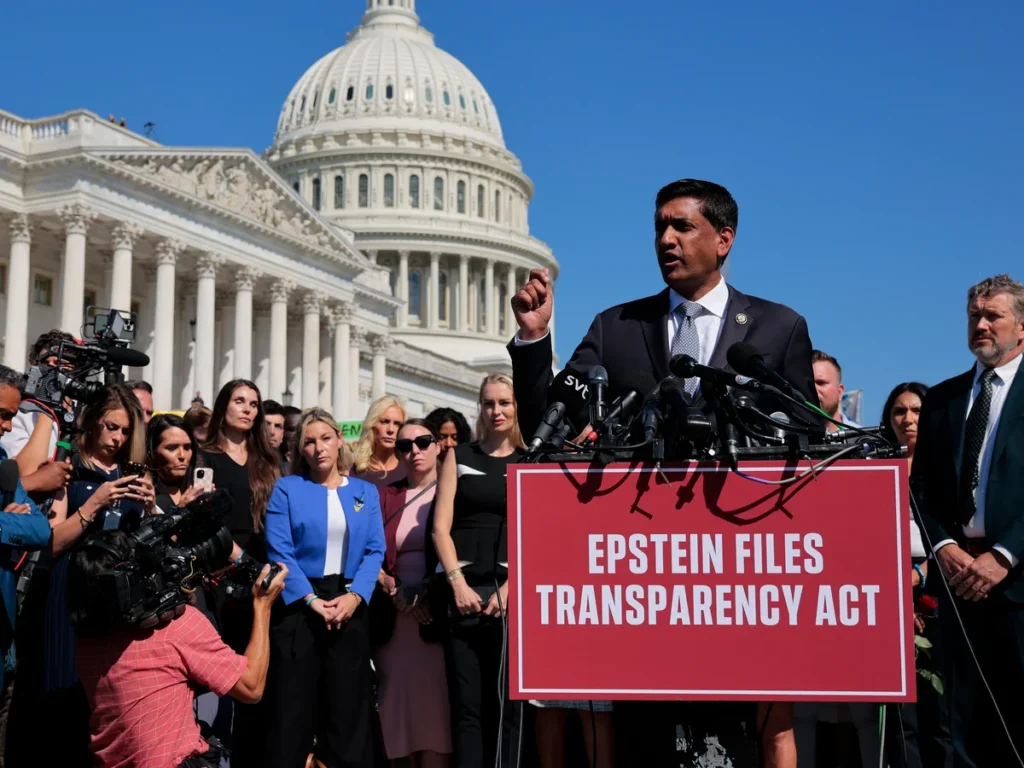
Several Democratic members of the U.S. House Oversight Committee have publicly urged Andrew Mountbatten Windsor to come forward and answer questions about his relationship with Jeffrey Epstein.Andrew should answer Epstein questions in US They say a voluntary appearance — remote or in-person — would assist their ongoing probe into Epstein and help provide much-needed answers for survivors. Representative Suhas Subramanyam told the BBC that Andrew “should come forward” and could testify privately with counsel present, while other Democrats have said they would consider subpoenas if he were present in the U.S. and the panel had the votes.
The calls intensified after the King stripped Andrew of his princely title; Democrats argue that without those royal protections, Andrew should subject himself to the same oversight any other individual would face. Committee members say Andrew’s name appears in victim testimony and document sets the panel has reviewed, which strengthens their view that his testimony could be materially useful to the investigation.
यह भी पढ़े:
 Royal Yacht Britannia Visit to Ireland: ‘Superiority’ Concerns Revealed in Newly Released Files
Recent Palace Action That Changed the Politics
On Thursday, King Charles announced that his brother would be stripped of the title “Prince” and certain honours — a dramatic, if not unprecedented, step that followed public outcry and newly surfaced documents relating to Andrew’s dealings with Epstein. The Palace framed the move as an act of solidarity with victims and survivors of abuse. The action has altered the political dynamics: lawmakers in the U.S. now publicly say Andrew’s diminished royal status removes some political barriers to him voluntarily engaging with investigators.
That decision also prompted renewed public scrutiny in the U.K., with critics and victims’ advocates calling for full transparency. UK ministers, including the trade minister, publicly said Andrew should answer questions in the U.S. if invited — language that has added diplomatic weight to the congressional pleas.
What Evidence Has Emerged — Emails and Court Documents
New court filings and released emails have driven much of the recent attention. Documents published in the U.S. reportedly include emails showing Andrew contacting Epstein in 2010 — months after Epstein was released from prison — and photographs placing them together in New York later that year. Those records reprise questions about the timeline of Andrew’s association with Epstein and what, if anything, he knew about Epstein’s conduct. Reporters and lawmakers note that victim statements also reference Andrew by name, which is part of why his testimony is seen as potentially relevant to the committee’s inquiry . Andrew should answer Epstein questions in US.

Survivors and attorneys have pointed to these documents as reason to press for Andrew’s cooperation. The publication of material in recent weeks — including a posthumous memoir from a prominent accuser — has amplified calls from both elected officials and advocacy groups for fuller accountability.
Can U.S. Congress Subpoena Andrew? Legal & Practical Hurdles
Technically, the U.S. Congress can subpoena witnesses to appear before its committees, but enforcing a subpoena against a non-U.S. citizen located abroad presents significant practical and legal obstacles. If Andrew were physically present in the United States, a subpoena would be straightforward to serve and enforce. But while he remains in the U.K., compelling his attendance would require complex cross-border legal cooperation and could prompt diplomatic friction. Lawmakers have acknowledged these constraints. Several Democrats have said that a voluntary appearance would be preferable, while one member said he would be willing to pursue a subpoena if circumstances made that feasible.
Beyond jurisdiction, there are immunity and privilege considerations. While Andrew is no longer a working royal, questions remain about whether any residual legal protections, or the logistics of serving and enforcing a congressional subpoena internationally, would block or delay efforts. In practice, Congress often relies on voluntary cooperation or the threat of political consequences rather than cross-border enforcement for foreign-based witnesses.

Why Victims and Advocates Want Answers
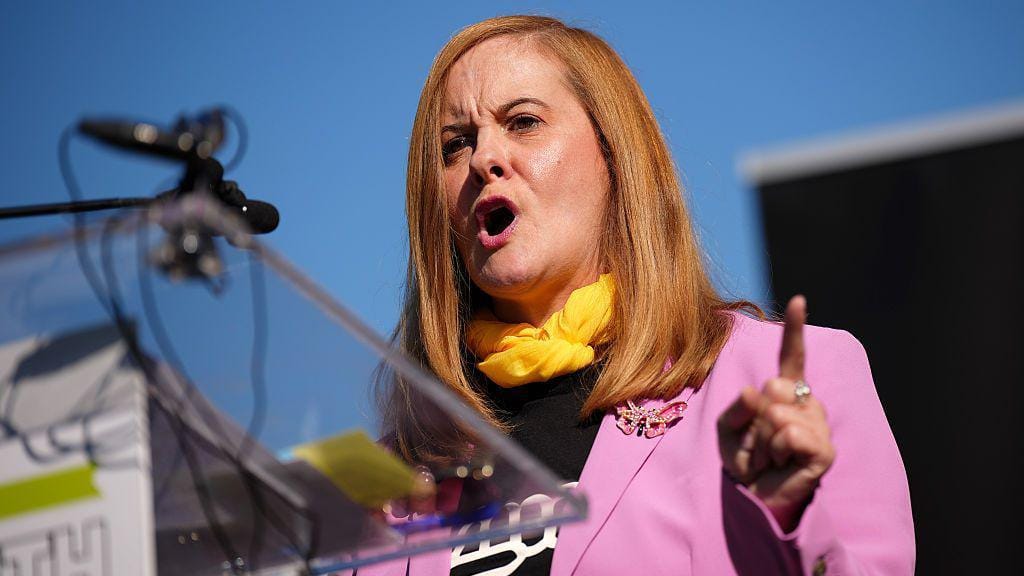
Survivors of Epstein’s network, and advocates who represent them, say Andrew’s testimony could clarify timelines, contacts, and events that are central to understanding how the trafficking network operated. Several accusers have publicly said they believe Andrew should answer Epstein questions in US may possess relevant information. For them, a public or private congressional session is not only about establishing facts, but about recognition and an official forum where their concerns are heard. Liz Stein, one of Epstein’s accusers, told BBC Breakfast that Andrew should “take initiative” and help U.S. investigators, asking, “If he has nothing to hide, why is he hiding?”
Advocates also argue that public testimony can spur further investigative leads, encourage whistleblowers to step forward, and potentially close gaps left by earlier prosecutions. The House Oversight Committee’s investigation has already produced extensive document releases — the committee says witness testimony could fill in crucial contextual details.
Diplomatic Sensitivities and What the UK Could Do
Asking a former member of the British royal family to appear before a Andrew should answer Epstein questions in US committee is inherently diplomatic. UK ministers have been cautious but have signalled that no one is above scrutiny; Trade Minister Chris Bryant publicly suggested Andrew should go to the U.S. if invited. Yet any formal demand from a U.S. committee risks being framed in the U.K. as interference, especially given the UK’s own law enforcement processes and the sovereign sensitivities surrounding the monarchy.

UK authorities could, in theory, facilitate cooperation by allowing travel and offering logistical support for a voluntary trip. Alternatively, British investigators could take statements under their own procedures and coordinate with U.S. counterparts — a route that might sidestep the thornier issue of congressional subpoenas but still provide material to the Andrew should answer Epstein questions in US . inquiry. How the Palace and British government respond will shape the practical options available to the Oversight Committee.
Possible Paths Forward
There are several realistic scenarios lawmakers and advocates are considering:
- Voluntary testimony in the U.S. — Andrew travels to the U.S. and speaks to the committee, either publicly or privately with counsel. This is the cleanest option procedurally and would avoid enforcement battles. Several Democrats have urged this route.
- Remote testimony — Andrew appears via video link. Some committee members have suggested a private remote session with legal representation as a compromise that respects logistics and legal counsel.
- UK-based statements coordinated with U.S. investigators — British authorities take a formal statement and share it with the committee, which could reduce diplomatic tension.
- Subpoena and enforcement — If Andrew were in the U.S., the committee could subpoena him; enforcing a subpoena abroad would be much harder and could produce limited returns. Several members have said they would consider this if possible.
Conclusion: Accountability, Jurisdiction and Public Interest
The chorus of Democratic voices urging that “Andrew should answer Epstein questions in US” reflects a broader demand for accountability and transparency in the wake of new documents and mounting public pressure. While legal and diplomatic hurdles complicate any attempt to compel testimony, the political and moral force behind the request is clear: survivors, lawmakers and parts of the public seek answers Andrew should answer Epstein questions in US.

Ultimately, the most straightforward path to clarity would be voluntary cooperation — whether through travel, remote testimony, or coordinated statements shared with investigators. If Andrew were willing to answer questions, it could provide crucial context to the committee’s findings and address lingering questions raised by recent emails and court filings. If he declines, lawmakers will face a tougher path that could test the limits of congressional authority and international cooperation.
Related Reads
By The News Update — Updated November 1, 2025