Table of Contents
- Background: The Rise of Jemimah Rodrigues
- The Historic World Cup Semi-final vs Australia
- Reactions, Mental Health, and Redemption
- The Year of Jemimah: 2025 and Beyond
- Conclusion: The Girl Who Dared to Dream
Background: The Rise of Jemimah Rodrigues
Jemimah Rodrigues has long been one of the most charismatic and multifaceted players in Indian cricket. Known for her cheerful persona, guitar tunes, and social media reels, she has often been a fan favourite. Yet, those same traits once made her an easy target for online critics who claimed she cared more about her “brand” than her batting.
But beneath the laughter and music was a fierce competitor. From her early domestic cricket days in Mumbai to breaking into India’s senior squad at 17, Jemimah’s journey has always been about passion and perseverance. She was never just another face in the team — she represented a new generation of women cricketers unafraid to be authentic both on and off the field.
In the years following India’s 2017 World Cup heartbreak, Jemimah emerged as part of a fresh wave alongside Smriti Mandhana and Harmanpreet Kaur. Together, they transformed Indian women’s cricket into a movement — a symbol of modern India’s evolving spirit, blending grace with grit.
The Historic World Cup Semi-final vs Australia
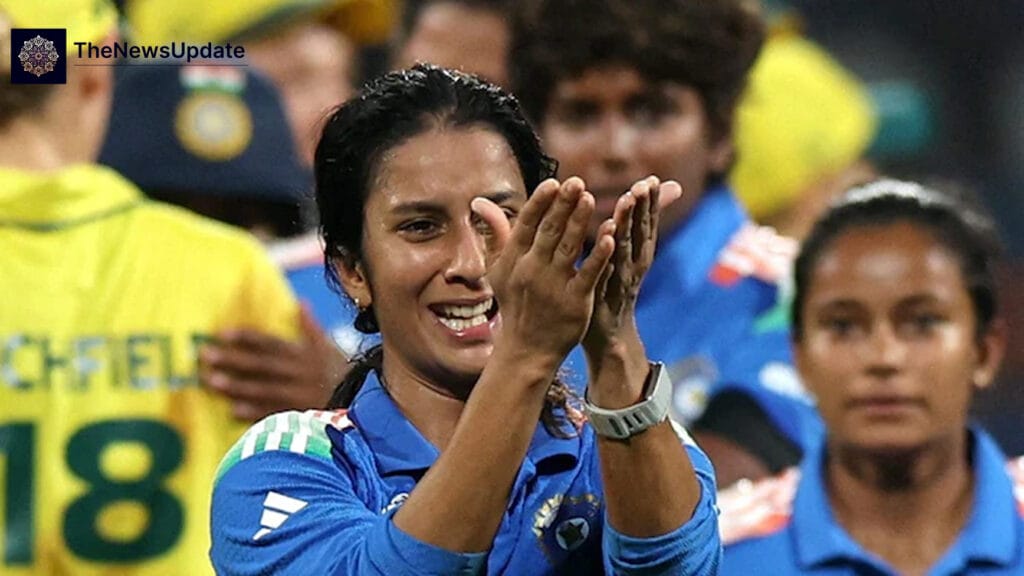
On a dramatic evening at the DY Patil Stadium in Navi Mumbai, Jemimah Rodrigues turned the Women’s World Cup semi-final into her personal symphony. Facing seven-time champions Australia, India were tasked with chasing 339 — a record-breaking target in women’s ODI history. It was a stage set for legends, and Jemimah rose to the occasion like never before.
Under immense pressure, Rodrigues played with rare serenity. Every stroke off her bat seemed to carry a message to her critics — that confidence and joy could coexist with discipline and determination. Her unbeaten 127 not only powered India to victory but also secured their place in their third-ever World Cup final.
The innings was a masterclass in controlled aggression. Jemimah didn’t just score runs — she narrated a story. With her delicate cuts, graceful drives, and bold lofted shots, she reminded the world that femininity and ferocity were not opposites but allies. Every boundary was a rebuttal to trolls who once mocked her with the line: “Run banana, wo kya hota hain. Mera cringe reel dekh aur gaana sun.”
The irony was sweet. Those same words now echo in celebration of the woman who turned mockery into motivation. Rodrigues’ innings wasn’t just a performance — it was poetic justice.
Reactions, Mental Health, and Redemption
When the final run was scored, Jemimah dropped to her knees, tears streaming down her face. It was not just relief; it was release. For years, she had carried the weight of expectations — of being perfect, cheerful, unbreakable. Yet behind the smiles and the music were silent battles with anxiety and self-doubt.
In her post-match interview, Jemimah opened up about her mental health struggles: “I’ve cried almost every day on this tour. I wasn’t doing well mentally, struggling with anxiety. But I knew I had to show up — and God took care of everything.” She revealed how she found strength in faith, often repeating the verse: “Stand still and God will fight for you.”
Her words resonated deeply across social media, inspiring countless young athletes who quietly face their own battles. Mental health in sports — especially women’s sports — remains an under-discussed topic, and Jemimah’s courage in addressing it has made her a beacon of hope.
Her teammates, including Smriti Mandhana and Harmanpreet Kaur, hailed her performance as one of the greatest in Indian cricket history. Even opponents like Ellyse Perry lauded her composure, calling her innings “a masterclass in calm under fire.”
This moment was not just a personal triumph — it was a cultural one. In a society that often dictates how women should behave, Jemimah’s unapologetic authenticity broke stereotypes. She reminded India that joy is not frivolous, that strength can smile, and that vulnerability can inspire.
The Year of Jemimah: 2025 and Beyond
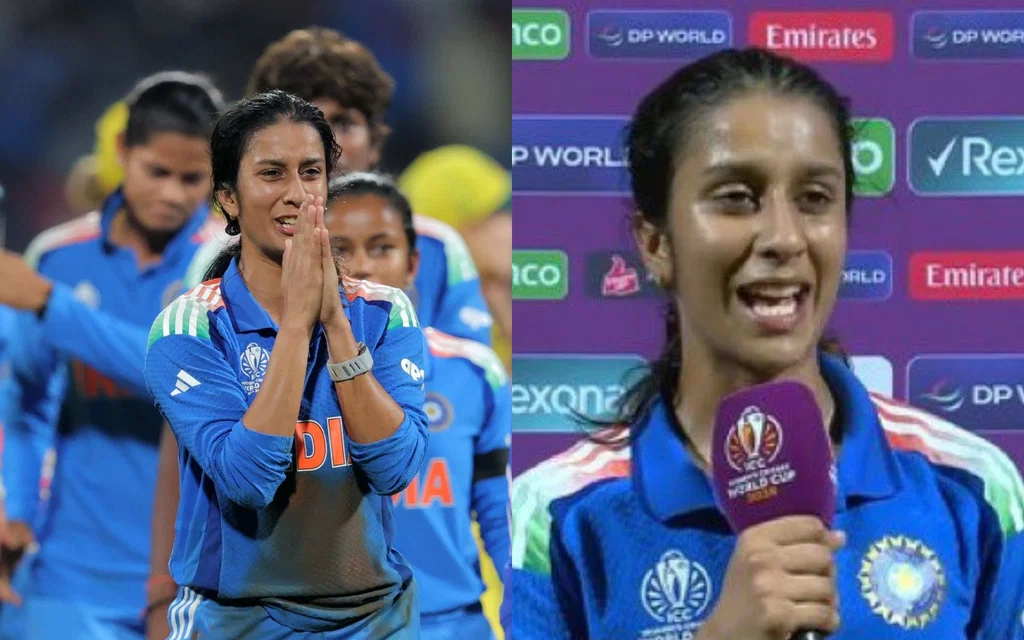
The year 2025 will forever be remembered as the year Jemimah Rodrigues truly arrived. After facing criticism for inconsistent form, she turned her narrative around with unmatched resilience. All three of her ODI centuries came this year — a testament to her evolving maturity as a cricketer.
Her latest masterpiece against Australia stands alongside Harmanpreet Kaur’s 171* at the 2017 World Cup as one of India’s greatest innings. But while Harman’s knock was explosive, Jemimah’s was introspective — a blend of timing, temperament, and tranquility.
Coach Ramesh Powar called it “a defining moment for women’s cricket,” while commentators noted how her innings symbolized a generational shift — from playing in the shadows to owning the spotlight.
Rodrigues’ evolution also mirrors India’s broader sporting transformation. With increased visibility, sponsorship, and fan engagement, the Women’s World Cup 2025 has been the most-watched in history. And at its center stands Jemimah — the girl once mocked for her reels, now rewriting record books.
Conclusion: The Girl Who Dared to Dream
Jemimah Rodrigues’ World Cup century vs Australia is more than a sporting milestone — it’s a metaphor for resilience. From trolling to triumph, from anxiety to achievement, her story embodies the spirit of modern Indian women: bold, creative, and unbreakable.
As India head into the World Cup final, the nation believes again. Not just in victory, but in the power of grace under fire. Whether she’s holding a bat, a guitar, or a camera, Jemimah continues to show that passion needs no apology.
She is not just the face of Indian women’s cricket — she’s its heartbeat. And with every run she scores, she tells every young girl watching that she, too, can dream, dance, and dominate.