Table of Contents
- Background: Bulldozer Raj Karnataka Demolitions Explained
- What Happened in Bengaluru’s Kogilu Village
- Human Impact: Families Left in the Cold
- Political Fallout and Kerala Left’s Sharp Criticism
- Congress Government’s Defence and DK Shivakumar’s Response
- Legal, Constitutional, and Human Rights Concerns
- What Comes Next
Background: Bulldozer Raj Karnataka Demolitions Explained
The phrase bulldozer raj Karnataka demolitions has rapidly entered India’s political vocabulary following a controversial eviction drive in Bengaluru that left hundreds of families without shelter. Critics argue that a practice once associated mainly with northern states is now being replicated elsewhere, raising alarms about due process and constitutional safeguards.
The incident has sparked protests, political confrontation, and national debate on minority rights, governance, and the human cost of urban development carried out through coercive means.
यह भी पढ़े:
 Osman Hadi Killers Fled to India via Meghalaya Border: Dhaka Police Reveal Shocking Escape Route
What Happened in Bengaluru’s Kogilu Village
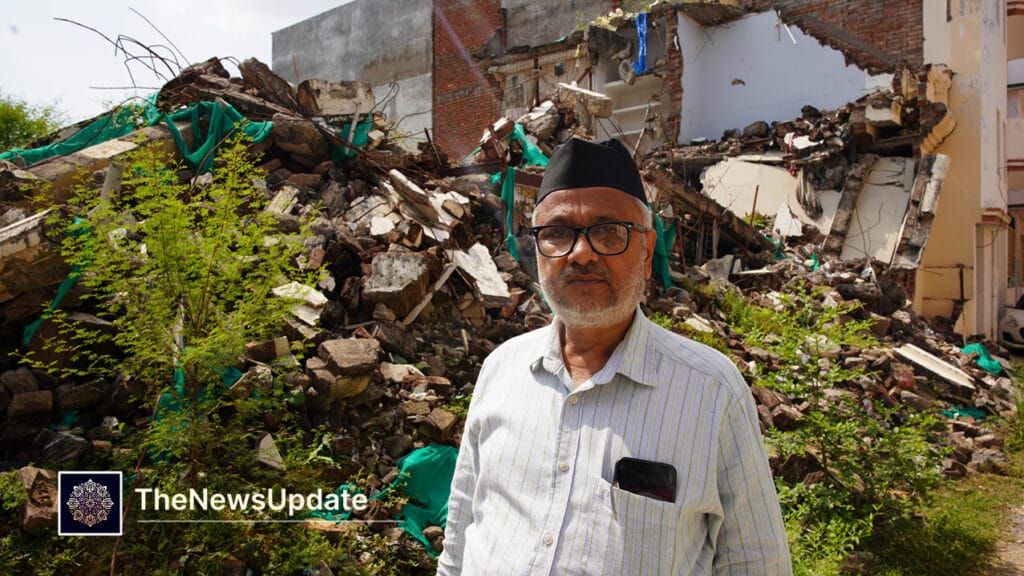
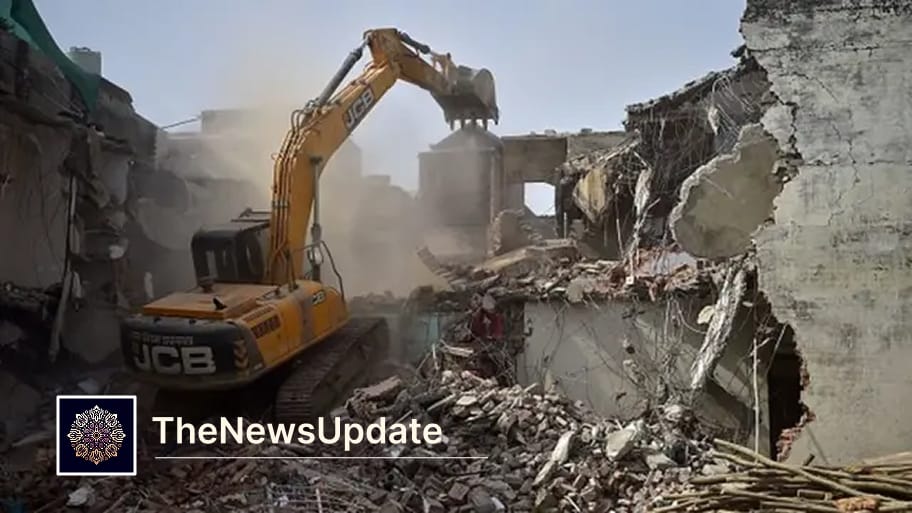
The demolitions occurred in Fakir Colony and Wasim Layout in Kogilu village, north Bengaluru. In the early hours of December 22, bulldozers arrived around 4 am and flattened more than 200 houses while residents were still inside or asleep.
The drive was conducted by the Bengaluru Solid Waste Management Limited (BSWML) and involved four JCB machines and over 150 police personnel. Authorities claimed the structures were illegal encroachments on government land near a lake and an Urdu Government School.
Residents, however, say no prior notice was served and they were not given time to remove belongings or documents.

Human Impact: Families Left in the Cold
The most severe impact of the bulldozer raj Karnataka demolitions has been humanitarian. Nearly 400 families, mostly Muslims, were rendered homeless during one of the coldest weeks Bengaluru has experienced in years.
- Children were seen sleeping under plastic sheets.
- Elderly residents sat beside debris clutching identity documents.
- Daily-wage labourers lost both shelter and livelihood.
Many families claim to have lived in the area for over two decades and possess valid Aadhaar cards and voter IDs, questioning why rehabilitation was not arranged.
Political Fallout and Kerala Left’s Sharp Criticism
The issue triggered a political storm, particularly after Kerala Chief Minister Pinarayi Vijayan accused the Congress government of adopting “anti-minority politics” and governing through fear.
Kerala Education Minister V Shivankutty compared the action to the Emergency era, alleging hypocrisy from a party that claims to stand for secularism and democracy.
The CPI(M) sent a delegation to the site, interacted with affected families, and helped form an anti-demolition committee. The party released statements accusing the Karnataka government of inhuman and hurried action.
Congress Government’s Defence and DK Shivakumar’s Response
Karnataka Deputy Chief Minister DK Shivakumar rejected the “bulldozer raj” label, asserting that the land was a waste dumping site encroached upon by land mafia.
यह भी पढ़े:
 Canada Hospital Killed Indian-Origin Man: Wife Alleges Medical Negligence After 8-Hour Wait
He claimed residents were offered opportunities to relocate and criticised leaders from other states for commenting without understanding local realities. According to Shivakumar, the government’s intent was planned urban development, not arbitrary demolition.
Legal, Constitutional, and Human Rights Concerns
Legal experts note that even illegal encroachments require due process, including prior notice, time to respond, and rehabilitation for long-term residents.
Human rights groups argue that demolitions affecting predominantly minority settlements create perceptions of selective enforcement. Past Supreme Court rulings have linked the right to shelter with the right to life under Article 21 of the Constitution.
The Karnataka demolitions are therefore expected to face sustained legal and civil scrutiny.
What Comes Next
Protests continue as affected families demand immediate relief, temporary housing, and a clear rehabilitation plan. Politically, the controversy has exposed tensions within opposition parties and revived debate on bulldozer justice.
Beyond party lines, the episode raises a broader question: can urban development proceed without undermining human dignity and constitutional values?
Related Reads
By The News Update | India Today News Desk — Updated December 27, 2025