Canada hospital killed Indian-origin man
Table of Contents
- Background: Who Was Prashant Sreekumar?
- The Ordeal at the Canadian Hospital
- Wife’s Emotional Allegations Go Viral
- Official Response From Hospital and Authorities
- Broader Questions on Canada’s Healthcare System
- What Happens Next?

Background: Who Was Prashant Sreekumar?,Canada hospital killed Indian-origin man
Prashant Sreekumar, a 44-year-old Indian-origin professional and father of three, had built a life in Canada with his family. Friends and relatives describe him as a dedicated family man who was actively working and in regular health until the day he complained of sudden chest pain.
यह भी पढ़े:
 Osman Hadi Killers Fled to India via Meghalaya Border: Dhaka Police Reveal Shocking Escape Route
On December 22, Prashant was at work in Edmonton when he began experiencing severe chest discomfort. Alarmed by his condition, a client immediately drove him to Grey Nuns Hospital in southeast Edmonton, seeking urgent medical attention.
What followed has now become a deeply controversial case, with his family alleging that systemic delays and lack of timely care led to his untimely death.
The Ordeal at the Canadian Hospital
According to the family, Prashant was checked into the hospital’s triage area around 12:20 pm. Despite clearly stating that he was suffering from intense chest pain, he was asked to wait in the waiting room.
यह भी पढ़े:
 Bulldozer Raj Karnataka Demolitions: Congress Govt Faces Backlash After 400 Muslims Left Homeless
An ECG was reportedly conducted, and he was given Tylenol. However, his wife claims that doctors and hospital staff dismissed his pain, telling him that chest pain was “not considered acute.”
Over the next several hours, Prashant’s condition worsened.
- He waited nearly eight hours without being admitted
- His blood pressure reportedly rose dangerously, reaching 210
- No advanced cardiac treatment was initiated
Despite repeatedly informing staff about the severity of his pain, he remained in the waiting area until nearly 8:50 pm.

When he was finally called inside the emergency room, tragedy struck almost immediately. Within seconds of being seated, Prashant collapsed and could not be revived.
Wife’s Emotional Allegations Go Viral
Standing beside her husband’s lifeless body in a hospital room, Prashant’s wife recorded a heart-wrenching video that has since gone viral.
In the video, she directly blames the hospital, stating that her husband died not because help was unavailable, but because it came far too late.

“He was sitting in triage from 12:20 till almost 8:50 at night, complaining constantly of chest pain. They only gave him Tylenol. They said chest pain is not acute,” she says, her voice breaking.
She further claims that despite alarming blood pressure readings and visible distress, her husband was repeatedly told to wait.
The video has resonated strongly with viewers, particularly among Indian communities abroad, who expressed shock that such delays could occur in a developed healthcare system.

Official Response From Hospital and Authorities
Following widespread outrage, Canadian health authorities addressed the matter cautiously.
Officials confirmed that the case has been referred to the Office of the Chief Medical Examiner for a formal review. However, citing patient privacy laws, they declined to comment on specific details of Prashant’s medical care.
Responding on behalf of Covenant Health, which oversees Grey Nuns Hospital, Interim Chief Operating Officer Karen Macmillan issued a condolence statement.

“We offer our sympathy to the patient’s family and friends. There is nothing more important than the safety and care of our patients and staff,” the statement said.
While the hospital expressed condolences, it did not directly address allegations of delayed treatment or triage failure.
Broader Questions on Canada’s Healthcare System
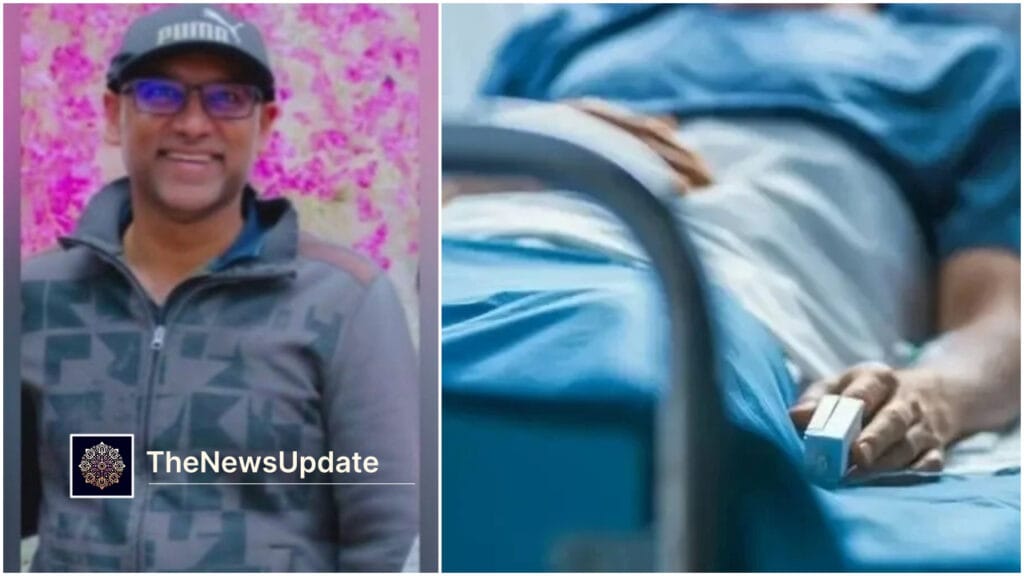
The case has reignited debate around emergency room wait times and patient triage in Canada.

Healthcare experts have long warned that overcrowded emergency departments and staffing shortages can lead to dangerous delays, especially for cardiac cases where minutes can be the difference between life and death.
Social media users and advocacy groups are now asking:
- Are triage protocols adequately prioritising chest pain cases?
- Is Canada’s public healthcare system overstretched?
- Do immigrants and minorities face systemic gaps in care?
While investigations will determine accountability in this case, the emotional response suggests a growing loss of public trust.

What Happens Next?
The Chief Medical Examiner’s review will play a crucial role in establishing whether medical negligence occurred.
For Prashant Sreekumar’s family, the goal now extends beyond grief. They are seeking answers, accountability, and assurances that no other family endures a similar loss.
As the case unfolds, it stands as a painful reminder that even advanced healthcare systems are vulnerable to fatal lapses when delays intersect with medical emergencies.

Related Reads
By The News Update | Updated December 26, 2025