Bangladesh newspaper offices set ablaze
Staff at two of Bangladesh’s most prominent newspapers have described terrifying scenes of suffocation and chaos after protesters set their offices on fire in Dhaka, following the killing of youth activist Sharif Osman Hadi.
Hundreds of demonstrators stormed the headquarters of the English-language Daily Star and the Bengali daily Prothom Alo late on Thursday, torching parts of the buildings and forcing journalists and staff to flee for their lives.
‘One of the darkest days for journalism in Bangladesh’
The Daily Star called the attack “one of the darkest days for independent journalism in Bangladesh”, saying the violence had temporarily crippled its operations.
For the first time in its 35-year history, the newspaper failed to publish its print edition on Friday. Consulting editor Kamal Ahmed said the organisation would remain “inoperable for a while” as it assessed the damage.
“Twenty-eight of our colleagues were trapped on the rooftop for hours,” Mr Ahmed told the BBC. “They were gasping for fresh air. They were rescued only after additional military reinforcement arrived.”

Buildings charred, smoke still rising:Bangladesh newspaper offices set ablaze
No fatalities or serious injuries were reported, but the scale of destruction was severe. When BBC Bangla reporters visited the sites on Friday, large sections of both buildings were completely charred, with smoke still rising from Prothom Alo’s offices.
Images from the scene showed blackened walls, collapsed interiors and debris strewn across surrounding streets, underlining the ferocity of the attack.
Why were the newspapers targeted?
The precise reasons behind the attacks remain unclear. Both Daily Star and Prothom Alo have long been regarded as secular and progressive voices in Bangladesh and were frequently criticised during the administration of former Prime Minister Sheikh Hasina.

Since the July 2024 uprising that forced Hasina from power, the two papers have continued to scrutinise government actions, including policies introduced by the interim administration led by Nobel laureate Muhammad Yunus.
Observers believe this critical stance may have angered some supporters of the interim government, though no official confirmation has been given.
Government condemnation and pledge of justice
The interim government strongly condemned the violence, promising swift justice for those responsible.
“Attacks on journalists are attacks on truth itself,” the government said in a statement. It warned that Bangladesh’s “historic democratic transition” must not be derailed by individuals who “thrive on chaos and reject peace”.
Other symbolic targets were also attacked on the same night, including the former residence of Sheikh Mujibur Rahman, the country’s first president and Sheikh Hasina’s father.
Who was Sharif Osman Hadi?
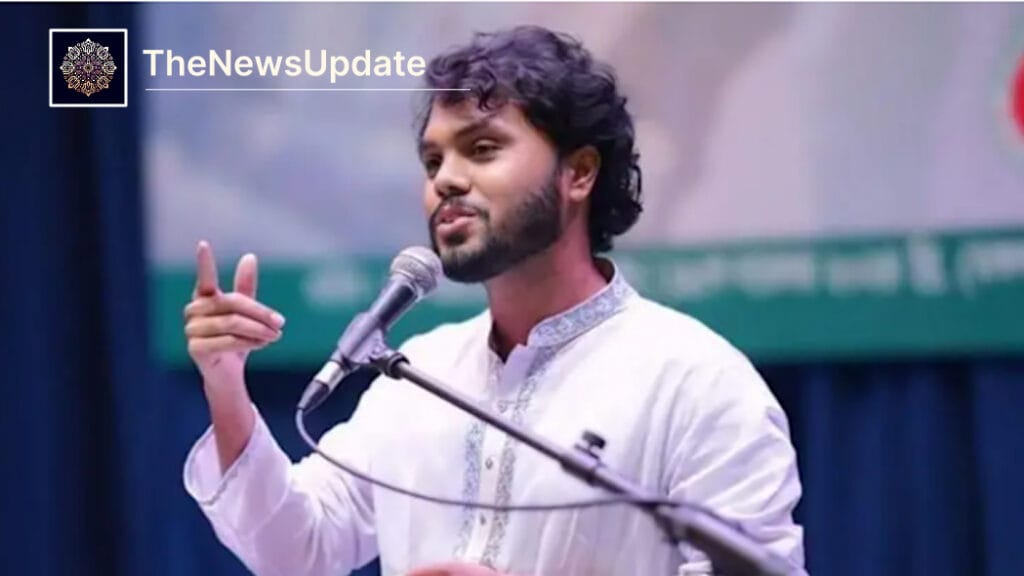
The violence followed the death of Sharif Osman Hadi, a 32-year-old student leader who rose to prominence during last year’s mass protests against Sheikh Hasina’s government.

Hadi was a senior figure in the student protest platform Inqilab Mancha and had become a recognisable face on television talk shows and social media.
He was shot by masked assailants while leaving a mosque in Dhaka on 12 December, just one day after authorities announced the date for national elections scheduled for February.
Hadi later died from his injuries at a hospital in Singapore, sparking widespread outrage across the country.

Political tensions ahead of elections
Interim leader Muhammad Yunus described Hadi’s killing as “an irreparable loss for the nation” and said it was a premeditated attempt to destabilise Bangladesh ahead of the polls.
“The country’s march toward democracy cannot be halted through fear, terror or bloodshed,” Yunus said in a televised address.
The government has declared a day of national mourning, while investigations into the shooting are ongoing. Several suspects have been detained, though authorities have yet to reveal details about possible motives or masterminds.

A fragile media environment
The attacks have renewed concerns about press freedom in Bangladesh at a time when the country is preparing for its first election since Sheikh Hasina fled to India in August 2024.
In November, Hasina was sentenced to death for crimes against humanity after being found guilty of allowing security forces to use lethal force during last year’s unrest, which left more than 1,400 people dead.
Journalists and rights groups warn that continued violence against media organisations could undermine public trust and restrict the flow of information during a critical political transition.
Uncertain road ahead
As Bangladesh moves toward elections, the torching of newspaper offices serves as a stark reminder of the risks facing independent journalism in volatile political climates.
Whether authorities can restore confidence, protect media workers and ensure accountability for the attacks will be a key test of the country’s commitment to democratic values and freedom of expression.