Chronic water shortages in Dar es Salaam
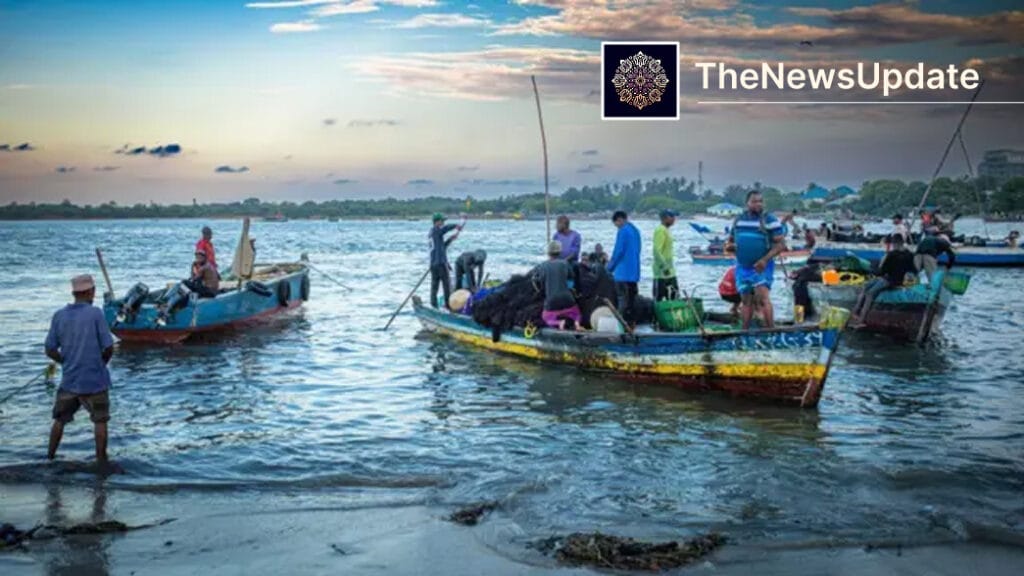
At first light in Tanzania’s largest city, Dar es Salaam, many residents begin their day not with festive preparations but with a frantic search for water. With Christmas approaching, the holiday spirit has been dampened by dry taps and persistent water shortages affecting millions.
Across neighbourhoods, plastic containers are stacked outside homes, ready to be rushed to a tap whenever word spreads that water is flowing again. For many households, access to water has become unpredictable, limited by rationing and long gaps between supply.
Water Rationing Disrupts Daily Life::Chronic water shortages in Dar es Salaam
City authorities have introduced water rationing, with most households receiving water only once a week. For some families, the wait stretches even longer, forcing them to seek alternatives.
The crisis, driven by prolonged drought and rising demand, has persisted for months. As a result, thousands of residents rely on private vendors who source water from boreholes and tanks. While these vendors offer relief, the high costs place a heavy burden on low-income households.
Cedric Ndosi, who lives in Madale on the outskirts of the city, plans to host guests for Christmas lunch but worries about the cost.

“Christmas is here and there is no water in our taps. We are forced to buy water from shops for cooking and from water trucks for bathing, but it’s expensive,” he says.
Rising Costs and Household Stress
For many families, water has become an unexpected and significant expense. Furaha Awadhi, a mother of two living in Tegeta, says the price of water has more than doubled.
“The price has risen from four dollars for 1,000 litres to ten dollars,” she explains.

Others have adjusted their routines to cope with the uncertainty. Cedric Mushi, who lives in Ubungo, says he stays alert whenever water is supplied.
“It comes only once a week, usually late at night. When it does, I make sure we store enough so my family does not suffer,” he says.
Drought and Infrastructure Challenges
Officials say the prolonged dry spell since the end of the rainy season in May has sharply reduced water levels in rivers and groundwater sources that supply the city. This has forced authorities to cut output from water treatment plants.

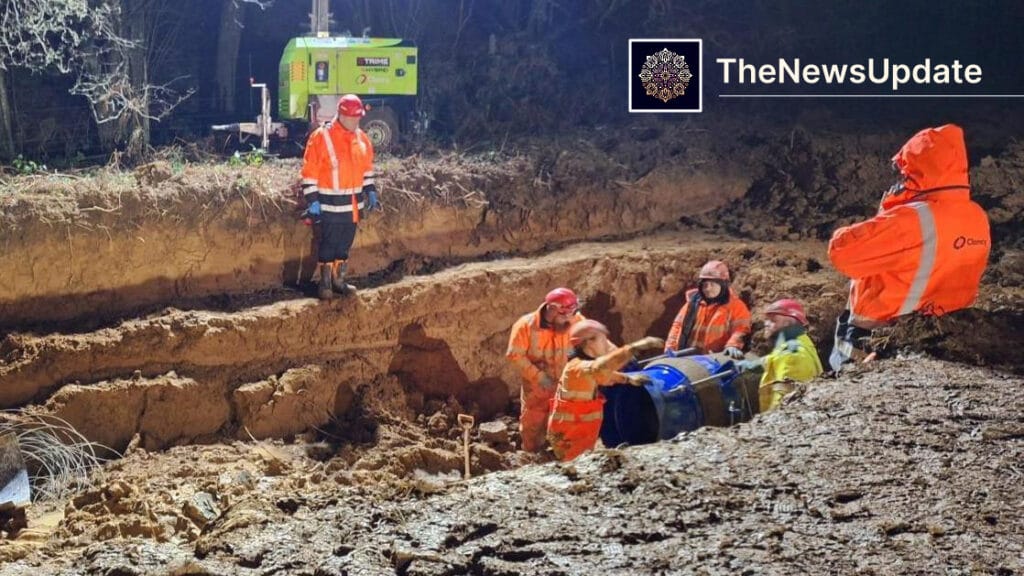
Leaking pipes in the distribution network have worsened the situation, leading to significant water losses before supplies reach homes.
Dar es Salaam, located on the Indian Ocean coast, is among Africa’s fastest-growing cities. Over the past two decades, its population has more than doubled as people migrate in search of economic opportunities.
The rapid expansion of new neighbourhoods has stretched infrastructure beyond its limits. Even during normal conditions, the city’s water supply struggles to meet demand.

Escaping the City for the Holidays
For some residents, the lack of water and extreme heat have prompted plans to leave the city during the festive season.
“Here in Dar es Salaam it’s extremely hot, no rain, no water,” says Joyce Fredrick. “We are going to Arusha, where at least the weather is more friendly.”
Unlike other major cities, Dar es Salaam has been particularly affected by the failure of the October to December rainy season. Even Dodoma, which receives limited rainfall, has been less impacted due to its man-made dams.

Dependence on Limited Water Sources
Dar es Salaam lacks a nearby freshwater lake and has no desalination plant despite its coastal location. Around 70% of the city’s water comes from the Ruvu River, whose flow depends heavily on seasonal rainfall inland.
Smaller rivers and boreholes provide additional supply, but these sources offer limited relief when rains fail. When the Ruvu’s flow drops, high-lying areas and newly developed suburbs are among the first to feel the impact.
The effects are widespread but uneven, with poorer households bearing the brunt of the crisis.

Impact on Businesses and Women
Small businesses have also been hit hard. Food vendors, salon operators, and car wash owners have been forced to reduce operating hours or raise prices to cover water costs.
Women are often at the forefront of coping with the shortages, spending hours searching for water for their households.
“When water is scarce, everything else stops,” says Tegemeo Kombe from Kibamba. “Hygiene suffers, stress increases, especially for us mothers, and the whole household feels the impact.”

Government Response and Future Plans
The government has acknowledged the severity of the crisis. Water Minister Juma Aweso says Dar es Salaam’s reliance on rainfall-fed rivers has made it particularly vulnerable.
“Long-term solutions are under way. We are building a dam that will collect water from different freshwater sources to solve the problem in the future,” he says.
The government has also invested in drilling more boreholes to meet rising demand and protect the city from future climate shocks.

The Dar es Salaam Water and Sanitation Authority has apologised to residents and urged them to conserve water. Critics, however, are calling for better communication, clearer rationing schedules, and faster delivery of promised projects.
Hope Amid Uncertainty
While concerns remain that water shortages could become more frequent, some residents remain hopeful.
“When water is missing, life changes too,” says Joyce Fredrick. “But we believe things will be better next year.”
Related Reads
By The Morning News Informer — BBC Africa, Dar es Salaam