Al Hind Air FlyExpress new airlines approved
Table of Contents
- Centre Clears Two New Airlines
- Why the Government Is Pushing for More Airlines
- Market Dominance and Recent IndiGo Disruptions
- Who Are Al Hind Air, FlyExpress, and Shankh Air
- What Lies Ahead for India’s Aviation Sector
Centre Clears Two New Airlines
India’s aviation sector may soon offer passengers more choice after the Centre cleared two new airlines to begin preparations for commercial operations. Al Hind Air and FlyExpress have received no objection certificates (NOCs) from the Ministry of Civil Aviation, signalling the government’s intent to reduce heavy dependence on a few dominant carriers.
The approvals come days after widespread flight disruptions at IndiGo affected travellers across the country, drawing attention to the risks of over-reliance on a single airline in a fast-growing aviation market.
यह भी पढ़े:
 Osman Hadi Killers Fled to India via Meghalaya Border: Dhaka Police Reveal Shocking Escape Route
The move is being seen as part of a broader effort to deepen competition in India’s domestic aviation sector, which continues to see strong passenger growth but limited participation by new players.
Why the Government Is Pushing for More Airlines
Despite rising demand for air travel, India has struggled to sustain a large number of airlines. High operating costs, mounting debt, and regulatory challenges have forced several carriers to shut down over the years.
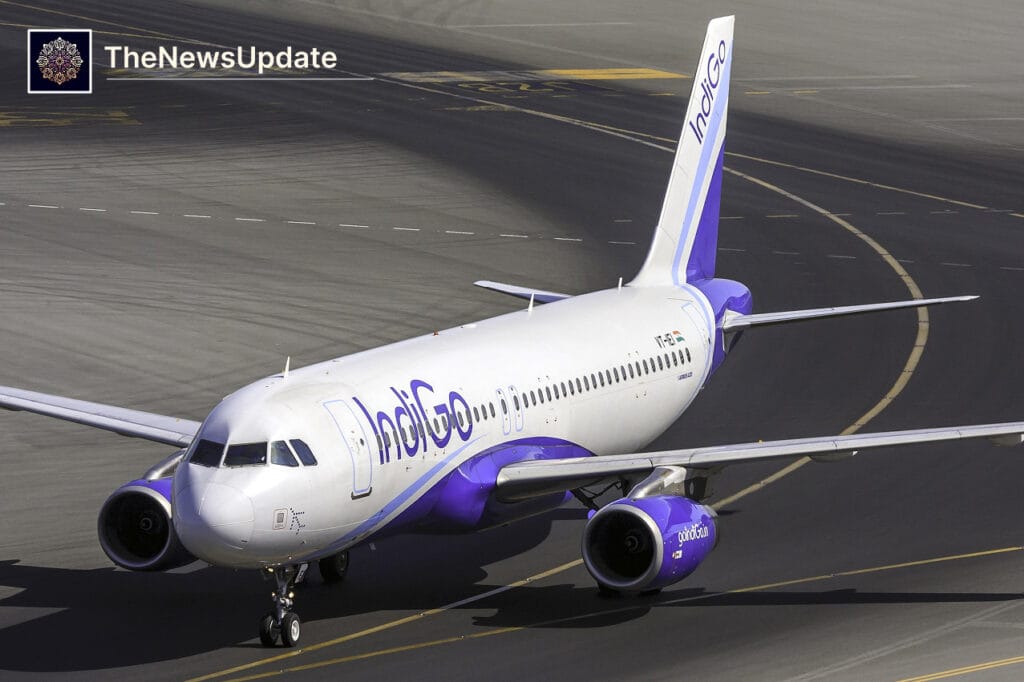
Currently, only nine scheduled domestic airlines are operational in the country. The number dropped further in October after regional carrier Fly Big stopped its scheduled services, raising concerns about the sector’s depth and resilience.
यह भी पढ़े:
 Bulldozer Raj Karnataka Demolitions: Congress Govt Faces Backlash After 400 Muslims Left Homeless
The government believes that encouraging new airlines will:
- Increase competition and improve service quality
- Reduce dependence on a handful of large carriers
- Help manage disruptions during operational crises
- Expand connectivity to underserved regions
With passenger numbers rising every year, policymakers argue that India needs a broader base of airlines to support long-term growth.
Market Dominance and Recent IndiGo Disruptions
India’s domestic aviation market is currently dominated by IndiGo and the Air India Group, which includes Air India and Air India Express. Together, these airlines account for over 90% of domestic air travel.

IndiGo alone holds more than 65% market share, making it the single most influential player in the sector. While its scale has helped keep fares competitive, recent disruptions highlighted the risks of such concentration.
Earlier this month, widespread flight delays and cancellations at IndiGo disrupted travel plans for thousands of passengers nationwide. The episode sparked renewed debate over whether India’s aviation ecosystem is overly dependent on one airline.
The clearance of Al Hind Air and FlyExpress is being viewed as a direct response to these concerns.

Who Are Al Hind Air, FlyExpress, and Shankh Air
Al Hind Air is being promoted by the Kerala-based Alhind Group, which already has an established presence in travel and related services. The group’s experience in the sector is expected to support its airline ambitions.
FlyExpress is another proposed airline looking to enter the domestic market at a time when demand remains strong but competition is limited. Details about its fleet and route strategy are expected to emerge in the coming months.
Another airline, Shankh Air, based in Uttar Pradesh, has already received its NOC earlier and is expected to begin commercial flights in 2026.
यह भी पढ़े:
 Canada Hospital Killed Indian-Origin Man: Wife Alleges Medical Negligence After 8-Hour Wait
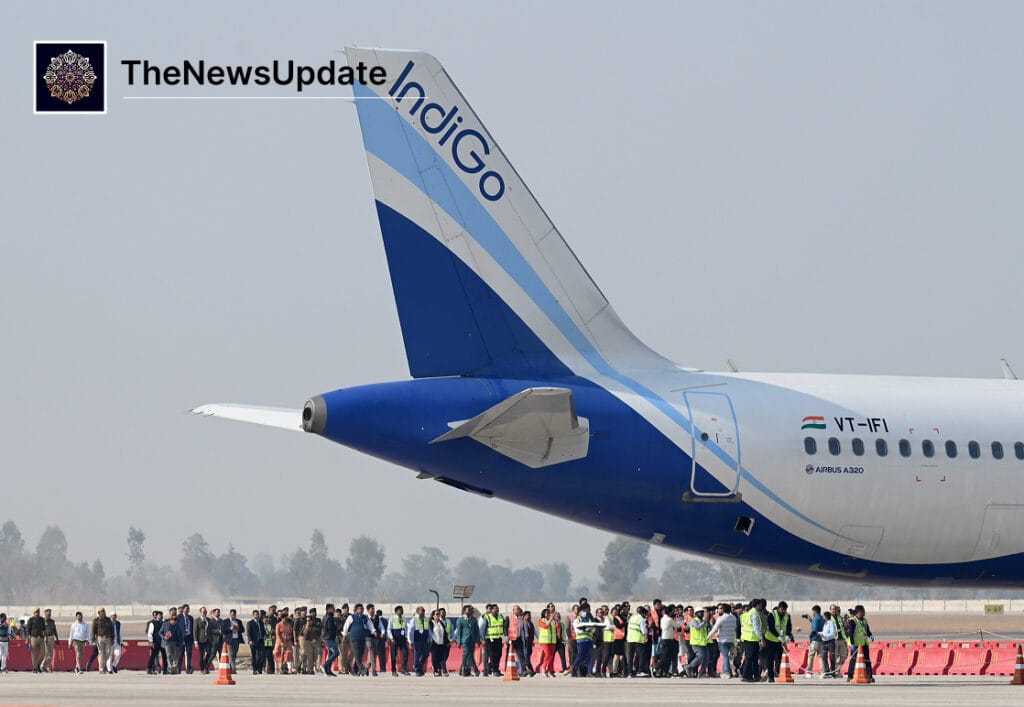
Civil Aviation Minister K Rammohan Naidu confirmed the approvals in a post on X, stating that the ministry had met representatives from Shankh Air, Al Hind Air, and FlyExpress.
While Shankh Air had already been cleared earlier, the NOCs for Al Hind Air and FlyExpress were granted this week. All three airlines must still complete several regulatory and operational steps before launching commercial services.
What Lies Ahead for India’s Aviation Sector:Al Hind Air FlyExpress new airlines approved
The minister said encouraging more airlines has been a long-standing goal of the government, particularly given the rapid expansion of India’s aviation market. He also highlighted schemes such as UDAN, which focus on improving air connectivity to smaller cities and towns.

Under UDAN, airlines like Star Air, IndiaOne Air, and Fly91 have launched services on routes that previously had little or no air connectivity, helping integrate smaller cities into the national aviation network.
According to the Directorate General of Civil Aviation, the scheduled domestic airlines currently operating in India include IndiGo, Air India, Air India Express, Alliance Air, Akasa Air, SpiceJet, Star Air, Fly91, and IndiaOne Air.
The collapse of carriers such as Jet Airways and Go First, both of which shut down after failing to manage financial stress, continues to serve as a cautionary tale for new entrants.

As Al Hind Air, FlyExpress, and Shankh Air move closer to launch, the success of these airlines will depend on their ability to manage costs, scale operations sustainably, and compete in a highly competitive market.
Related Reads
By The News Update — Updated December 24, 2025