Table of Contents
- Background: Google Assistant and Gemini
- Updated Timeline for Gemini Rollout
- Devices and Platforms Receiving Gemini
- Gemini Features and Improvements
- User Feedback and Transition Guidance
- What to Expect in 2026
Background: Google Assistant and Gemini
Google Gemini Replaces Assistantt, launched in 2016, has been the company’s flagship voice assistant for Android devices, smart speakers, and other connected platforms. It enabled hands-free voice commands, music playback, smart device control, reminders, and more.
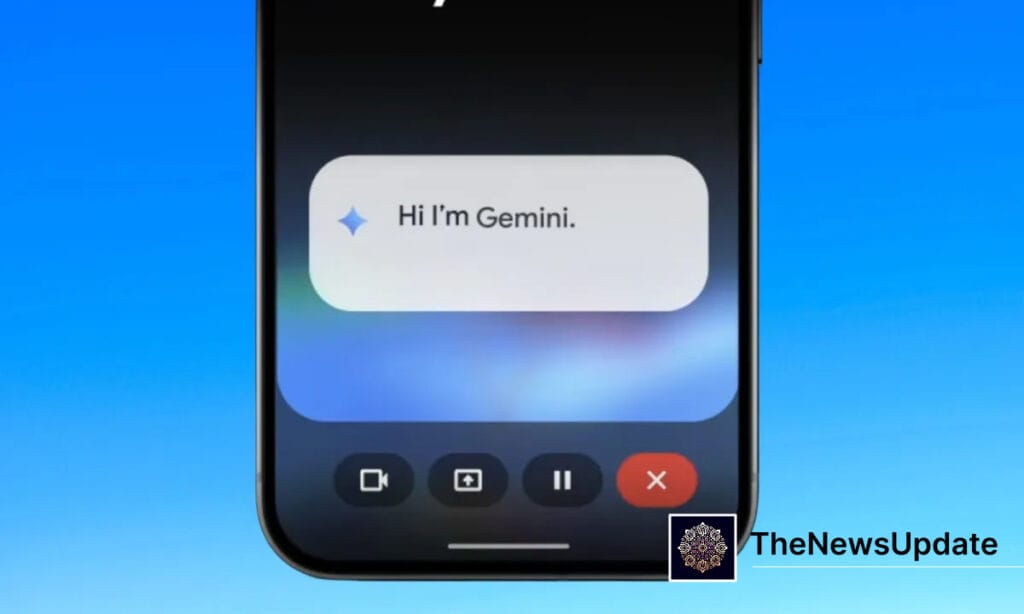
In 2024, Google introduced Gemini, an AI-powered successor designed to provide enhanced features, faster responses, and broader AI capabilities. Gemini aims to replace Google Assistant across mobile devices and expand to tablets, watches, cars, and home devices, offering a unified AI experience.
Updated Timeline for Gemini Rollout
Google recently announced that it has delayed the plan to fully replace Google Assistant with Gemini on most Android smartphones. The company now expects the transition to continue into 2026, citing the need for a “seamless upgrade experience” for users.
Originally, the plan was to complete the replacement by the end of 2025. Google has not specified an exact new date but stated that more updates and guidance will be shared in the coming months.
Devices and Platforms Receiving Gemini
Many devices have already transitioned from Assistant to Gemini. By 2026, Google Assistant will no longer be available for download on most mobile devices, while Gemini will take over as the default AI assistant. The rollout will extend beyond smartphones to include:

- Tablets
- Cars
- Headphones and earbuds
- Watches
- Smart speakers, displays, and TVs
Gemini Features and Improvements
The Gemini app is now available in over 40 languages across more than 200 countries. Key features include:
- Playing music and controlling media playback
- Setting timers, alarms, and reminders
- Lock-screen actions for quick access
- AI-powered video verification tool for secure authentication
- Integration with smart devices for seamless control
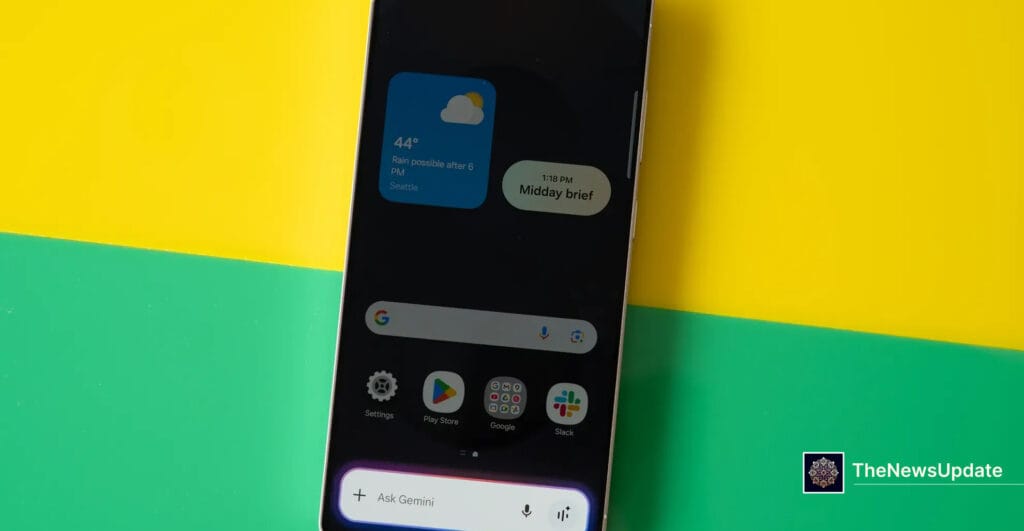
Gemini’s AI core allows improved understanding of natural language, faster response times, and the ability to learn from user interactions, making it more capable than the older Assistant model.
User Feedback and Transition Guidance
Google has encouraged users to share feedback and suggestions during the ongoing Gemini rollout. The company aims to ensure a smooth transition and address any issues that may arise while replacing Assistant on various devices.

Users can continue to access the Gemini app and explore new AI features while the older Assistant remains available on some devices during the transitional period.
What to Expect in 2026
By 2026, Gemini will be the primary AI assistant across Android smartphones and other connected devices. The AI-powered platform will enhance productivity, device control, and multimedia management. With broader language support and advanced AI tools, Gemini is expected to offer a more intuitive and personalized user experience.
The search giant announced Gemini integration for Android smartphones in 2024, and the Gemini app is now available on Android phones in over 200 countries and more than 40 languages are supported. The app supports many features, such as playing music, setting timers, and taking action from the lock screen. Google recently launched an AI Video verification tool for the Gemini app and website.
यह भी पढ़े:
 Samsung Bixby Perplexity AI Integration: 7 Key Signs Samsung Is Reinventing Its Voice Assistant
Google also confirmed that tablets, cars, headphones, watches, and other connected devices will get Gemini upgrades. The Gemini-powered experience will be available on home devices like smart speakers, displays, and TVs. The Google Assistant was launched in 2016 for hands-free voice assistance.
Many devices have already transitioned from Google Assistant to Gemini, and Google is eyeing to upgrade more users in the coming months. By 2026, the Google Assistant will no longer be available on most mobile devices or for download via app stores.
Related Reads
By The News Update— Updated December 22, 2025