The European Union has agreed to provide Ukraine with a massive €90 billion loan package over the next two years EU €90bn loan for Ukraine, offering critical economic relief as the war with Russia drags on. The deal, finalised after nearly 17 hours of intense negotiations at a late-night EU summit in Brussels, comes at a pivotal moment when Ukraine faces mounting financial pressure and political uncertainty ahead of crucial peace talks and elections.
However, the agreement marks a significant compromise. While European leaders have long debated using frozen Russian assets to finance Ukraine’s recovery and defence, the final decision stops short of directly seizing those funds. Instead, the EU will borrow the money from capital markets, backing the loan with unused budget headroom.
The move reflects both Europe’s determination to support Ukraine and the internal divisions that continue to shape the bloc’s response to Russia’s invasion.

Why Ukraine Needs Immediate Financial Support EU €90bn loan for Ukraine
Ukraine’s financial situation has become increasingly fragile as the war enters another critical phase. According to EU estimates, Kyiv needs around €137 billion over the next two years to sustain its military defence, pay public sector salaries, fund pensions, and keep essential public services running.
With tax revenues shrinking due to damaged infrastructure, displaced populations, and disrupted trade, Ukraine has relied heavily on international aid. Without fresh funding, officials warned that the country could face a severe cash crunch by early next year.
The €90bn EU loan is designed to cover roughly two-thirds of Ukraine’s estimated financial needs, helping to stabilise the economy and prevent a broader humanitarian crisis.
Key Details of the €90bn EU Loan Deal
The loan agreement represents one of the largest financial commitments the EU has ever made to a non-member state during a conflict. Key aspects of the deal include:
- €90 billion to be provided over a two-year period
- Funds raised by the EU from international capital markets
- Loan backed by EU budget headroom rather than direct member state guarantees
- Repayment expected only when Russia pays war reparations
European Council President António Costa described the agreement as proof that Europe could still act decisively despite internal disagreements. “We committed, we delivered,” he said after the talks concluded.
Ukrainian Prime Minister Yuliya Svyrydenko welcomed the deal, calling it “a decisive step for economic resilience” that would allow Ukraine to keep functioning under extraordinary pressure.
Why the EU Did Not Use Frozen Russian Assets
One of the most contentious issues during the summit was whether the EU should directly use frozen Russian assets to fund Ukraine. Around €210 billion in Russian central bank reserves are currently frozen within the EU, most of it held by Belgium-based clearing house Euroclear.
While interest earned on those assets is already being channelled to Ukraine, full confiscation proved far more controversial.
Belgium’s Prime Minister Bart De Wever raised strong objections, citing fears of legal challenges, financial instability, and potential Russian retaliation against Belgian interests. Russia has already launched legal proceedings against Euroclear, increasing concerns about the precedent such a move would set.

Ultimately, EU leaders failed to secure unanimous backing for the proposal, forcing a shift toward borrowing against the EU’s budget instead.
Russia’s Reaction: Accusations of Theft and Legal Threats
Moscow reacted angrily to the EU’s discussions, even though Russian assets were not directly seized. Russian President Vladimir Putin accused European leaders of attempting “robbery” and warned of consequences.
Putin’s US talks envoy, Kirill Dmitriev, claimed the EU’s failure to agree on asset confiscation was a “fatal blow” to Western unity. However, European leaders dismissed the claim, arguing that the final deal still sends a strong signal of long-term commitment to Ukraine.
Belgium’s Bart De Wever framed the compromise as a win for all sides within the EU. “It is a victory for Ukraine, a victory for financial stability, and a victory for the EU,” he said.
Which Countries Opposed the Deal and Why
Despite broad support, the loan agreement was not universally accepted across the bloc.
Hungary and Slovakia outright refused to back the compromise, while the Czech Republic agreed only on the condition that it would not guarantee the loans.

Hungarian Prime Minister Viktor Orbán, widely seen as Russia’s closest ally within the EU, criticised the plan sharply. He argued that the loan would never be repaid and would merely prolong the war.

“It looks like a loan, but the Ukrainians will never be able to pay it back,” Orbán said. “It is basically losing money.”
Slovakia’s Robert Fico echoed similar concerns, signalling a departure from the strong pro-Ukraine stance held by previous governments in the region.

Germany’s Setback and Strategic Messaging
German Chancellor Friedrich Merz had been among the strongest supporters of using frozen Russian assets. For Berlin, asset confiscation represented both justice and strategic deterrence.
While the final agreement fell short of that goal, Merz maintained that the loan still sent “a clear signal from Europe to Putin.” German officials emphasised that the option of using Russian assets has not been permanently abandoned.
The decision highlights the delicate balance between political resolve and legal caution within Europe’s largest economies.

Impact on Ukraine’s War Effort
The €90bn loan is expected to provide Ukraine with a degree of financial predictability that has been lacking for much of the war.
By ensuring continued payment of salaries, pensions, and essential services, the funding helps maintain domestic stability and morale. It also allows Kyiv to plan military expenditures without constant fear of economic collapse.
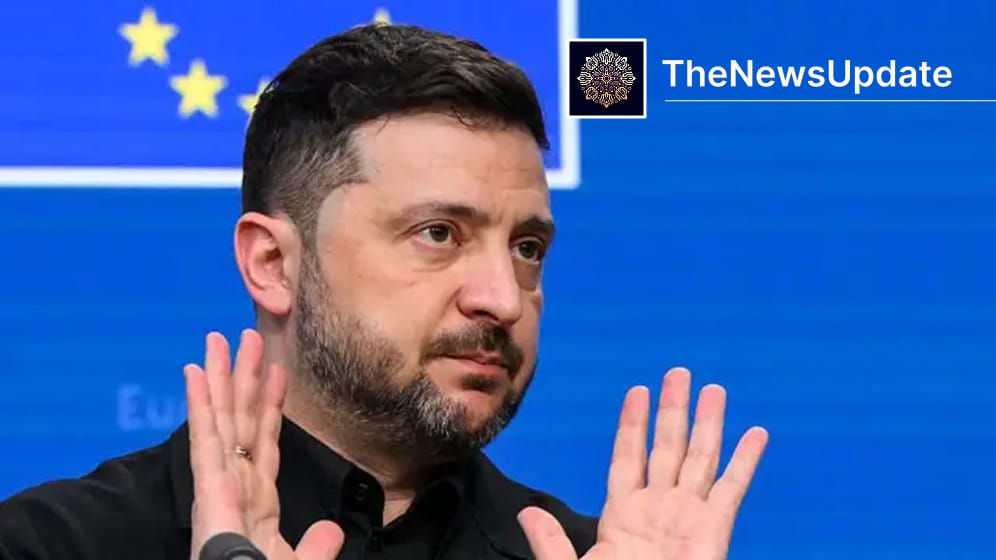
Ukrainian President Volodymyr Zelensky expressed gratitude to European leaders, saying the support “truly strengthens our resilience” at a time when Ukraine faces pressure on multiple fronts.

How the Loan Affects Peace Negotiations
The timing of the agreement is especially significant as diplomatic efforts to end the war intensify.
US-led talks involving Russia are expected to continue in the coming weeks, with American envoys reportedly meeting Russian and Ukrainian representatives separately. European leaders have proposed a range of peace initiatives, including multinational security guarantees for Ukraine.
Polish Prime Minister Donald Tusk said the loan strengthens Ukraine’s negotiating position, reducing the risk that Kyiv could be forced into an unfavourable settlement due to financial desperation.

“There is a chance these negotiations will be about peace not on Russian terms, but on terms acceptable to all parties,” Tusk said.
France’s Call for Re-Engagement with Russia
French President Emmanuel Macron struck a more conciliatory tone, suggesting that Europe should find ways to re-engage diplomatically with Russia.
“It would be useful for Europe to re-engage with Putin,” Macron said, adding that discussions should resume in a structured and strategic manner.

His comments reflect growing debate within Europe about how to balance military support for Ukraine with long-term diplomatic solutions.
Long-Term Risks for the European Union
While the €90bn loan demonstrates unity, it also exposes structural challenges within the EU.
Borrowing against the EU budget increases long-term financial exposure and may complicate future budget negotiations. Some critics warn that repeated reliance on debt-financed aid could strain public support in member states already facing inflation and economic slowdown.
There are also concerns about moral hazard, with sceptics questioning whether Ukraine will ever be in a position to repay such loans without significant debt forgiveness.
What Comes Next for Frozen Russian Assets?
Although the EU backed away from direct confiscation, the debate is far from over.
Interest generated from frozen Russian assets continues to flow to Ukraine, and several EU leaders have hinted that legal frameworks for broader use of the funds are still under consideration.

Any future move would likely require stronger legal safeguards and coordination with international partners, particularly the United States.
Conclusion: A Deal That Reflects Europe’s Reality
The €90bn loan agreement underscores the European Union’s commitment to Ukraine while highlighting the limits of consensus within a diverse political bloc.
By choosing financial stability over legal confrontation, EU leaders opted for a pragmatic solution that ensures immediate support without escalating legal and economic risks.

As Ukraine prepares for another critical year of war, diplomacy, and elections, the loan offers breathing room—but not certainty. The success of the deal will ultimately depend on how long the conflict lasts, whether peace talks gain traction, and whether Europe can sustain unity in the face of mounting pressure.
For now, the message from Brussels is clear: despite disagreements, Europe is not stepping back from Ukraine.