Table of Contents
- Background: H-1B Visa Programme Explained
- Indians Using Rishwat to Game H-1B Programme: The Allegations
- Mahvash Siddiqui’s Claims From Chennai Posting
- Impact on American Workers and US Tech Industry
- Calls for Audit, Reform and Possible H-1B Pause
- Political and Diplomatic Fallout
Background: H-1B Visa Programme Explained
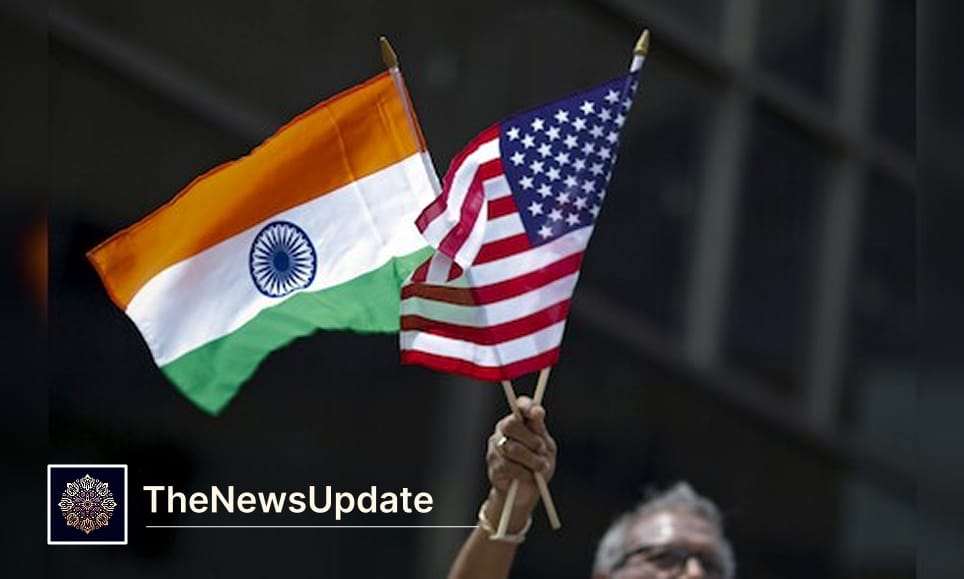
The H-1B visa programme has long been a cornerstone of America’s skilled immigration system. Designed to allow US companies to hire foreign professionals in specialised fields such as technology, engineering, and medicine, the programme was meant to fill genuine talent gaps.
However, over the years, the H-1B has increasingly become a flashpoint in US political debates. Critics argue it suppresses wages and disadvantages American workers, while supporters say it keeps the US globally competitive.
यह भी पढ़े:
 Osman Hadi Killers Fled to India via Meghalaya Border: Dhaka Police Reveal Shocking Escape Route
India has consistently been the largest beneficiary of the programme, accounting for a dominant share of approvals. It is this concentration, combined with allegations of systemic abuse, that has now reignited controversy.
Indians Using Rishwat to Game H-1B Programme: The Allegations
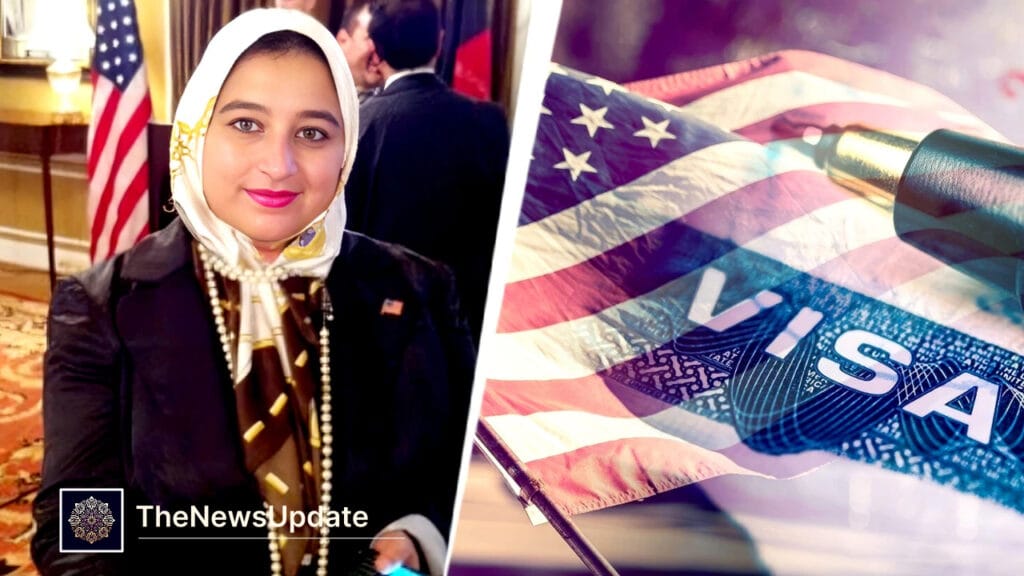
The phrase Indians using rishwat to game H-1B programme entered public discourse after Mahvash Siddiqui, an Indian-origin American diplomat, published a sharply worded commentary for the Centre for Immigration Studies.
Siddiqui alleged that the visa system has been routinely exploited by unqualified Indian applicants who rely on bribery, forged documents and inflated credentials to secure US entry.
यह भी पढ़े:
 Bulldozer Raj Karnataka Demolitions: Congress Govt Faces Backlash After 400 Muslims Left Homeless
According to her, the programme has effectively turned into a “de facto immigration shortcut” rather than a merit-based pathway for specialised talent.
She claimed that many applicants presenting themselves as computer science graduates lacked even basic programming skills and frequently failed elementary coding assessments.
Mahvash Siddiqui’s Claims From Chennai Posting
Siddiqui’s allegations draw heavily from her tenure as a junior visa officer at the US Consulate in Chennai, one of the busiest H-1B processing centres in the world.

She stated that during her service between 2005 and 2007, the Chennai consulate processed nearly one lakh H-1B applications annually — a figure she claims has now surged to more than 40 lakh per year.
In earlier remarks, she controversially described Chennai as the “H-1B fraud capital of the world,” citing what she called an industrialised ecosystem of document forgery.
According to Siddiqui, areas such as Ameerpet in Hyderabad openly sold fake degrees, forged bank statements, and counterfeit certificates, enabling underqualified candidates to bypass scrutiny.

She further alleged that corrupt HR officials, both in India and the United States, played a key role in facilitating fraudulent employment letters.
Impact on American Workers and US Tech Industry
One of the most contentious aspects of Siddiqui’s claims concerns the alleged displacement of American workers.
She argued that qualified US graduates in IT and STEM fields were often sidelined in favour of cheaper H-1B hires, many of whom lacked comparable training.
यह भी पढ़े:
 Canada Hospital Killed Indian-Origin Man: Wife Alleges Medical Negligence After 8-Hour Wait
In some cases, she alleged, American employees were even asked to train their replacements before being laid off.
Siddiqui also criticised what she described as insular hiring networks within US tech firms, where Indian managers allegedly prioritised applicants from similar backgrounds, discouraged whistleblowing and protected underperforming hires.
Beyond technology, she extended her criticism to the medical sector, alleging that some Indian medical graduates who entered US residency programmes via J-1 visas had benefited from bribery or affirmative action at home, raising concerns about skill parity.
Calls for Audit, Reform and Possible H-1B Pause
In her recommendations, Siddiqui called for sweeping reforms to the H-1B system.
Among her key proposals:
- Immediate pause on all new H-1B visa issuances
- Comprehensive audit of existing H-1B holders
- Stricter verification of academic credentials and skills
- Prioritisation of US STEM graduates where domestic talent exists
- Bans on nepotistic and chain hiring practices
- Expanded site inspections and tougher penalties for fraud
She argued that without drastic corrective measures, the integrity of the US immigration system would continue to erode.

Political and Diplomatic Fallout
The allegations come at a politically sensitive moment, as immigration once again emerges as a defining issue ahead of US elections.
While Siddiqui’s views have been welcomed by anti-immigration groups, they have also sparked backlash from Indian-American organisations and tech industry leaders, who argue that her claims unfairly stigmatise an entire community.
So far, there has been no official response from the US State Department distancing itself from her comments, though experts note that her views reflect those of the think tank rather than official US policy.
As debates intensify, the controversy surrounding Indians using rishwat to game H-1B programme is likely to fuel renewed calls for reform — and sharpen tensions around immigration, merit, and fairness in the global talent market.
Related Reads
By The News Update — Updated December 19, 2025