Google has announced that it will Google to Discontinue Dark Web Reports feature in February 2026, bringing an end to a service that alerted users when their personal data appeared in known dark web breaches. The company confirmed that scanning for new dark web leaks will stop earlier, on January 15, 2026, followed by the complete shutdown of the feature a month later.
The decision marks another shift in Google’s evolving approach to online privacy and user security. While the feature was introduced to raise awareness about compromised personal information, Google now says it is focusing on tools that offer clearer and more actionable ways for users to protect themselves.
Once the service is discontinued, all data linked to users’ dark web monitoring profiles will be permanently deleted. Google is also giving users the option to manually delete their data before the final shutdown.
What Were Google Dark Web Reports?
Google first introduced Dark Web Reports in March 2023 as part of its Google One subscription. The feature was designed to scan known dark web forums and breach repositories for personal information such as email addresses, passwords, phone numbers, and other sensitive details.
If a match was found, users received an alert explaining that their data may have been compromised in a breach. The idea was to help users stay informed about potential risks and take steps to secure their accounts.
In 2024, Google expanded Dark Web Reports beyond Google One subscribers, making the feature available to a wider audience. This move positioned it as a more mainstream privacy tool rather than a premium add-on.

Despite its broader availability, the feature had a relatively short lifespan, remaining active for just over two years before Google decided to shut it down.
When Will Dark Web Reports Be Shut Down?
According to Google’s support documentation, the shutdown will happen in two stages.
- Scanning for new dark web breaches will end on January 15, 2026.
- The Dark Web Reports feature will be fully discontinued on February 16, 2026.
On the final shutdown date, all associated user data will be permanently deleted from Google’s systems. After that point, users will no longer be able to access their dark web monitoring profile or receive alerts.

Google has emphasized that users do not need to take any action for their data to be removed automatically. However, those who prefer to manage their data earlier can delete their monitoring profile manually.
Why Google Is Discontinuing Dark Web Reports
Google says feedback played a major role in the decision to end the feature. While Dark Web Reports provided general information about data leaks, the company found that many users felt unsure about what steps to take after receiving an alert.
In a statement shared through its support pages, Google explained that the tool did not consistently provide “helpful next steps” for users trying to protect themselves after a breach.
यह भी पढ़े:
 Samsung Bixby Perplexity AI Integration: 7 Key Signs Samsung Is Reinventing Its Voice Assistant
Rather than maintaining a feature that primarily informs users of a problem, Google says it wants to focus on security tools that actively help users reduce risk and regain control of their personal information.
This shift reflects a broader trend in cybersecurity, where companies are moving away from passive alerts and toward tools that guide users through concrete actions.
How to Delete Your Dark Web Monitoring Profile
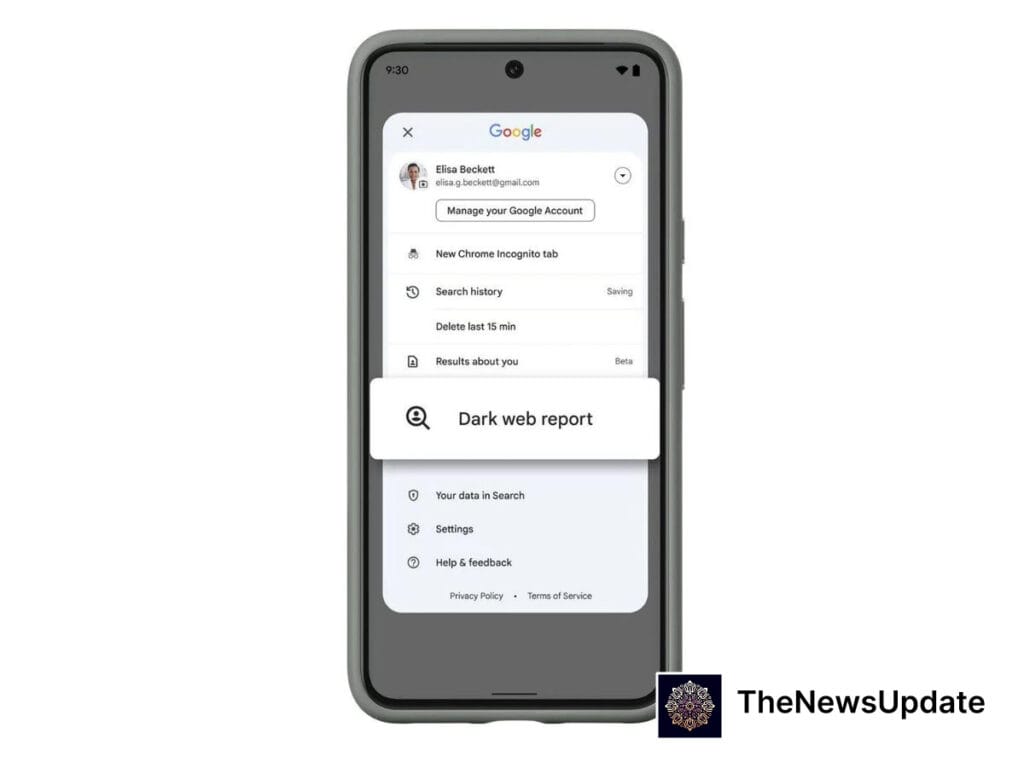
Users who want to remove their dark web monitoring profile before the shutdown can do so directly through their Google account.

The process is straightforward:
- Open your Google Account
- Go to the Dark Web Report page
- Select Edit monitoring profile
- Choose Delete monitoring profile
Once the profile is deleted, users will immediately lose access to Dark Web Reports and will no longer receive alerts related to dark web breaches.
Google notes that deleting the profile is permanent and cannot be undone.
यह भी पढ़े:
 New York Times Reporter, Authors Sue Google, OpenAI, Meta Over AI-Based Copyright Infringement
Privacy and Security Tools Google Recommends Instead
As it phases out Dark Web Reports, Google is encouraging users to rely on its existing privacy and security tools, which it says provide clearer protection and more actionable guidance.
One of the key tools Google highlights is Security Checkup. This feature walks users through a step-by-step review of their account security, including password strength, recovery options, and recent security activity.
Google is also pushing wider adoption of Passkeys, which allow users to sign in without traditional passwords. Passkeys rely on biometric authentication or device-based security, making them far more resistant to phishing attacks.

Another recommended tool is Google Password Manager, which helps users generate strong passwords, store them securely, and receive alerts if saved credentials are compromised.
Additionally, Google continues to promote the Results about you feature. This tool allows users to search for personal information such as phone numbers and home addresses in Google Search results and request removal where applicable.
Does This Mean Google Is Reducing Its Focus on Privacy?
Despite shutting down Dark Web Reports, Google insists that it remains committed to protecting users from online threats.
यह भी पढ़े:
 Indie Band Claims AI Stole Their Billie Eilish Cover, Raising Fresh Fears Over Music Copyright
The company says it will continue to monitor emerging risks and invest in tools that help users stay safe across its services. Rather than duplicating features that already exist elsewhere, Google appears to be streamlining its privacy offerings.
From a strategic perspective, consolidating tools may also reduce confusion. Instead of juggling multiple security features, users are encouraged to rely on a smaller set of more comprehensive protections.
This approach aligns with Google’s broader efforts to make security more user-friendly, especially for people who may not have deep technical knowledge.

What This Means for Everyday Users
For most users, the discontinuation of Dark Web Reports will not result in an immediate loss of protection. The feature primarily served as an informational alert system rather than a defensive mechanism.
However, users who relied on dark web alerts as a reminder to update passwords or review account security may need to adopt new habits.
Google’s recommended tools, such as Security Checkup and Password Manager, offer more direct ways to reduce risk — but they require active engagement from users.

The shift places more responsibility on individuals to regularly review their account security rather than waiting for alerts.
Google’s History of Shutting Down Products
Dark Web Reports now joins a long list of Google products that were launched, expanded, and eventually discontinued.
While the company is known for innovation, it is equally known for retiring services that do not align with long-term strategy or user expectations.
यह भी पढ़े:
 Huawei Watch 10th Anniversary Edition Launched: Price, Features, and What Makes It Special
In this case, Dark Web Reports existed for just over two years, which is relatively short even by Google’s standards. Its shutdown highlights how quickly privacy tools must evolve to remain relevant.
As cyber threats become more sophisticated, simple monitoring tools may no longer be sufficient.
The Bigger Picture: Privacy in 2026 and Beyond
Google’s decision reflects a broader shift in how major tech companies think about privacy and security.

Instead of simply notifying users when something goes wrong, platforms are increasingly expected to help prevent breaches in the first place.
Passkeys, automated security checks, and proactive account protection are becoming the new standard.
As artificial intelligence and large-scale data breaches continue to reshape the internet, user education and built-in safeguards will play a bigger role than standalone alert systems.

Final Thoughts
Google discontinuing Dark Web Reports in February 2026 marks the end of a short-lived experiment in breach monitoring. While the feature helped raise awareness, Google believes its future lies in tools that provide stronger, more practical protection.
For users, the change is a reminder that staying secure online requires ongoing attention, not just alerts. By using Google’s existing privacy and security tools, users can continue to protect their accounts even without dark web monitoring.
As the internet evolves, so too will the methods companies use to safeguard personal information — and Google’s latest move signals where that future is headed.

For continued updates on India’s fintech and digital finance developments, visit our Tech News section and The News Update.

By The News Update— Updated 16 December 2025