Table of Contents
- Background: The H-1B Program and Trump’s Second Term
- The $100,000 H-1B Fee Hike Explained
- Why 20 States Filed the Lawsuit
- Legal Arguments Against the Fee Hike
- Impact on Employers and Public Services
- Political Reactions and Immigration Debate
- What Happens Next?
Background: The H-1B Program and Trump’s Second Term
The H-1B visa program has long served as a crucial pathway for American employers to hire skilled foreign professionals in specialty occupations such as technology, healthcare, education, and scientific research.
Under President Donald Trump’s second term, immigration policies have once again become a major source of political and legal conflict. Since taking office in January, the administration has faced repeated legal challenges from Democratic-led states over executive actions related to immigration.
यह भी पढ़े:
 Osman Hadi Killers Fled to India via Meghalaya Border: Dhaka Police Reveal Shocking Escape Route
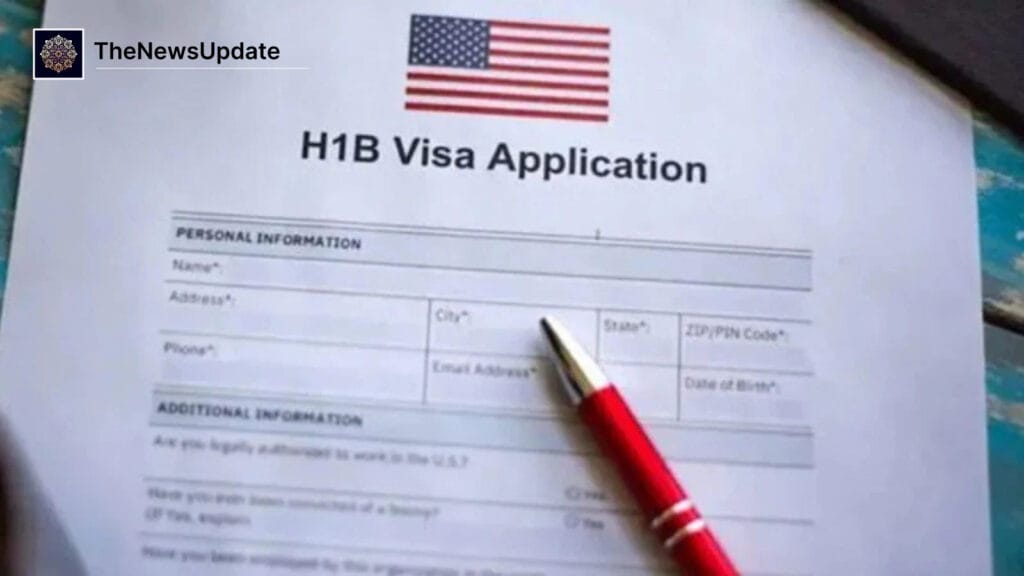
The latest dispute centers on the H-1B fee hike lawsuit against the Trump administration, which challenges a dramatic increase in visa application costs that critics say threatens essential public services.
The $100,000 H-1B Fee Hike Explained
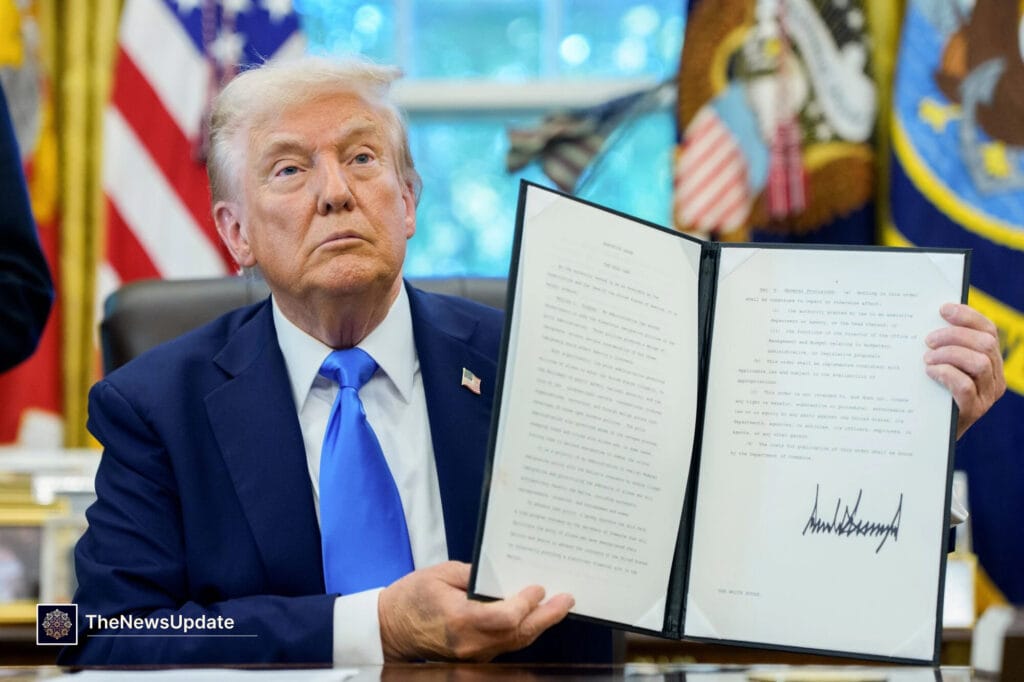
In September 2025, the Trump administration increased the fee for new H-1B visa applications to $100,000, marking one of the most significant changes to the program in its history.
Previously, employers filing an H-1B petition typically paid between $960 and $7,595 in combined statutory and regulatory fees. The sudden increase, state officials argue, bears no reasonable connection to the actual cost of processing applications.
यह भी पढ़े:
 Bulldozer Raj Karnataka Demolitions: Congress Govt Faces Backlash After 400 Muslims Left Homeless
Supporters of the move claim the fee hike will discourage overreliance on foreign labor and encourage domestic hiring. Opponents counter that it functions as a financial barrier rather than a workforce solution.
Why 20 States Filed the Lawsuit
California, along with 19 other states including New York, Illinois, and Massachusetts, has filed a lawsuit challenging the new policy.
California Attorney General Rob Bonta announced the legal action, warning that the $100,000 H-1B fee could cause severe staffing shortages across critical sectors.

- Public school teachers and university faculty
- Doctors, nurses, and medical researchers
- Government and nonprofit professionals
Bonta stated that the policy could endanger the ability of states to deliver essential services, particularly in healthcare and education.
Legal Arguments Against the Fee Hike
The lawsuit alleges that the Department of Homeland Security exceeded its authority by imposing the fee without congressional approval.
According to the filing, the H-1B fee hike violates the Administrative Procedure Act by bypassing the required notice-and-comment rulemaking process.

The states argue that Congress intended H-1B fees to cover administrative costs, not to serve as punitive economic barriers.
“No president can destabilize our schools, hospitals, and universities on a whim,” Bonta said during a press briefing.
Impact on Employers and Public Services
The impact of the fee hike would be felt most acutely by public-sector employers and nonprofit institutions.
यह भी पढ़े:
 Canada Hospital Killed Indian-Origin Man: Wife Alleges Medical Negligence After 8-Hour Wait
According to the states, potential consequences include:
- Unfilled teaching and faculty positions
- Reduced staffing in hospitals and clinics
- Delays in medical and scientific research
- Higher education costs for students
Immigration experts also warn that the policy could make the United States less attractive to global talent, particularly professionals from countries like India.
Political Reactions and Immigration Debate
The H-1B fee hike lawsuit against the Trump administration reflects broader ideological divisions over immigration policy.

Democratic leaders argue that the administration is attempting to restrict legal immigration through executive action rather than legislation. Republican allies maintain that the policy protects American workers.
This is not the first legal challenge to the fee hike. Earlier lawsuits were filed by the US Chamber of Commerce and a coalition of employers, labor unions, and religious organizations.
What Happens Next?
The case will be heard in a Massachusetts federal court, with California Attorney General Rob Bonta and Massachusetts Attorney General Joy Campbell leading the coalition.

If the court issues an injunction, the fee hike could be temporarily blocked while the case proceeds. A final ruling could set an important precedent on executive authority over immigration policy.
The outcome of the H-1B fee hike lawsuit against the Trump administration may shape the future of employment-based immigration in the United States.
Related Reads
By The Morning News Informer — Updated December 13, 2025