Table of Contents
- Background on Trump’s Economic Messaging
- Trump’s Pennsylvania Rally: Key Highlights
- Public Reactions and Economic Concerns
- Economic Data and Analysis
- Trump’s Policy Initiatives for Affordability
- Conclusion: Outlook for Americans and 2026 Midterms
Background on Trump’s Economic Messaging
President Donald Trump recently reignited his economic messaging with the slogan “Trump Make America Affordable Again”, signaling a renewed focus on the cost of living for everyday Americans. The announcement came amid growing concerns over inflation, housing costs, childcare, and healthcare, which have increasingly affected household budgets across the United States. While some prices, such as fuel and eggs, have declined slightly, many Americans continue to struggle with rising grocery bills and the broader economic challenges.
Trump’s emphasis on affordability also comes as Democrats have leveraged economic dissatisfaction in recent state and city elections, creating pressure on Republicans ahead of next year’s midterm elections. The president’s campaign-style rallies, beginning with Pennsylvania, are part of a strategy to directly address voter concerns and position himself as a champion of financial relief for the American people.

Trump’s Pennsylvania Rally: Key Highlights
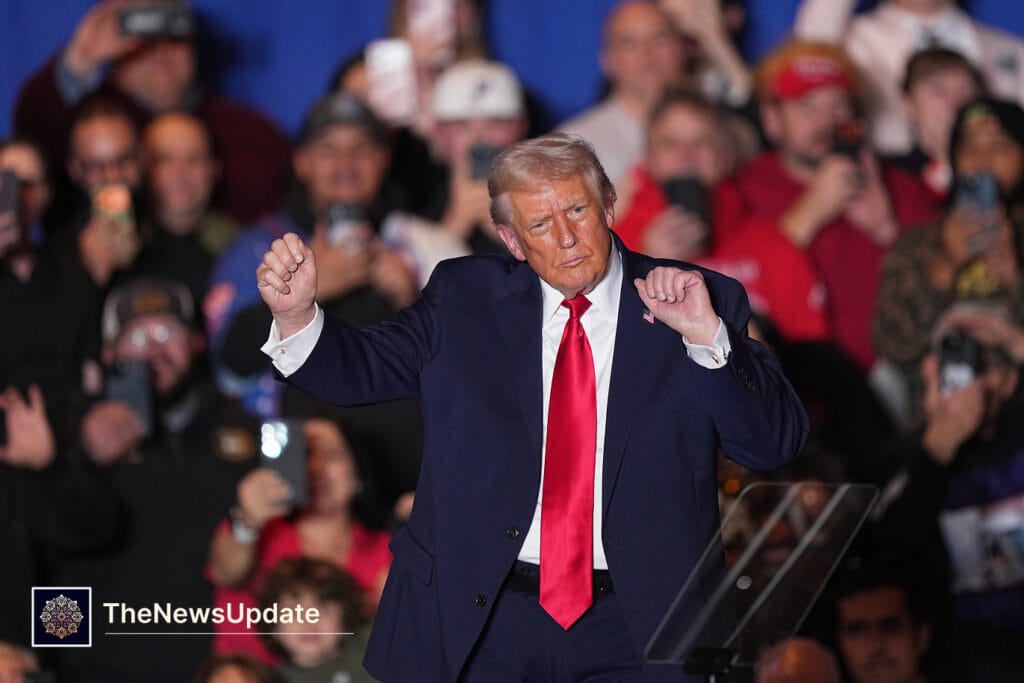
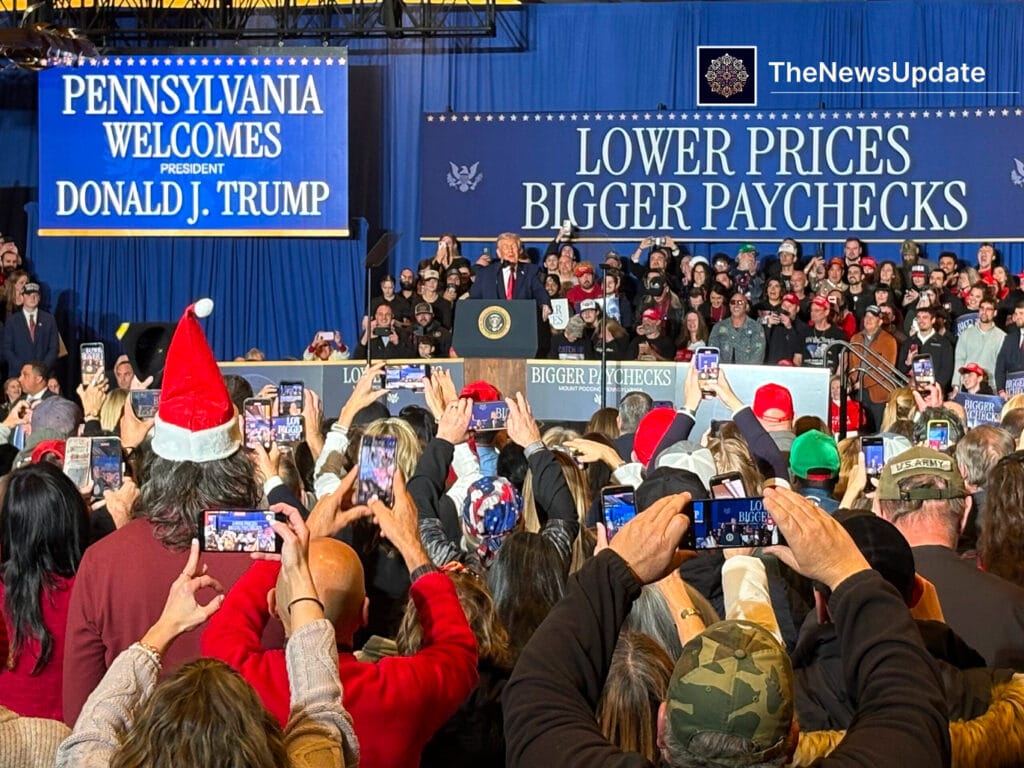
At a casino in a swing district of Pennsylvania, Trump addressed a crowd of supporters and reiterated his commitment to making the country more affordable. He stated, “I have no higher priority than making America affordable again,” reinforcing the central theme of his economic message. Throughout the rally, Trump highlighted several measures aimed at reducing everyday costs, including removing tariffs on dozens of food products, rolling back fuel efficiency standards, and introducing Trump-branded retirement accounts for children.
Trump also downplayed concerns over economic difficulties by framing them as a Democratic “hoax.” He criticized the policies of former President Joe Biden and blamed the Federal Reserve’s interest rates for the ongoing economic pain. Despite some public skepticism, Trump’s messaging appears to resonate with a segment of voters, as evidenced by a three-point rise in his approval rating to 41% in a new Reuters/Ipsos poll.
Public Reactions and Economic Concerns
While some Americans continue to support Trump’s economic policies, many remain concerned about affordability. Alaina Hunt, 37, from Oklahoma City, described losing her job partly due to tariffs on steel and aluminum and struggling with rising grocery bills. She highlighted how her weekly expenses increased by approximately $25, making it harder to manage day-to-day costs despite wage growth over the past five years.

Similarly, Beth Richardson, a 45-year-old sales support worker from Kansas, expressed frustration over skyrocketing grocery prices, citing an incident where a simple pack of Mentos gum cost nearly $5. She blamed tariffs and policy choices for contributing to rising costs, highlighting the broader challenge of making life affordable for average Americans.
Despite these concerns, Trump retains support among long-time voters. John Mohring, a 60-year-old construction worker from Wisconsin, continues to back Trump, even while paying $100 per week on groceries for himself alone. Farmers like Brad Smith from north-western Illinois also continue to support the president, recognizing policy measures like a $12 billion aid package for farmers as beneficial, despite the earlier trade disruptions with China.
Economic Data and Analysis
The broader economic picture shows a mix of optimism and caution. Inflation remains at 3%, still above the Federal Reserve’s target of 2%, but down from a peak of 9.1% under the previous administration. Consumer confidence fell in November to its lowest level since the spring, signaling persistent concern among Americans about the economy’s trajectory. Meanwhile, stock markets hover near record highs, and economic expansion is expected at 1.9% this year, slightly slower than last year’s 2.8%, but still better than many analysts predicted.

Labor market data indicates a potential rebound following an earlier slowdown in hiring. While some sectors, particularly construction and manufacturing, were heavily impacted by tariffs, there are early signs of recovery. Trump’s emphasis on affordability highlights his attempt to leverage these mixed signals to reassure voters ahead of next year’s elections.
Trump’s Policy Initiatives for Affordability
As part of the “Trump Make America Affordable Again” plan, the president has introduced a series of measures targeting the cost of living:
- Tariff Removal: Tariffs on dozens of food products have been removed to reduce grocery costs.
- Fuel Standards Rollback: Easing fuel efficiency regulations to lower transportation expenses.
- Trump-Branded Retirement Accounts: Savings initiatives aimed at providing financial relief for children and families.
- Farmer Aid Package: A $12 billion package designed to support agricultural producers affected by trade disruptions.
- Trade Policies: Maintaining tariffs on imports to generate revenue, while negotiating deals to stabilize markets.
These initiatives are intended to appeal to both rural and urban voters who have felt the pinch of rising prices, particularly in essential sectors like food, housing, and energy. Trump’s messaging emphasizes a return to “America First” economic policies, with affordability positioned as the centerpiece of his economic vision.

Conclusion: Outlook for Americans and 2026 Midterms
The rally in Pennsylvania demonstrates Trump’s strategic focus on affordability as a key campaign message. While economic indicators present a nuanced picture — with inflation slowing but prices still rising over five years — the president seeks to reassure voters that lowering the cost of living is his top priority. Mixed public reactions show both optimism among supporters and skepticism among those most affected by rising costs.
As the 2026 midterms approach, Trump Make America Affordable Again serves as a unifying slogan to galvanize Republican voters while directly addressing economic concerns. Success will depend on the tangible impact of policy measures, public perception, and the administration’s ability to communicate progress on affordability to a diverse electorate.
Related Reads
By The Morning News Informer — Updated December 10, 2025