Table of Contents
- Introduction: Why Android 16 QPR2 Matters
- What Is Android 16 QPR2?
- Why Google Is Changing the Release Rhythm
- Key Features in Android 16 QPR2
- Impact for Developers and OEMs
- What This Means for Users
- Rollout Plan and Compatibility
- Challenges and Risks
- Conclusion: Faster Updates, Better Ecosystem
Introduction: Why Android 16 QPR2 Matters
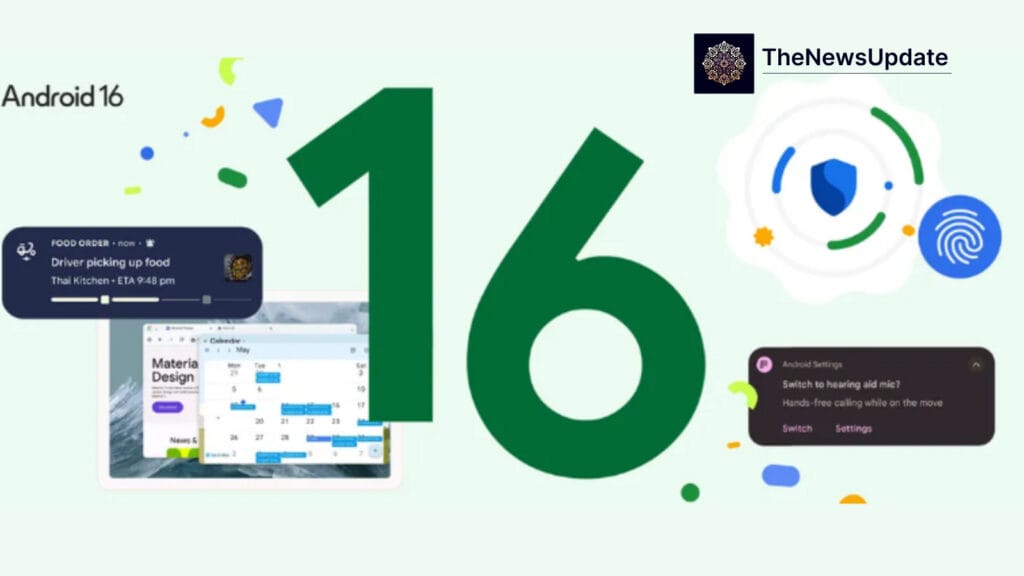
The Android 16 QPR2 update marks a pivotal change in Google’s approach to platform releases. Instead of the traditional once-a-year major release followed by infrequent updates, Google is moving toward a cadence that favours smaller, more frequent drops. This shift aims to reduce the long waits many users of non-Pixel phones have endured for new features and security enhancements.
For years, Pixel devices served as the launchpad for new Android versions, with other manufacturers needing months to adapt and ship features to their own devices. Android 16 QPR2 signals that Google wants to shorten that delay by offering biannual SDK updates and quarterly feature drops — a model designed to help OEMs, app developers, and end users stay closer to the platform’s cutting edge.
What Is Android 16 QPR2?
Android 16 QPR2 (Quarterly Platform Release 2) is the second scheduled feature drop and maintenance release for Android 16. Rather than being a monolithic overhaul, QPR2 bundles a curated set of feature refinements, stability fixes, and developer-facing SDK updates. The emphasis is on rapid, targeted improvements that can be adopted more quickly by third-party phone makers.
Technically, QPR2 includes API updates for developers, bug fixes for the system and core apps, and optional features that manufacturers can enable. Some of the highlights overlap with Google’s broader strategy: improved notification controls, enhanced theming and icon options, updated forced dark mode behavior, and new parental-control integrations aimed at families Android 16 QPR2 update.
Why Google Is Changing the Release Rhythm
There are several forces pushing Google to abandon the slow, annual-only cycle. First, the smartphone market is more competitive and fast-paced than ever — users expect constant improvements. Second, developers are less likely to use new APIs if too few devices support them. Finally, OEMs complain that the previous cycle left insufficient time to integrate new features for synchronized launches.

By moving to biannual SDKs and quarterly feature drops, Google hopes to:
- Lower the barrier for OEMs to adopt new features by giving them predictable, smaller updates.
- Encourage developers to use fresh APIs, since broader device support will arrive sooner.
- Reduce fragmentation by narrowing the functional gap between Pixel and third-party phones.
Put simply: the Android 16 QPR2 update is part of a push to make Android feel less fragmented and more cohesive across brands.
Key Features in Android 16 QPR2
Android 16 QPR2 introduces several user-facing and developer-facing enhancements. Below are the most notable changes users should expect to see rolling out to a wider range of devices.

Improved Notification Tools
Notifications receive two AI-powered additions: a notification summariser that condenses long message threads into short, readable summaries, and an organiser that sorts low-priority alerts into a separate bucket. These features aim to reduce noise while keeping important updates visible.
Expanded Icon and Theme Options
QPR2 expands customization by adding more icon shape choices and improving the consistency of themed icons across apps. This addresses a long-standing complaint that icons from different developers can look visually inconsistent on themed home screens.
Forced Dark Mode Enhancements
Forced dark mode has been updated to darken more areas of apps while preserving contrast and accessibility. The goal is a smoother appearance system-wide and potential battery savings on OLED displays.
यह भी पढ़े:
 Samsung Bixby Perplexity AI Integration: 7 Key Signs Samsung Is Reinventing Its Voice Assistant
Parental Controls Hub
A new parental controls hub brings Family Link features directly into the child’s device settings, simplifying management for parents and centralising controls such as screen time limits, content filters, and app approvals.
Developer SDK Upgrades
Security and performance improvements to the SDK make it easier for app developers to ship features that take advantage of QPR2 capabilities without waiting months for broad device adoption.
Impact for Developers and OEMs
Developers benefit from more predictable and frequent API releases. A biannual SDK cadence means less catching up when a large new version drops; instead, developers receive incremental updates that can be adopted over time. This predictability encourages experimentation and faster adoption of new platform capabilities.

OEMs (Original Equipment Manufacturers) stand to gain the most. Smaller, scheduled releases reduce the integration burden and allow manufacturers to plan feature support into their release cycles more effectively. The result should be faster feature parity between Pixel phones and other brands, narrowing the time-to-market gap.
From a technical standpoint, QPR2’s modular design helps OEMs pick which features to enable based on hardware, market segment, or regional requirements — a critical flexibility for global manufacturers.
What This Means for Users
The most immediate benefit for smartphone users is access. Under the new schedule, non-Pixel phones should see important features and fixes appear sooner. Users no longer need to wait half a year (or longer) to get key improvements introduced on Pixel devices.
यह भी पढ़े:
 New York Times Reporter, Authors Sue Google, OpenAI, Meta Over AI-Based Copyright Infringement
Practical user benefits include:
- Sooner access to privacy and security updates.
- Faster rollout of quality-of-life features like notification summaries and themed icons.
- Potentially better battery life through system optimisations included in smaller releases.
- More consistent app behavior across brands, as developers lean into newer APIs.
It’s worth noting that rollout timing will still vary by brand and carrier, but the overall window between feature announcement and widespread availability should narrow significantly.
Rollout Plan and Compatibility
Google’s plan pairs biannual SDK releases with quarterly feature drops like the Android 16 QPR2 update. In practice, that means:

- Major Android versions continue to arrive but on an accelerated schedule.
- Two SDK updates a year provide the technical foundation for OEMs and developers.
- Quarterly QPR drops introduce new features and fixes that manufacturers can opt to include in their builds.
Compatibility will depend on OEM readiness. High-end flagships and newer mid-range devices are likely to receive QPR2 features first, with older or budget models seeing a staggered rollout. Google is also working with chip partners to ensure SoC-level support where required.
If you rely on a specific phone model, check the manufacturer’s update roadmap or support pages to confirm timing. In many cases, brands will announce when they plan to bring QPR2 features to particular devices.
Challenges and Risks
While the faster cadence promises many benefits, it also introduces challenges:
यह भी पढ़े:
 Indie Band Claims AI Stole Their Billie Eilish Cover, Raising Fresh Fears Over Music Copyright
- Testing complexity: More frequent updates require robust testing from OEMs and carriers to avoid introducing regressions.
- Fragmentation risk: If manufacturers selectively adopt features, the ecosystem could still fragment on capabilities rather than OS versions.
- Carrier delays: In regions where carriers gate updates, releases may still be slowed by certification processes.
- User confusion: Consumers may face uncertainty about which features they have until OEMs clearly communicate rollouts.
These risks aren’t new, but they become more acute with a higher release frequency. Successful rollout will depend on coordination between Google, OEMs, carriers, and app developers.
Conclusion: Faster Updates, Better Ecosystem
The Android 16 QPR2 update is more than a set of features — it’s a statement of intent. Google is acknowledging that the old cadence left too many users waiting and developers hesitant to adopt new APIs. By shifting to a rhythm of biannual SDKs and quarterly feature drops, the company aims to reduce delays, improve parity between Pixel and non-Pixel phones, and encourage a healthier app ecosystem.
For users, this should translate into quicker access to useful features, more timely security patches, and a smoother Android experience across brands. For developers and OEMs, the new model offers predictability and the chance to roll out improvements in manageable stages. The transition won’t be without challenges, but Android 16 QPR2 is a significant step toward a more responsive, less fragmented platform.


Related Reads
For continued updates on India’s fintech and digital finance developments, visit our Tech News section and The News Update.
By The News Update— Updated Dec 3, 2025