Delhi acute respiratory illness cases
Table of Contents
- Toxic Air and Public Health: A Crisis Deepening in Indian Metro Cities
- Government Data Reveals 2 Lakh+ ARI Cases in Delhi
- Doctors Warn: Severe Pollution is Triggering Dangerous Respiratory Flare-Ups
- Delhi’s Year-Wise Breakdown of Respiratory Illness Cases
- Mumbai and Chennai Show Alarming Rise
- What Are Acute Respiratory Illnesses?
- Why India’s Toxic Air Is Making Respiratory Illnesses Worse
- Doctors Issue Grim Warning for Coming Years
- Conclusion: Without Cleaner Air, India’s Hospitals Will Stay Overwhelmed
Toxic Air and Public Health: A Crisis Deepening in Indian Metro Cities
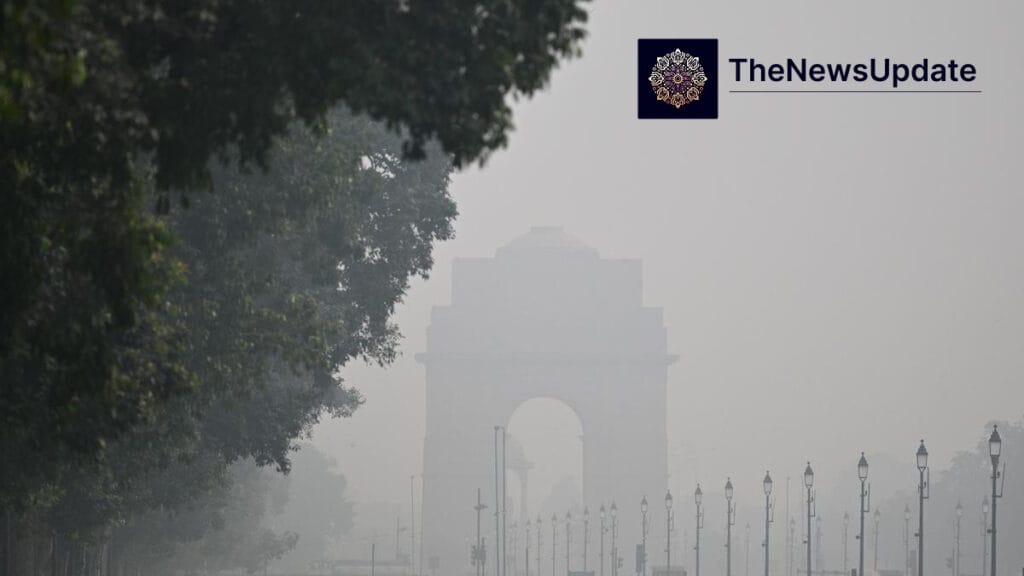
India’s largest metro cities — Delhi, Mumbai and Chennai — are battling a severe public health emergency driven by toxic air pollution Delhi acute respiratory illness cases
. New government data reveals that over 2 lakh acute respiratory illness cases have been recorded in Delhi alone between 2022 and 2024.
Hospitals in major cities are witnessing long queues of patients suffering from breathing difficulty, severe cough, wheezing, chest tightness, and dangerously low oxygen levels on days when pollution spikes.
यह भी पढ़े:
 Osman Hadi Killers Fled to India via Meghalaya Border: Dhaka Police Reveal Shocking Escape Route
The Ministry of Health has officially acknowledged that air pollution is a major triggering factor for acute respiratory illnesses (ARI), which are now overwhelming hospitals.
Government Data Reveals Over 2 Lakh ARI Cases in Delhi
The alarming figures were shared by the Ministry of Health in the Rajya Sabha in response to a question from MP Dr. Vikramjit Singh Sahney.
According to data collected by the National Centre for Disease Control (NCDC), six central government hospitals in Delhi recorded:
यह भी पढ़े:
 Bulldozer Raj Karnataka Demolitions: Congress Govt Faces Backlash After 400 Muslims Left Homeless
- 67,054 ARI cases in 2022 with 9,878 admissions
- 69,293 ARI cases in 2023 with 9,727 admissions
- 68,411 ARI cases in 2024 with 10,819 admissions
While total cases slightly dipped in 2024, hospitalisations have jumped to their highest. This means more people are becoming seriously ill, not fewer.
The Ministry highlighted that respiratory crises are linked strongly with PM2.5 pollution, nitrogen dioxide exposure, industrial emissions, and construction dust.
Doctors Warn: Severe Pollution is Triggering Dangerous Respiratory Flare-Ups
Doctors across Delhi say the surge in cases of cough, fever, wheezing, and breathlessness aligns closely with spikes in toxic air Delhi acute respiratory illness cases.

Internal medicine specialist Dr. Suranjit Chatterjee (Indraprastha Apollo Hospital) reported:
“In the past two years, we have seen an almost doubling of outpatient consultations and hospitalisations for acute respiratory illness. This is not just seasonal flu. It’s directly related to how pollution is reshaping respiratory health.”
Prolonged exposure to toxic air is weakening the lungs of both children and adults, making them extremely vulnerable to severe infections.

Delhi’s Year-Wise Breakdown of Respiratory Illness Cases
The capital remains at the epicentre of India’s air pollution crisis. The Delhi acute respiratory illness cases data highlights a worrying trend:
| Year | Total ARI Cases | Hospital Admissions |
|---|---|---|
| 2022 | 67,054 | 9,878 |
| 2023 | 69,293 | 9,727 |
| 2024 | 68,411 | 10,819 |
Despite similar case numbers, 2024 saw the highest number of severe cases requiring admission — a sign the toxicity of Delhi’s air is worsening the intensity of illnesses.
Mumbai and Chennai Show Alarming Rise
This crisis is not limited to the national capital. Other metros are also witnessing sharp increases in acute respiratory illnesses.
यह भी पढ़े:
 Canada Hospital Killed Indian-Origin Man: Wife Alleges Medical Negligence After 8-Hour Wait
🔸 Chennai
Rajiv Gandhi Government General Hospital and Stanley Medical College reported:
- 1,647 ARI cases (563 admissions) in 2023
- 1,502 ARI cases (324 admissions) in 2024
🔸 Mumbai
Mumbai recorded a devastating rise:
- 921 cases (31 admissions) in 2023
- 1,969 cases (474 admissions) in 2024
This is more than a fivefold surge in hospitalisations. Experts blame construction dust, vehicular emissions, and worsening winter smog.
What Are Acute Respiratory Illnesses?
Acute Respiratory Illness (ARI) covers a wide range of infections and respiratory conditions, including:
- Influenza
- RSV (Respiratory Syncytial Virus)
- Adenovirus infections
- Pneumonia
- Bronchiolitis
- Asthma flare-ups
- COPD exacerbations
Doctors warn that air pollution weakens respiratory immunity, making these conditions more frequent and more severe.
Why India’s Toxic Air Is Making Respiratory Illnesses Worse
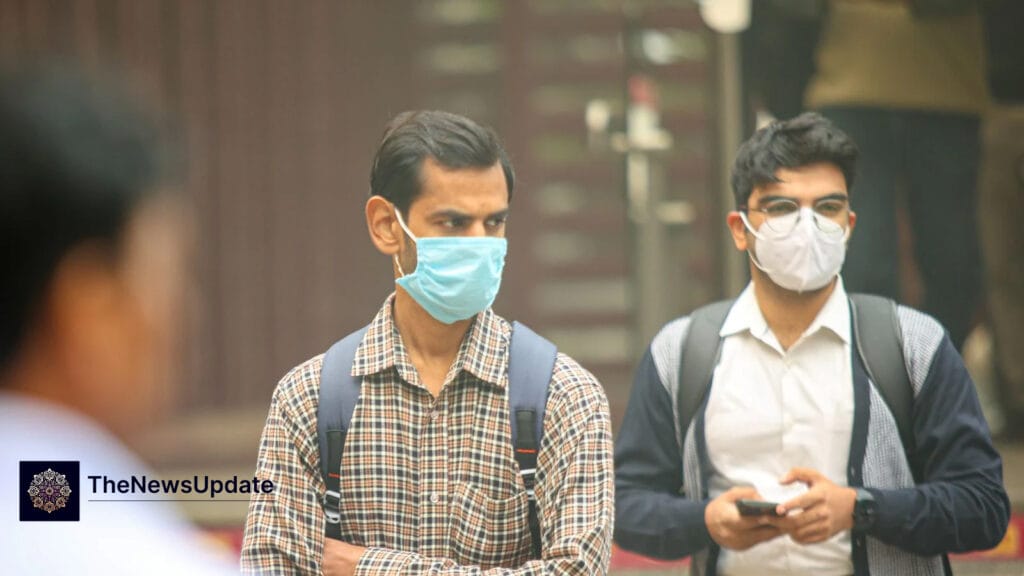
Pollution levels in India are among the highest in the world. WHO studies show that long-term exposure to PM2.5 increases the risk of severe respiratory infections, cardiovascular diseases, and premature death.

Key pollutants worsening respiratory health include:
- PM2.5 — enters the bloodstream
- Nitrogen Dioxide — irritates lung tissue
- Sulphur dioxide — triggers bronchospasm
- Ozone — increases asthma attacks
Doctors report that people with asthma, COPD, heart disease, and weakened immunity are the worst affected.
Doctors Issue Grim Warning for Coming Years
“Unless air quality improves, the surge in severe respiratory illness will continue its steep upward curve.” — Dr. Chatterjee

The rise in Delhi acute respiratory illness cases is not an isolated phenomenon — it is part of a nationwide pattern.
Emergency rooms are reporting:
- More children with chronic cough
- More elderly patients with breathlessness
- More oxygen support cases on smog-heavy days
- More repeat admissions due to long-term lung damage
India’s healthcare system is feeling the strain, especially during peak pollution months (October–January).

Conclusion: Without Cleaner Air, India’s Hospitals Will Stay Overwhelmed
The data is clear: 2 lakh+ respiratory illness cases in Delhi signal a severe public health disaster driven by toxic air.
With similar patterns emerging in Mumbai, Chennai, Kolkata, Bengaluru and other cities, India is heading toward an unprecedented respiratory health burden.
Urgent steps — from stricter pollution control to better city planning — are needed to prevent the worsening crisis.

For more national health and environment stories, read our latest coverage here: India News and The News Update.
Read WHO’s latest report on air pollution and health impacts: WHO – Air Pollution and Health