Table of Contents
- Background: Rising Tensions Between Pakistan and Afghanistan
- Trade Crisis Unfolds: Halted Borders and Economic Fallout
- Sectoral Impact on Pakistan’s Economy
- Political Reactions and Regional Implications
- Afghanistan’s Alternative Trade Strategies
- Local Backlash in Khyber Pakhtunkhwa
- Conclusion: Future Outlook and Economic Recovery
Background: Rising Tensions Between Pakistan and Afghanistan
The Pakistan-Afghanistan trade war has intensified following Islamabad’s decision to halt cross-border trade, a move that Defence Minister Khwaja Asif described as a “blessing in disguise.” However, the halt has quickly shown adverse effects on Pakistan’s fragile economy, while Afghanistan is exploring new trade partners to bypass Islamabad.
Tensions escalated after a brief border clash and mass expulsion of Afghan nationals during harsh winter months. DG ISPR Lieutenant General Ahmed Sharif Chaudhry famously stated that “blood and business cannot go together,” warning Afghanistan of serious consequences. Ironically, this approach has backfired, affecting Pakistan more than the Afghan economy. Bilateral relations have sunk to an all-time low, with trade and political disputes now at the forefront of regional instability.

Trade Crisis Unfolds: Halted Borders and Economic Fallout
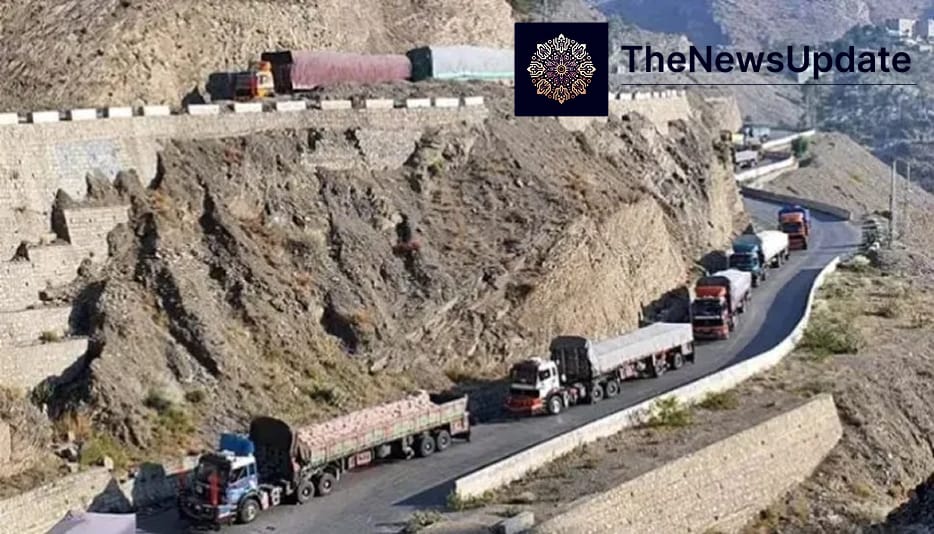
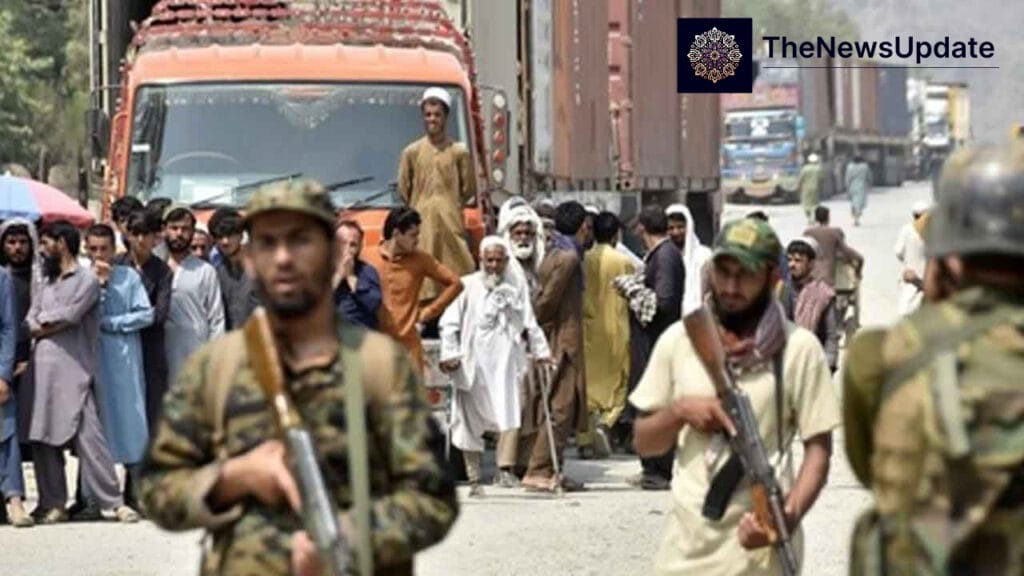
The trade closure, implemented on October 11, led to a severe bottleneck at key border points like Torkham. Reports indicate hundreds of trucks laden with goods stranded in long queues, delaying exports and imports crucial for both nations.
Afghanistan, despite being one of the world’s poorest countries with a GDP per capita of just $434, adapted quickly. Trade routes through Iran, India, and Central Asia were activated, allowing Kabul to maintain commerce while Pakistan faced the brunt of the shutdown. Pakistani industries, heavily reliant on cross-border trade, began experiencing disruptions almost immediately.
According to Dawn, Pakistan’s export, manufacturing, and transit sectors suffered significant losses. Social media reports highlighted piles of unsold produce in Pakistani mandis, indicating a supply-demand imbalance triggered by the border closures.

Sectoral Impact on Pakistan’s Economy
The halt in trade has rippled across multiple industries in Pakistan, including cement, coal, pharmaceuticals, and agriculture:
- Cement & Coal: Afghan coal imports, previously used by Pakistani cement manufacturers, ceased. Alternative coal sources from South Africa, Indonesia, and Mozambique are significantly costlier, pushing local production costs upward. Coal prices jumped from PKR 30,000–32,000 to PKR 42,000–45,000 per tonne.
- Pharmaceuticals: Exports of medicines, previously worth approximately US$187 million annually to Afghanistan, are now stuck. Many consignments cannot enter domestic markets due to registration restrictions, leaving producers with unsold stock and mounting losses.
- Agriculture & Perishables: Fruits and vegetables destined for Afghan markets have been destroyed or left stranded, while prices for imported produce within Pakistan have surged. Traders and transport workers face mounting financial stress.
- Revenue & Customs: Tax collection from transit duties and customs has fallen sharply, depriving Pakistan of crucial foreign reserves amid an already fragile economy.
Political Reactions and Regional Implications
Pakistan’s Foreign Minister and Deputy Prime Minister Ishaq Dar confirmed that the United Nations urged Islamabad to reconsider the trade closure. He has stated plans to discuss the issue with Prime Minister Shehbaz Sharif and Army Chief Asim Munir. Meanwhile, Pakistani businessmen have lobbied political leaders like Maulana Fazlur Rehman to restore trade links, highlighting severe financial losses during the 45-day border shutdown.
The standoff has further strained Pakistan-Afghanistan relations, which have been deteriorating since the Taliban’s 2021 takeover. Past Pakistani airstrikes against TTP hideouts in Afghanistan, mutual accusations of harboring terrorists, and failed peace talks have deepened mistrust. Analysts at the Observer Research Foundation (ORF) note that terrorist incidents and border closures have increased regional instability.

Afghanistan’s Alternative Trade Strategies
In response to Pakistan’s restrictions, the Taliban regime is diversifying trade and seeking alternative partners. Recent delegations to India, led by Minister of Industry and Commerce Alhaj Nooruddin Azizi, indicate Kabul’s intent to strengthen economic ties outside Pakistan. Iran, Turkey, and Central Asian republics have also emerged as viable routes for Afghan commerce. The Taliban are actively encouraging traders to bypass Pakistan, warning that Islamabad’s cooperation cannot be relied upon in future transactions Pakistan-Afghanistan trade war.
Local Backlash in Khyber Pakhtunkhwa
Ethnic Pashtun communities in Khyber Pakhtunkhwa (KP) have voiced outrage against Islamabad’s trade ban. Business leaders, transporters, and chambers of commerce demanded the immediate reopening of crossings during a jirga at Bacha Khan Markaz. They argue that local businesses have lost trillions of rupees, while federal policies show a double standard by allowing trade with India amid strained relations but blocking Afghan trade.
ANP leaders and KP businessmen emphasize the need to protect economic rights of Pakhtuns and restore cross-border commerce. Many warn that prolonged closures threaten small traders’ livelihoods, transport workers’ income, and labour employment, further destabilizing the regional economy.

Conclusion: Future Outlook and Economic Recovery
The Pakistan-Afghanistan trade war illustrates how economic decisions driven by political and security considerations can backfire. While Pakistan intended to curb cross-border terrorism, its manufacturing, export, and revenue sectors are suffering the consequences. Afghan efforts to diversify trade highlight Islamabad’s growing vulnerabilities and the importance of regional cooperation.
Looking ahead, resolving the trade crisis requires diplomatic dialogue, confidence-building measures, and gradual reopening of key border points. Failure to address these economic disruptions could deepen local grievances, strain national revenues, and allow Afghanistan to permanently pivot towards alternative trade partners. For Pakistan, balancing security concerns with economic stability is now a pressing challenge.
Related Reads
- Pakistan Economy Update: Key Developments in 2025
- Afghanistan’s Growing Trade Ties with India and Iran
By The News Update — Updated 1 December 2025