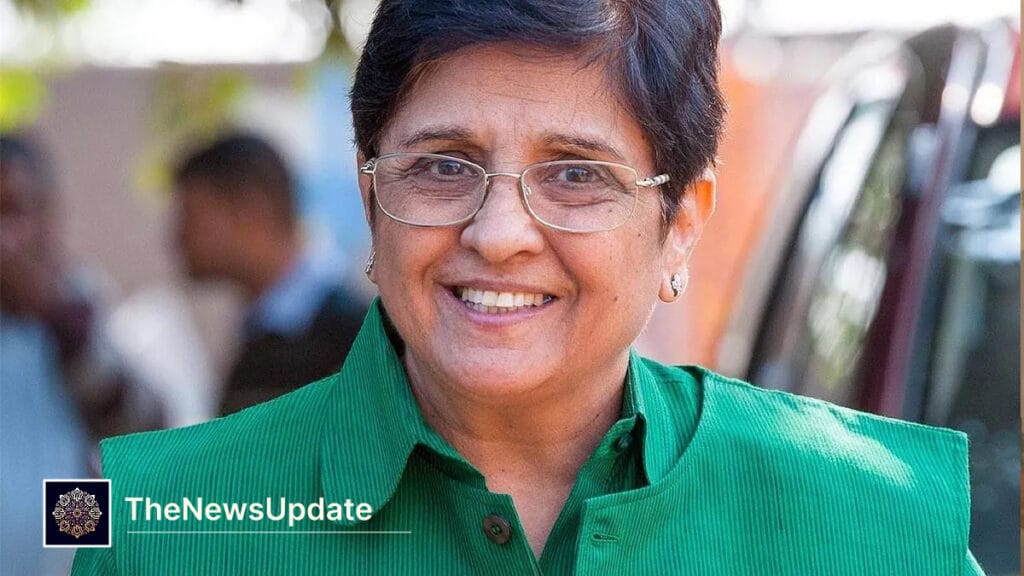
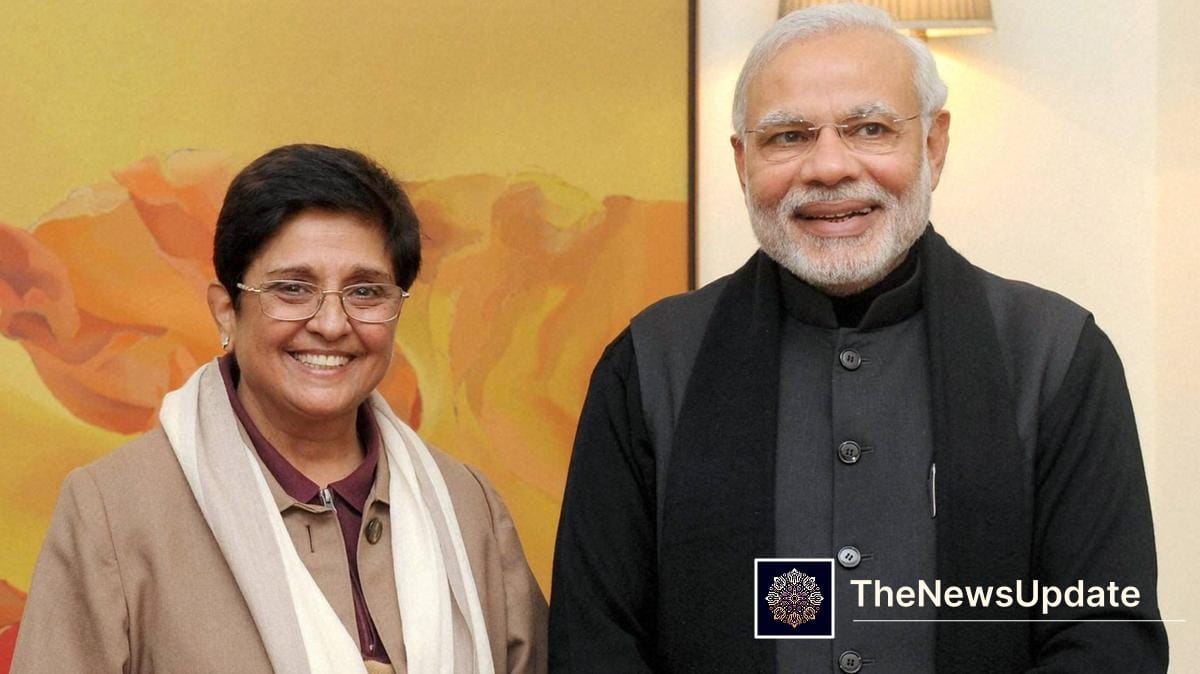
Former IPS officer and ex-Puducherry Lieutenant Governor Kiran Bedi has issued an emotional SOS to Prime Minister Narendra Modi as Delhi’s air quality plunges into the “very poor” and “severe” categories for more than two consecutive weeks. Her heartfelt appeal comes at a time when dense smog, poor visibility, and hazardous PM2.5 levels have pushed the capital into yet another prolonged pollution emergency.
In recent days, Kiran Bedi’s social media feed has turned into a dedicated real-time alert system, documenting the city’s air quality crisis and urging immediate central intervention. Her latest message, which blends urgency with administrative insight, has stirred a nationwide conversation on governance, accountability, and the expectations surrounding Delhi’s new “double-engine government.”
Kiran Bedi’s Plea: What She Urged PM Modi To Do
In a detailed post on X (formerly Twitter), Bedi addressed PM Modi directly, recalling his leadership during her administrative tenure. Her message opens with a humble yet urgent note:
यह भी पढ़े:
 Osman Hadi Killers Fled to India via Meghalaya Border: Dhaka Police Reveal Shocking Escape Route
“Sir please 🙏 forgive me for pleading again.”
She reminded the Prime Minister of the highly effective Zoom sessions he conducted during her service in Puducherry—meetings known for strict timelines, accountability, and outcome-driven governance. According to Bedi, similar structured oversight is now crucial for Delhi’s air crisis.
She recommended that PM Modi convene monthly virtual meetings with the Chief Ministers and Chief Secretaries of Delhi’s neighbouring states—Punjab, Haryana, Uttar Pradesh, and Rajasthan—to ensure measurable progress on pollution control.
यह भी पढ़े:
 Bulldozer Raj Karnataka Demolitions: Congress Govt Faces Backlash After 400 Muslims Left Homeless
“Sir your Zoom meet with these five neighbouring CMs periodically… even just once a month, to report progress, will stop the situation from worsening.”
Her message emphasised that such direct oversight from the Prime Minister would inspire confidence and signal serious accountability:
“It will give us hope because we will know it’s under your oversight. People can heave a sense of relief.”

Bedi Also Urges a Mann Ki Baat Appeal
Kiran Bedi did not limit her request to political leadership. She urged PM Modi to use his popular radio address, Mann Ki Baat, to encourage behavioural change and personal responsibility among citizens:
“You may consider an appeal even through your ‘Mann Ki Baat’ on people understanding their roles in pollution control.”
Her suggestion highlights the role of public awareness, lifestyle choices, and civic responsibility in curbing Delhi’s perennial pollution crisis.

‘Waiting for a Double Engine’: What Bedi Meant
Bedi ended her appeal with a pointed remark:
“Delhi was waiting for a ‘double engine’ in this respect too, to undo the damage done in the last 10 years.”
Her comment refers to the BJP’s 2025 Delhi Assembly election campaign promise that having the same party in power at both the Centre and the state would fix long-standing governance challenges. With the BJP’s sweeping victory (48 out of 70 seats), Delhi now has its first “double engine government” in decades.
यह भी पढ़े:
 Canada Hospital Killed Indian-Origin Man: Wife Alleges Medical Negligence After 8-Hour Wait
Her message suggests that with this political alignment now in place, coordinated action is not just possible but expected.
Why Kiran Bedi Is Posting Repeated Alerts
For weeks, Kiran Bedi has been actively posting updates, sharing charts, infographics, expert recommendations, and even cartoons. In one widely shared post, she reshared a Down To Earth cartoon showing two hospital patients—one injured for demanding clean air. Her caption was simple:
“Another feed.”
Her consistent messaging reflects growing public frustration over deteriorating AQI levels and perceived administrative lapses. Delhi’s pollution crisis has persisted despite annual action plans, bans on construction, restrictions on stubble burning, and traffic containment measures like the odd-even scheme.
Delhi’s AQI Crisis: The Current Situation
Delhi has been battling toxic air for over 15 days straight. The Air Quality Early Warning System indicates that the city will remain in the ‘very poor’ category for the coming week. PM2.5 levels have breached emergency thresholds, visibility has dropped sharply, and hospitals have reported a spike in pollution-related visits.
Several monitoring stations across the capital recorded AQI levels between 360 and 420, putting them in the ‘severe’ zone—where prolonged exposure can cause acute health complications.

Doctors Warn of Rising Health Risks
Medical experts across Delhi are urging preventive diagnostic screenings—especially for vulnerable groups such as:
- Children and the elderly
- Asthma and COPD patients
- Smokers
- Individuals with heart or respiratory conditions
Doctors warn that the toxic air is causing:
- Airway inflammation
- Reduced lung capacity
- Triggered asthma attacks
- Increased hospital admissions
- Aggravated chronic respiratory diseases
Senior cardiologists have advised residents to avoid early-morning walks, outdoor exercise, and prolonged exposure during peak pollution hours.
Why Delhi’s Pollution Persists Despite Annual Measures
Experts point out that Delhi’s air quality is shaped by a complex mix of factors:
- Stubble burning in Punjab and Haryana
- Vehicular emissions from 1.3 crore registered vehicles
- Industrial pollutants from surrounding NCR areas
- Construction dust from rapid urban development
- Winter inversion effect, trapping pollutants close to the ground
This multi-source pollution cannot be tackled by Delhi alone—Bedi’s primary argument for a coordinated multi-state review strategy led by PM Modi.
What Happens Next?
Kiran Bedi’s appeal has sparked intense debate online. Many users supported her, calling for stronger central intervention, while others questioned why such coordination has not already been implemented despite long-standing pollution issues.

Her message has, however, achieved one undeniable outcome: it has reignited public conversation around accountability, governance, and the urgent need for united action to tackle what has become India’s most persistent urban health crisis.
Whether the Prime Minister responds directly remains to be seen, but one thing is clear — Delhi cannot afford to wait any longer.
Conclusion: A Call for Immediate, United Action
Kiran Bedi’s SOS is more than a plea; it is a reminder of what coordinated governance can achieve when multiple stakeholders work in synergy. As Delhi gasps through yet another winter of pollution, her call for leadership, structure, and accountability may serve as a crucial turning point.

For millions of residents struggling with toxic air, her words offer both hope and a stark warning: without unified action, the crisis will only deepen.
For more updates The News Update .