Table of Contents
- Introduction
- Why Thailand? What Drew Her In
- Daily Life: Routines, Work and Comforts
- Safety, Respect and Personal Space
- Infrastructure, Transport and Services
- Culture, Food and Community
- Cost of Living & Practical Finances
- Challenges & Emotional Trade-offs
- Practical Advice for Indians Moving to Thailand
- Conclusion: Choosing a Healthier Daily Experience
Introduction
When an Indian woman living in Thailand explains why she prefers Bangkok over her hometown, the reasons are rarely simple. For Shreya Mahendru — a content creator and career consultant — the choice was about everyday peace, cleaner streets, better civic habits and a stronger sense of personal safety. In this long-form piece we unpack her observations, compare practical aspects of life in India and Thailand, and offer balanced context for anyone considering a similar move.
Why Thailand? What Drew Her In
Shreya’s explanation begins with a question she asks her followers: “Since when did love mean never choosing comfort?” That line captures a key theme for many migrants. The decision to live abroad rarely signals rejection of one’s home country; more often it’s a pursuit of a different daily experience. For an Indian woman living in Thailand, the big draws usually include cleaner air in certain urban pockets, quieter mornings, and walkable neighbourhoods.
यह भी पढ़े:
 Osman Hadi Killers Fled to India via Meghalaya Border: Dhaka Police Reveal Shocking Escape Route
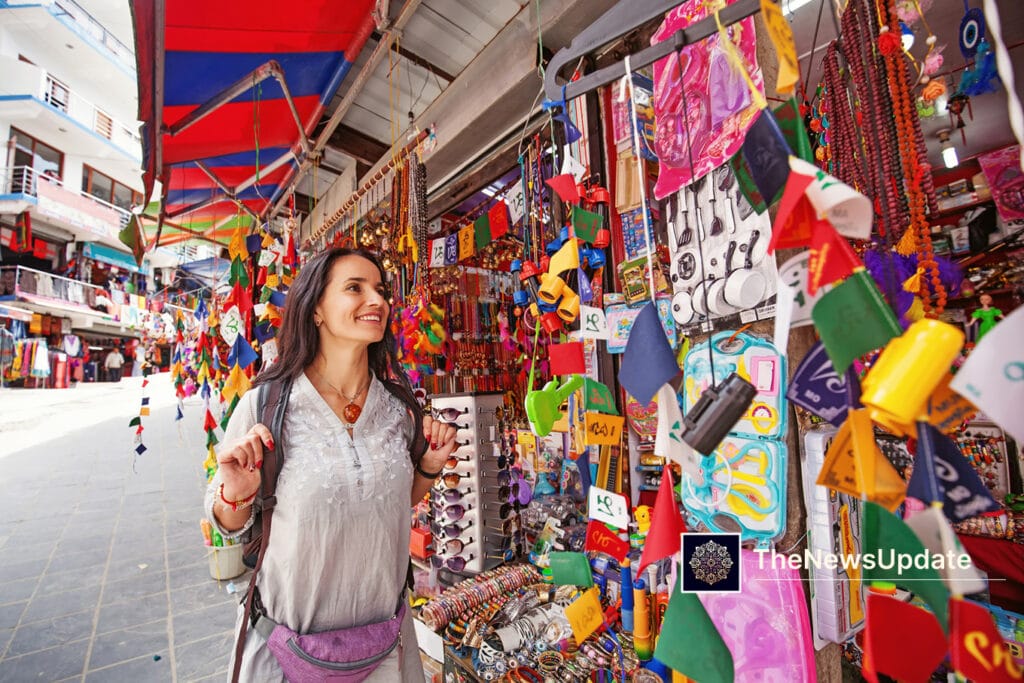
Bangkok, despite its traffic and crowds, offers neighbourhoods where public greens, tree-lined streets and efficient mass transit create routines that feel predictable and humane. That predictability—knowing a train will come, a government office will process a form on time, or a clinic will answer your question—adds up in ways that shape day-to-day wellbeing.
Daily Life: Routines, Work and Comforts
One recurring point from Shreya is the satisfaction of doing chores herself and feeling respected for that choice. In many Indian households, affordable domestic help is a social norm; choosing to do one’s own cleaning can feel like opting into a different value system. An Indian woman living in Thailand often finds privacy and personal routines easier to preserve: morning walks, quiet cafes, and reliable delivery services that respect time windows.
Work opportunities vary — many expats work in tech, education, creative freelancing or hospitality. For Shreya, platform-friendly careers like consulting and content creation fit well with Bangkok’s digital cafés, co-working spaces and vibrant networking scene. The city supports remote-first lifestyles as much as on-site employment.
यह भी पढ़े:
 Bulldozer Raj Karnataka Demolitions: Congress Govt Faces Backlash After 400 Muslims Left Homeless
Safety, Respect and Personal Space
Safety is one of the most cited reasons women move or feel comfortable abroad. Shreya’s frank line — “I feel safer here as a woman” — echoes many testimonies from women who have lived in both India and Southeast Asian cities. The perception of safety can be about fewer unsolicited comments, better street lighting, visible law enforcement presence and social norms that respect personal boundaries.
Of course, safety is not uniform: no city is free from risk. Yet for an Indian woman living in Thailand, the cumulative effect of feeling less stared at, experiencing fewer verbal interruptions and having better night-time transport options can be transformative. That transformation is as much psychological as it is physical: peace of mind matters in how someone shows up to work, relationships and public life.
Infrastructure, Transport and Services
“Public transport works. Govt offices respond. Infrastructure supports your daily routine,” Shreya said, and that summary hits a nerve for many considering relocation. Bangkok’s BTS and MRT systems — although crowded — generally run on time and cover key corridors. Local buses, river ferries and ride-hailing apps add flexibility.

Compared to many Indian cities, certain Thai municipal services run with fewer bureaucratic delays. Utility outages and long waits at government counters do occur anywhere, but consistent, predictable public services change daily planning in a way that often makes life feel less stressful.
Culture, Food and Community
Cultural life in Thailand is rich and accessible. Street food is part of the daily fabric, neighborhoods host weekend markets, and festivals punctuate the year. For an Indian woman living in Thailand, the transition to Thai cuisine is usually easy — rice, curries, and bold flavours are familiar — but the culinary map expands rapidly: northern specialties, spicy Isaan dishes, and delicate southern seafood open new comfort zones.
Expat communities are robust: Indians find temples, grocery stores, and social groups that make cultural continuity possible. At the same time, crossing cultural lines generally encourages small acts of adaptation — learning local phrases, showing respect for Thai customs, and discovering cross-cultural friendships.

Cost of Living & Practical Finances
Cost is a nuanced topic. Some expenses in Thailand can be lower: local street food, public transport and certain services can feel affordable. Rent in central Bangkok, however, rivals mid-size Indian metro rents, and international schooling or private healthcare can be costly. An Indian woman living in Thailand often balances savings by choosing neighborhoods slightly outside touristy centers, using local clinics for routine care, and tapping into community-sharing for childcare or co-living arrangements.
Another financial detail Shreya highlights indirectly is the value of visible civic investment: cleaner roads and functioning public spaces mean fewer maintenance costs for daily life. That kind of hidden saving — fewer repairs, less time lost in queues — contributes to the perception of a “healthier” lifestyle.
Challenges & Emotional Trade-offs
No relocation comes without costs. Homesickness is real. Festivals like Diwali or Holi feel different when celebrated abroad. Language barriers, moments of loneliness, and the subtle friction of being “other” can test anyone’s resolve. For women, especially, the emotional calculus involves weighing safety and daily comfort against family proximity and cultural belonging.
यह भी पढ़े:
 Canada Hospital Killed Indian-Origin Man: Wife Alleges Medical Negligence After 8-Hour Wait
Shreya is explicit that she is not rejecting India. Rather, she is choosing a better daily experience for herself. That honesty is important: migration is rarely about escaping a place entirely; it’s about selecting environments that afford different kinds of growth and rest.
Practical Advice for Indians Moving to Thailand
- Try a short stay first: Rent a room for a month, experience morning routines and commute times before committing.
- Learn basic Thai: A few polite phrases open doors and earn goodwill.
- Research visas carefully: Work, freelance, and long-stay visas have different requirements and timelines.
- Find community: Join local expat groups, Indian cultural associations, or professional networks to speed up integration.
- Budget for surprises: Healthcare, schooling, or legal assistance may have unexpected costs — keep an emergency buffer.
- Respect local norms: Understanding small cultural rules prevents awkward interactions and shows good faith.
Conclusion: Choosing a Healthier Daily Experience
In the end, the story of an Indian woman living in Thailand like Shreya is not an indictment of India; it’s a personal decision shaped by daily rhythms, safety, civic comforts and the desire for a calmer routine. Her verdict — “Not perfect, but healthier” — is a clear example of what many modern migrants seek: a life where the little things add up to sustained wellbeing.
Whether you are considering a move for work, love, or a fresh start, weigh both tangible and intangible factors. Clean streets, responsive services and personal safety matter. So do cultural ties, family proximity and the small, untranslatable comforts of home. The right choice depends on what mix of needs you cannot live without — and which inconveniences you are willing to trade for a quieter, more predictable daily life.

For more updates The News Update .
By The News Update — Published Nov 30, 2025