Table of Contents
- Background: Drinking Culture in Ireland
- Introduction of Alcohol Warning Labels
- Young People and Drinking Habits
- Public Reactions and Expert Opinions
- Challenges and Industry Perspectives
- Conclusion: The Road Ahead
Background: Drinking Culture in Ireland

Drinking is deeply ingrained in Irish society, often seen as an essential part of socialising and community life. Pubs act as cultural hubs, where live music and traditional songs celebrate both conviviality and the occasional excess. For many, alcohol is tied to milestones—from birthdays to weddings—making it a social glue across generations. Iconic brands like Guinness and Jameson are not only popular domestically but are also major global exports, symbolizing Ireland’s longstanding association with drinking.
Young people often begin experimenting with alcohol in their early teens. In rural areas like County Galway, informal drinking in fields or local gatherings is common by age 14 or 15. By 17, family rituals such as being brought to a pub for a first pint of Guinness cement drinking as a cultural norm. Despite efforts to reduce consumption, alcohol remains a cornerstone of Irish social life, making interventions like warning labels particularly challenging.

Introduction of Alcohol Warning Labels
In 2023, Ireland enacted legislation requiring alcohol products to carry prominent health warnings, including statements that drinking can cause liver disease and is linked to fatal cancers. These labels, among the most stringent globally, are already appearing in pubs and supermarkets. Additional requirements, such as calorie content and alcohol quantity, are set to become mandatory by 2028.
Despite the legislation, the Irish government has postponed the compulsory introduction of these labels, citing concerns over global trade impacts. Critics argue that lobbying by the drinks industry influenced the delay, while the industry body, Drinks Ireland, has requested a harmonized EU-level approach to health labeling, citing the need for regulatory consistency.
Young People and Drinking Habits
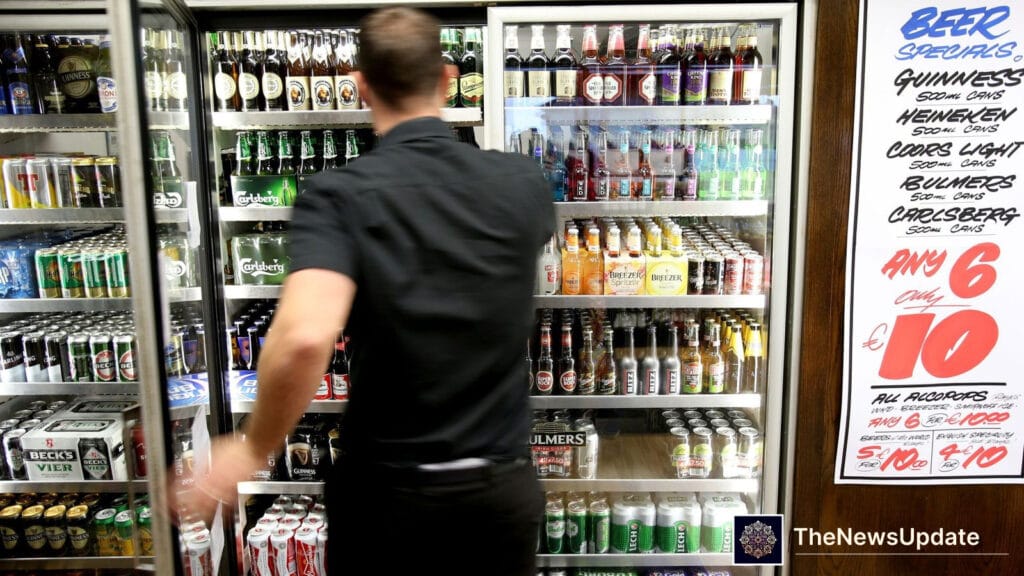
Data from The Drinks Industry Group of Ireland (DIGI) shows a reduction in overall consumption over 25 years, but binge drinking remains among the highest in Europe. The average starting age for alcohol consumption has shifted to 17, though once drinking begins, patterns of heavy consumption are notable.

Public health research indicates that while alcohol warning labels are present, their impact may be limited. Alcohol Action Ireland reports that the proportion of 15-24-year-olds consuming alcohol rose from 66% in 2018 to 75% in 2024, with two-thirds regularly engaging in binge drinking. Young individuals like Amanda, 23, express skepticism, saying labels might make little difference and may even encourage drinking by drawing attention to the forbidden nature of alcohol.
Others, like Sean, 21, note that Dublin nightlife offers limited alternatives to pub culture, making alcohol consumption almost inevitable for socialising. Despite awareness of health risks, many young people continue drinking due to habit, social pressure, and cultural expectations. In contrast, a growing number are choosing minimal or no alcohol consumption for financial, health, or personal reasons, reflecting a nuanced generational shift Ireland Alcohol Warning Labels.
Public Reactions and Expert Opinions
Experts note that Ireland has had success with tobacco regulation; since 2004, smoking bans in workplaces, restaurants, and bars have dramatically shifted public behavior Ireland Alcohol Warning Labels. However, alcohol is more culturally embedded than tobacco, making similar interventions more complex. Public reactions are mixed, with some seeing labels as informative, while others perceive them as ineffective or easily ignored.

Individuals who opt for sobriety, such as Helen and Sam, highlight both personal and social challenges. Sam, 27, has abstained from alcohol for three years, emphasizing how deeply alcohol is entwined with traditional music sessions and social gatherings. Even so, some face subtle social disapproval for choosing non-drinking lifestyles, showing that changing attitudes may require both policy and cultural shifts.
Challenges and Industry Perspectives
The drinks industry faces a delicate balance between public health demands and commercial interests. Drinks Ireland has advocated for a phased, EU-aligned implementation of warning labels, arguing that abrupt, unilateral national measures may cause trade disruptions. Additionally, the perceived effectiveness of labels depends on cultural acceptance. Ireland’s high social attachment to pubs and alcohol complicates behavior change.
- Mandatory label implementation postponed to 2028 due to trade and industry lobbying.
- Some young people remain skeptical about the labels’ impact.
- Cultural attachment to pubs and alcohol makes behavioral change gradual.
- Success may depend on combining labeling with educational campaigns and broader social initiatives.
Conclusion: The Road Ahead
Ireland Alcohol Warning Labels represent a progressive step toward addressing health risks associated with drinking. However, their effectiveness will depend on public acceptance, cultural adaptation, and complementary education efforts. While some young people continue heavy consumption despite warnings, a rising segment is embracing moderation or abstinence, suggesting a slow but meaningful cultural shift.

Future strategies may include targeted campaigns for youth, incentives for non-alcoholic social spaces, and EU-level harmonization of labeling standards. By 2028, when mandatory implementation takes effect, Ireland may be positioned to observe whether these warnings tangibly influence consumption patterns and public health outcomes.
Related Reads
By The News Update— Updated 30 November 2025