UK net migration 2025 has fallen dramatically, according to new figures released by the Office for National Statistics (ONS) and the Home Office. The latest data suggests a major shift in migration patterns, driven largely by a steep decline in work and study visas. At the same time, asylum claims have reached record highs, creating a complicated picture for the government.
Table of Contents
- UK Net Migration Falls to 204,000
- Why UK Net Migration 2025 Fell So Sharply
- Record High Asylum Claims Despite Net Migration Drop
- Asylum Hotels: Numbers Rise Despite Government Pledge
- Small Boat Arrivals Surge by 53% in 2025
- Government Response: “A Step in the Right Direction”
- Legal Battles Over Asylum Housing Continue
- What the New Data Means for UK Immigration Policy
UK Net Migration Falls to 204,000
According to provisional ONS figures for the year ending June 2025, UK net migration 2025 dropped to 204,000—a dramatic fall from 649,000 in the previous 12-month period. This marks a two-thirds reduction and represents one of the sharpest declines in modern UK migration statistics.
The majority of this fall comes from a significant reduction in arrivals for work and study. Immigration officials have noted that tightened visa rules, reduced international student numbers, and economic changes contributed substantially to this trend.
यह भी पढ़े:
 Royal Yacht Britannia Visit to Ireland: ‘Superiority’ Concerns Revealed in Newly Released Files
Prime Minister Sir Keir Starmer reacted to the data by telling GB News that the decline is a “step in the right direction.” Starmer’s government has been under pressure to reduce migration levels throughout Labour’s first year in office.
Why UK Net Migration 2025 Fell So Sharply
The ONS attributes the falling figures to three primary factors:
- Fewer international students following restrictions on dependants accompanying post-graduate students.
- Reduced work visas due to employer shifts and post-pandemic economic adjustments.
- Stricter visa rules introduced during late 2024 and early 2025.
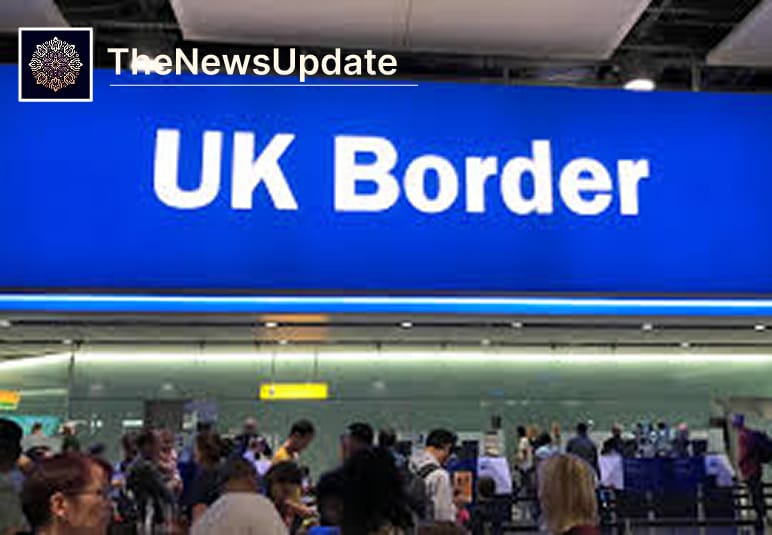
For many universities, the decline in international student arrivals has raised financial concerns. Education leaders warn that the UK risks losing competitiveness against Canada and Australia, where post-study opportunities remain more attractive.

Similarly, sectors reliant on overseas workers—such as hospitality, agriculture, elderly care, and manufacturing—have expressed concern that labour shortages could worsen.
Record High Asylum Claims Despite Net Migration Drop
While overall UK net migration 2025 fell sharply, asylum claims rose to an unprecedented level. Home Office figures show that in the year to September 2025:
110,051 people claimed asylum in the UK, the highest number on record. These claims have surged despite fewer economic migrants and international students.

The Home Office revealed that:
- 133,502 initial asylum decisions were made in the same period
- Of those decisions, 45% were granted
- The backlog of initial decisions fell by 36% compared with 2024
This indicates that although asylum claims are rising, the government has accelerated processing times—yet appeals are now increasing and creating a secondary bottleneck.
Asylum Hotels: Numbers Rise Despite Government Pledge
Despite promising to end the use of asylum hotels by the end of the current Parliament, the government is still relying on temporary accommodation, with numbers rising in recent months.

The Home Office confirmed that as of September 2025:
- 36,000 asylum seekers were living in hotels
- This is a 13% rise in the last three months
- But only a 2% increase compared with September 2024
- Far below the peak of 56,018 recorded in September 2023
A Home Office spokesperson said there were now “fewer than 200 hotels” in use and reaffirmed their commitment “to close every single one.”
Internal pressures, local resistance, and legal challenges have slowed the process of shifting migrants to alternative accommodations such as military bases.

Small Boat Arrivals Surge by 53% in 2025
In sharp contrast to the fall in UK net migration 2025, small boat arrivals have surged by over half. In the 12 months to September 2025:
45,659 people crossed the English Channel in small boats—a 53% increase from the previous year and close to the record 2022 peak of 45,774.
The Home Office reported that the surge is due in part to:

- More people per vessel
- Better weather conditions in parts of the year
- An increase in smuggling networks
Among these arrivals were 5,151 children, including 2,700 accompanied minors, raising further questions about the safeguarding of vulnerable migrants and the UK’s obligations under international law.
Downing Street acknowledged the rise, saying the government “accepts that small boat crossings remain far too high.”
Government Response: “A Step in the Right Direction”
Responding to the figures, Prime Minister Sir Keir Starmer said the dramatic fall in UK net migration 2025 shows progress—but also warned that asylum demands continue to challenge the system.
यह भी पढ़े:
 UK Will Rejoin Erasmus Student Scheme in 2027: What It Means for Students and Universities
Labour has prioritised:
- Reducing legal migration numbers
- Speeding up asylum decision-making
- Ending the use of hotels
- Combating dangerous small boat crossings
However, critics argue that Labour’s strategy focuses too heavily on reducing economic migration, which is needed to support the UK workforce and universities.
Legal Battles Over Asylum Housing Continue
The use of hotels and alternative sites such as military bases has sparked numerous legal disputes. Most recently, Epping Forest District Council appealed a High Court ruling that rejected its attempt to shut down the Bell Hotel to asylum seekers.

The challenge highlights growing resistance among local authorities, many of whom argue that community services are overstretched and that hotels are unsuitable for long-term accommodation.
What the New Data Means for UK Immigration Policy
The combination of lower legal migration and higher asylum pressures means the UK faces a complex and delicate policy landscape. While the fall in UK net migration 2025 aligns with government goals, other challenges persist:
- Thousands of asylum seekers remain in costly temporary hotels
- Small boat arrivals are increasing despite deterrence plans
- Backlogs are shifting from initial decisions to appeals
- Universities face financial strain from falling international enrolments
- Industries dependent on overseas labour risk shortages
Experts warn that future immigration policy must balance economic needs, border security, humanitarian responsibilities, and public expectations. For now, the latest ONS and Home Office numbers highlight a UK in transition—one where legal migration is falling quickly, but asylum pressures remain stronger than ever.

For more global and UK political updates, visit our World News section on The News Update.