Table of Contents
- Background: Special Intensive Revision (SIR)
- Impact on Migrant Workers in Delhi
- Document and Identity Challenges
- Election Commission Response
- Worker Perspectives and Solutions
- Conclusion
Background: Special Intensive Revision (SIR)
On 4 November 2025, India began a major exercise to revise electoral rolls across 12 states and federally administered regions India voter roll revision migrant workers. Known as the Special Intensive Revision (SIR), it affects nearly 510 million voters, covering more than half of India’s 970 million electorate.
The Election Commission of India (EC) aims to ensure no eligible voter is excluded and no ineligible name remains on the rolls. Polling booth-level officers visit households to collect personal identity details and voter card numbers. While intended to strengthen electoral integrity, the SIR has raised concerns among migrant workers who cannot afford sudden trips home.
यह भी पढ़े:
 Osman Hadi Killers Fled to India via Meghalaya Border: Dhaka Police Reveal Shocking Escape Route
Impact on Migrant Workers in Delhi
In Rangpuri Pahari, a slum in Delhi housing thousands of migrant workers, anxiety is high. Most residents work in the unorganised sector as domestic staff, cooks, mechanics, car washers, and construction laborers.
For these workers, an unplanned trip home to update voter information means lost wages and extra expenses. As Anjali Mondol, a domestic worker, explained: “My employers approve time off only during elections and festivals. If I take leave now, I will lose my salary. I can’t afford that.”
Similar concerns were expressed by others, such as Subhashri Doloi, who worries about saving for elections while fulfilling SIR requirements.
यह भी पढ़े:
 Bulldozer Raj Karnataka Demolitions: Congress Govt Faces Backlash After 400 Muslims Left Homeless
Document and Identity Challenges
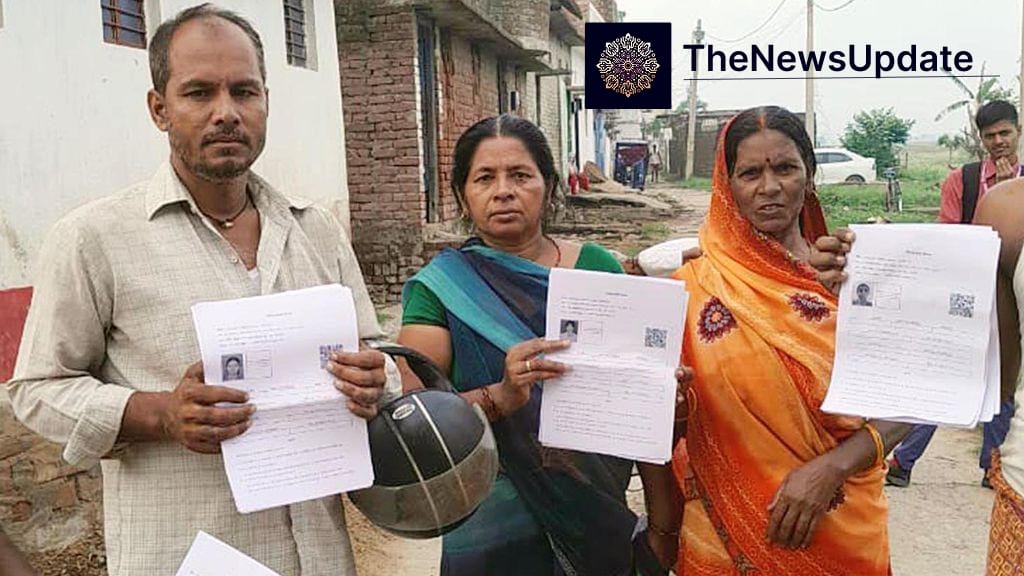
Migrant workers often face issues with official documents. For example, Kusum Devi, a garment factory worker, is a registered voter in her village in Uttar Pradesh, but her Aadhaar lists her as a Delhi resident. Such inconsistencies create uncertainty during the SIR process.
Additionally, workers must provide supporting documents if their names do not appear in reference electoral rolls from 2002–2004. Required documents include birth certificates, school records, passports, and bank papers. Those born after the reference period must also provide documents for one or both parents.
For migrants from West Bengal, bordering Bangladesh, there is additional fear of being asked to prove citizenship amid recent crackdowns on alleged illegal immigrants. This adds stress to workers already worried about lost wages and travel expenses.

Election Commission Response
The EC has urged voters to use online verification, highlighting it as a convenient option for those away from their residence. For physical forms, any adult family member can submit the SIR forms on behalf of the voter by indicating their relationship.
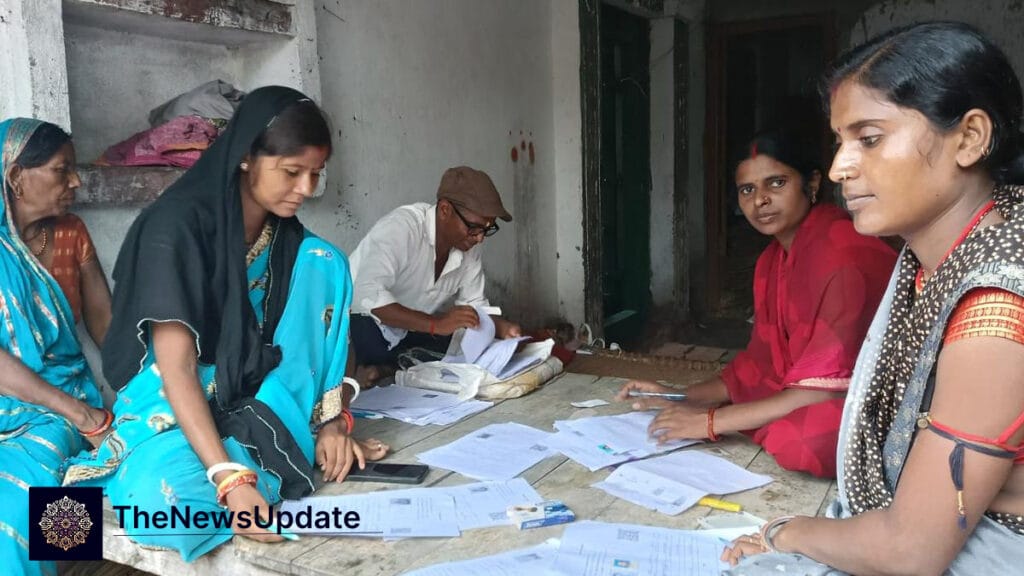
The EC emphasized that “sufficient opportunity and time is given to the electors for filing claims and objections,” aiming to ensure fairness and transparency. Despite this, many migrant workers are unfamiliar with online procedures or consider them too risky.
Worker Perspectives and Solutions
Workers’ experiences vary. Ramdhin Prajapati, a factory worker voting in Uttar Pradesh, sees the SIR as a manageable one-time effort. However, those in West Bengal face imminent elections and limited time for compliance.

- Financial Burden: Travel costs and lost wages discourage timely compliance.
- Documentation Issues: Incomplete or mismatched documents create stress.
- Support Measures: Trade unionist Rajesh Kumar suggests help desks in major cities to assist migrant workers in completing SIR forms correctly.
In Rangpuri Pahari, local residents like Rajendranath Mallick have become informal advisors, guiding neighbors on form submission and verification processes.
Conclusion
The Special Intensive Revision aims to strengthen India’s electoral system, but migrant workers face significant challenges. Lost wages, travel costs, and documentation issues make timely participation difficult. Greater awareness campaigns, online support, and city-level help desks could alleviate pressure and ensure that millions of eligible voters are not disenfranchised.
Related Reads
By The News Update — Updated 24 November 2025