Table of Contents
- Introduction: A Century of Mumbai’s Art Deco Story
- Origins of Mumbai’s Art Deco Movement
- How Art Deco Shaped Mumbai’s Identity
- Marine Drive: India’s Most Iconic Art Deco Showcase
- The UNESCO World Heritage Recognition
- Conservation Challenges After 100 Years
- Modern Mumbai and the Future of Art Deco Preservation
- Conclusion
Introduction: A Century of Mumbai’s Art Deco Story
The Mumbai Art Deco Legacy at 100 marks a remarkable milestone for a city whose architectural identity has long been shaped by bold geometry, striking façades, and elegant modernist expressions. Over the past century, Mumbai has organically evolved into one of the world’s greatest repositories of Art Deco architecture—second only to Miami. This rich urban landscape, stretching from Marine Drive to the Oval Maidan precinct, reflects an era when the city embraced modernity, luxury, and global artistic influences.
As Mumbai enters this centennial moment, architects, historians, conservationists, and residents are taking renewed interest in the city’s distinct Deco identity. The celebration of the Mumbai Art Deco Legacy at 100 is not merely a nostalgic look back—it is a call to safeguard one of India’s most treasured cultural assets for future generations.

Origins of Mumbai’s Art Deco Movement
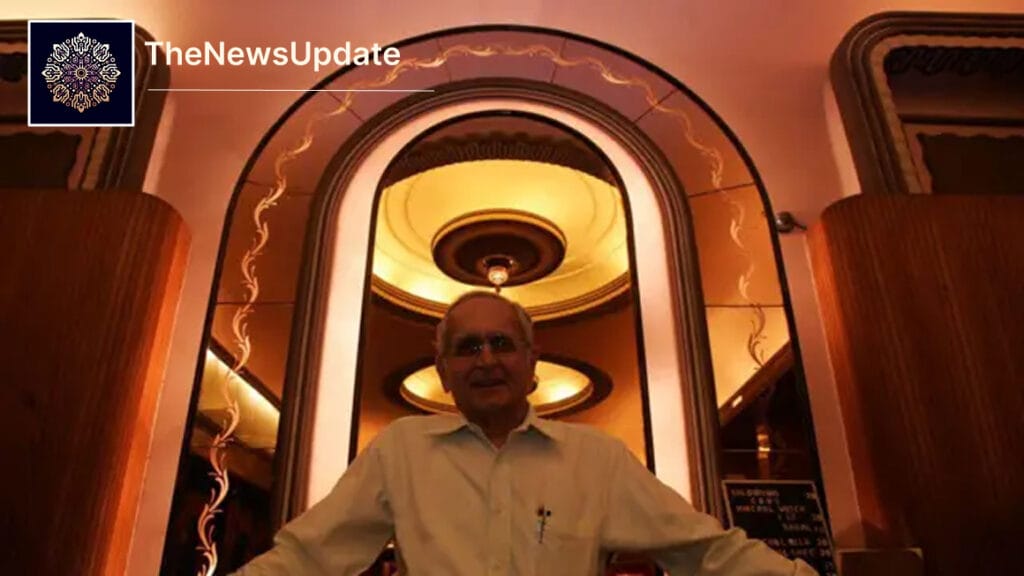
The Art Deco wave began sweeping across India in the 1930s, aligning with global design trends. Mumbai, then Bombay, was emerging as a prosperous port city with increasing cosmopolitan aspirations. Inspired by architectural developments in Paris, London, and New York, Indian architects adapted international Art Deco styles to local culture, climate, and artisanal craftsmanship.
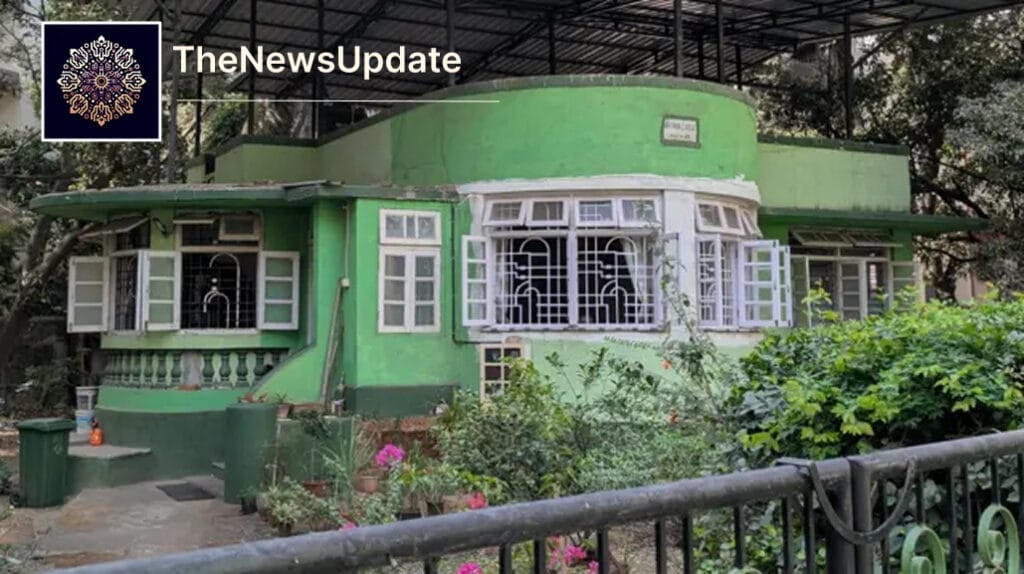
Buildings from this era integrated classic Deco features such as stepped forms, streamlined curves, geometric patterns, sunrise motifs, and nautical elements. Yet, Mumbai’s interpretation also infused Indian motifs, tropical adaptations, verandas, Indigenous materials, and pastel colour palettes that distinguished it from Western counterparts.
How Art Deco Shaped Mumbai’s Identity
The Mumbai Art Deco Legacy at 100 underscores how deeply this style influenced the city’s architectural personality. For decades, Art Deco structures represented Mumbai’s bold leap into modernity—symbolizing economic growth, cinematic culture, and a middle-class lifestyle shaped by global trends.

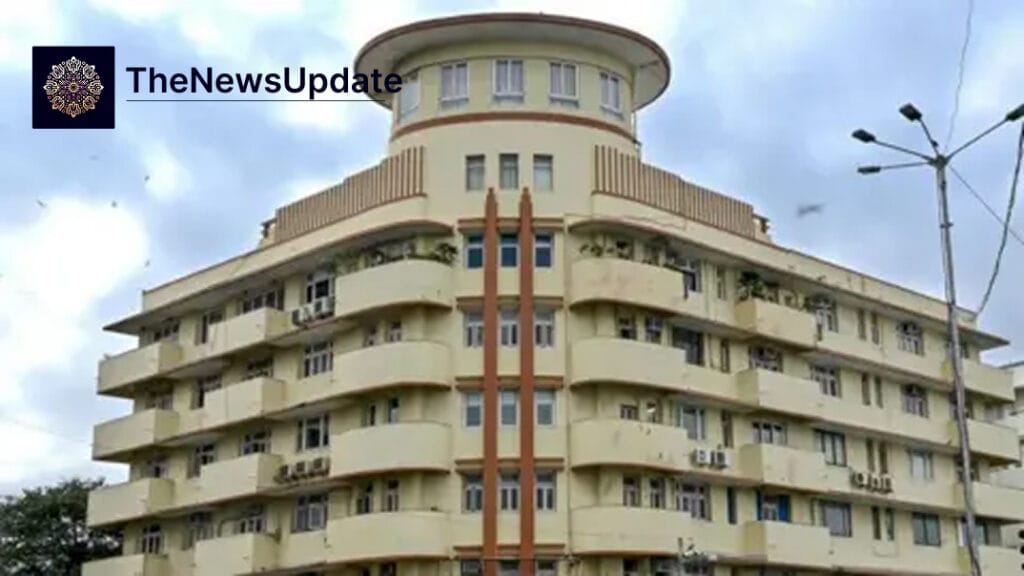
These buildings housed cinemas, residential apartments, commercial offices, and community spaces. Landmarks like Eros Cinema, Liberty Cinema, and Regal Theatre contributed to the expansion of Bollywood culture during the mid-20th century. Residential Art Deco buildings around Oval Maidan and Churchgate became iconic representations of Bombay’s aspirational living standards.
Marine Drive: India’s Most Iconic Art Deco Showcase
Often called the world’s largest continuous stretch of Art Deco buildings, Marine Drive remains the crown jewel of Mumbai’s coastal architecture. This sweeping boulevard, lined with stunning Deco apartments, encapsulates the elegance and sophistication of early modern Indian urban design.
As part of celebrating the Mumbai Art Deco Legacy at 100, conservation groups like Art Deco Mumbai have intensified documentation and awareness campaigns. Their initiatives help preserve historic balconies, curved corner windows, porcelain nameplates, terrazzo floors, and façade patterns unique to these buildings.

The UNESCO World Heritage Recognition
In 2018, Mumbai’s Victorian Gothic and Art Deco Ensembles received the prestigious UNESCO World Heritage Site status. This global recognition formally acknowledged the city’s role in blending European and Indian architectural traditions during the transition from colonial to modern India.
The inscription—covering the Oval Maidan precinct, the High Court, the University, and surrounding Art Deco residences—brought global attention to India’s design heritage. Today, this UNESCO status remains central to discussions around the Mumbai Art Deco Legacy at 100, serving as both a badge of honour and a responsibility.
For readers looking for detailed documentation, UNESCO’s official description provides historical insights: UNESCO World Heritage Listing

Conservation Challenges After 100 Years
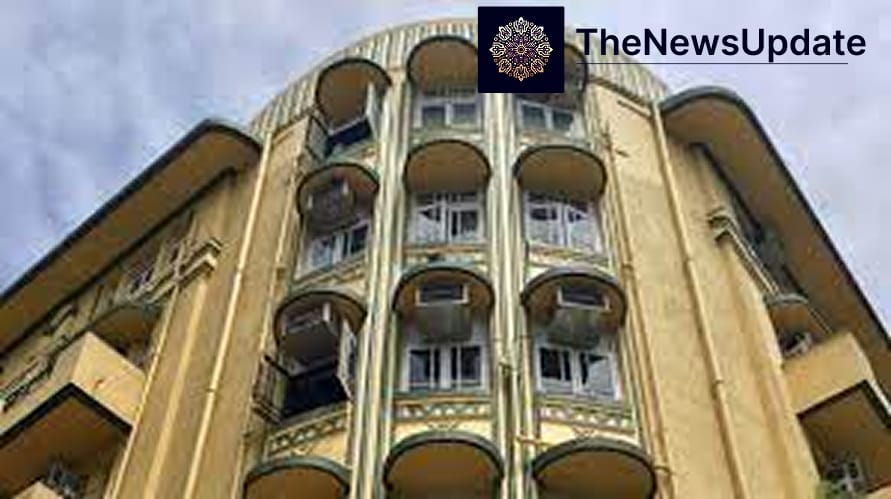
As Mumbai celebrates this centennial, it also faces urgent questions about preservation. Many Art Deco buildings require restoration due to weather damage, neglect, unsympathetic renovations, and commercialization pressures.
Key challenges include:
- Coastal erosion and moisture-induced façade decay
- Unauthorized structural alterations by occupants
- Rising real estate prices pushing redevelopment agendas
- Lack of uniform policies across Mumbai’s heritage committees
- Limited awareness among younger residents
Conservation experts argue that maintaining the Mumbai Art Deco Legacy at 100 requires stricter enforcement of heritage laws, public–private partnerships, government grants, and greater community participation.

Readers can explore more insights on heritage policies through this analysis from The News Update, a leading publication in India’s cultural conservation debate.
Modern Mumbai and the Future of Art Deco Preservation
Despite challenges, there is growing optimism. Young architects, design students, conservation NGOs, and Mumbai residents are increasingly valuing their city’s built heritage. Digital archives, guided heritage walks, and academic workshops are helping raise awareness.
Technological advances also support the preservation journey. 3D laser scanning, digital façade mapping, and archival photography have enabled more accurate restoration across key buildings. Heritage activists believe that the next decade will determine the long-term survival of Mumbai’s Deco identity.

Furthermore, the Mumbai Art Deco Legacy at 100 celebrations have sparked renewed government interest in expanding protected heritage zones, improving façade restoration grants, and documenting unlisted Art Deco buildings across the city.
Conclusion
The Mumbai Art Deco Legacy at 100 is far more than a commemoration—it is a reminder of the city’s profound cultural evolution. For a century, Art Deco has shaped Mumbai’s skyline, lifestyle, and global identity. From Marine Drive’s iconic curve to the UNESCO-listed Oval Maidan ensemble, these structures represent an era of ambition, artistic experimentation, and international influence.
As Mumbai enters the next hundred years of architectural innovation, preserving its Art Deco legacy becomes both an honour and a duty. With collaborative efforts between citizens, historians, conservation groups, and policymakers, the city can ensure that this timeless architectural treasure continues to inspire generations to come.