India Afghanistan Trade are preparing a major overhaul of their trade relationship, and the biggest loser in this transformation is Pakistan. With Islamabad repeatedly blocking land routes, the Taliban-led Afghan government is now planning to expand trade with India through air and sea, leveraging Iran’s strategic Chabahar Port and launching new cargo flights from Delhi and Amritsar to Kabul. The shift marks one of the most significant geopolitical realignments in the region after 2021.
The focus keyword for this article — India Afghanistan Trade via Chabahar Port — reflects the central economic and geopolitical shift unfolding as both nations seek reliable alternatives outside the influence of Pakistan.
India Afghanistan Trade Move to Expand Trade Ties
The announcement came during the visit of Afghanistan’s acting Minister of Industry and Commerce, Nooruddin Azizi, to New Delhi. During meetings with senior Indian officials, both countries agreed to:
यह भी पढ़े:
 Osman Hadi Killers Fled to India via Meghalaya Border: Dhaka Police Reveal Shocking Escape Route
- Launch new cargo flights between Delhi–Kabul and Amritsar–Kabul
- Increase reliance on Chabahar Port for sea trade
- Post dedicated commercial attachés in Delhi and Kabul
- Simplify visa processes for Afghan and Indian traders
- Boost investment in mining, agriculture, IT, and manufacturing sectors
According to India’s Ministry of External Affairs (MEA), the bilateral trade volume already stands at over USD 1 billion. With new trade corridors opening, both sides expect a major jump in the coming years.
Why Afghanistan Is Bypassing Pakistan
Afghanistan has historically relied heavily on Pakistani ports such as Karachi and Gwadar. However, years of border closures, political friction, and transit blockades have pushed Kabul to seek alternatives.
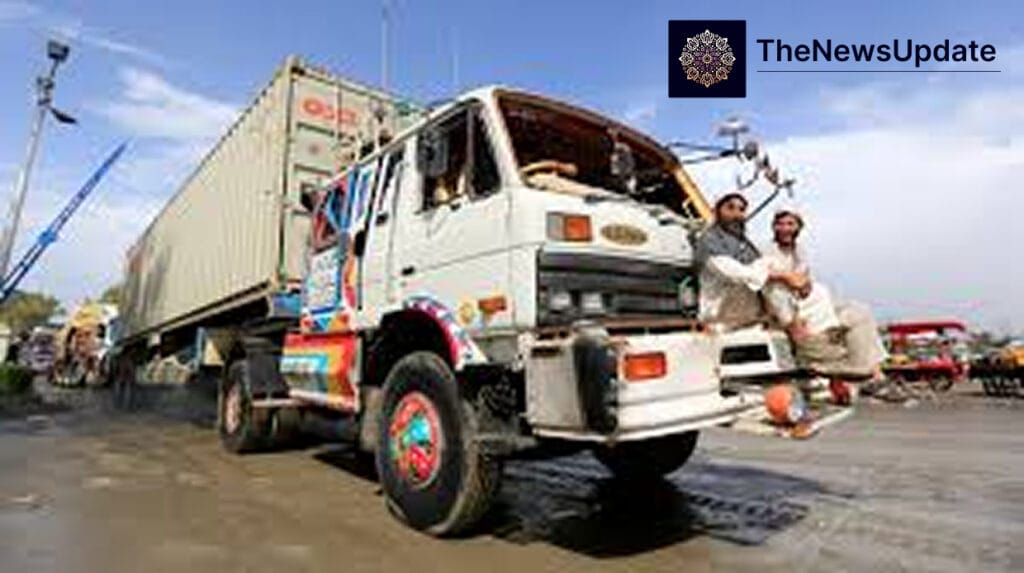
In October, when Pakistan shut down its Torkham and Chaman crossings due to security tensions, dozens of Afghan trucks were stranded, leading to losses of more than $100 million.
यह भी पढ़े:
 Bulldozer Raj Karnataka Demolitions: Congress Govt Faces Backlash After 400 Muslims Left Homeless
“We no longer want to depend on Pakistan,” Afghan Deputy PM Mullah Abdul Ghani Baradar warned traders.
This disruption, combined with Islamabad’s alleged “political manipulation” of trade routes, has accelerated Kabul’s shift toward India through Chabahar Port and air corridors.
Chabahar Port: The Game-Changer
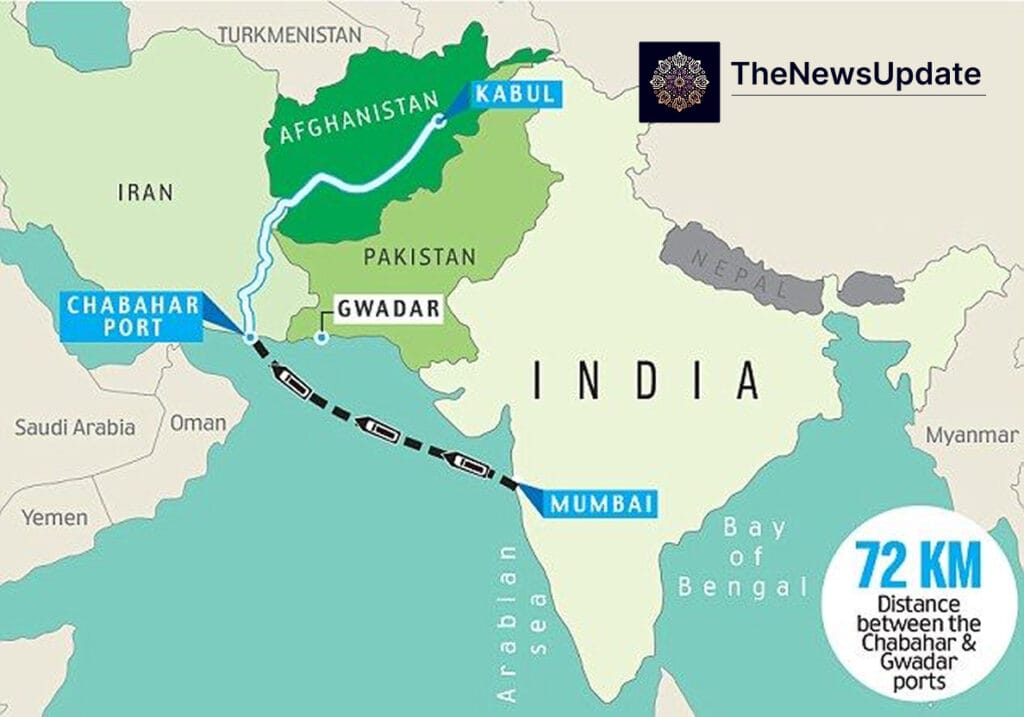
Iran’s Chabahar Port, developed with major Indian investment, has emerged as Afghanistan’s most reliable route for sea trade. It allows goods to bypass Pakistan entirely and directly access Indian and global markets.

Why Chabahar Matters
- India operates two terminals under a long-term agreement with Iran
- Provides Afghanistan its main seaport link
- Part of the India-backed International North-South Transport Corridor (INSTC)
- Reduces shipping time and logistics costs
- Offers political neutrality absent in Pakistan routes
Afghan imports such as dry fruits, medicinal herbs, saffron, carpets, gemstones, and agricultural produce now reach India faster through Chabahar.
The Taliban government has asked India to:
- Start scheduled shipping services through Chabahar
- Build a dry port in Afghanistan’s Nimruz province
- Ease handling of Afghan cargo at Nhava Sheva (JNPT)
India is reviewing all proposals as part of a broader Central Asia trade strategy.

New Air Cargo Flights: A Boost for Perishable Afghan Goods
Cargo flights between Kabul–Delhi and Kabul–Amritsar will significantly reduce transit time for Afghan exports. Perishable goods such as:
- Fresh fruits
- Pine nuts
- Herbs
- Medicinal plants
- Handmade carpets
often spoil due to delays at Pakistan’s land borders. Air transport solves this issue completely.
Indian officials have indicated the flights will resume within weeks, restoring a trade channel that remained suspended since 2021.
यह भी पढ़े:
 Canada Hospital Killed Indian-Origin Man: Wife Alleges Medical Negligence After 8-Hour Wait
Taliban Invites Indian Businesses to Invest
Despite global sanctions and limited diplomatic recognition, the Taliban government is actively encouraging foreign investment. Azizi announced incentives for Indian companies:
- 1% tariff on raw materials
- Free land allocation for industries
- Stable electricity supply
- Five-year tax exemptions for new industries
- Special benefits for Afghan refugees returning home
Sectors highlighted include:
- Mining (lithium, copper, rare earth minerals)
- Pharmaceuticals
- IT and technology
- Textiles and agriculture
- Cold-chain and logistics infrastructure
India’s Strategic Interests
India’s engagement with Afghanistan is shaped by long-term strategic goals:

- Ensuring access to Central Asian energy and minerals
- Countering Chinese influence through the China-Pakistan Economic Corridor (CPEC)
- Maintaining goodwill with Afghan people
- Strengthening regional connectivity through Iran
India has already supplied more than 1 million tonnes of wheat to Afghanistan since 2021. It also restarted flights to Kabul in 2025, signalling diplomatic thaw despite the Taliban’s rule.
For internal context, readers may explore similar geopolitical articles on The news update.
Conclusion: A New Chapter in India–Afghanistan Trade
The Taliban’s shift toward India — through air cargo routes and Chabahar Port — marks a defining moment in regional geopolitics. Pakistan’s repeated trade blockades have pushed Afghanistan to diversify routes and strengthen ties with New Delhi.

With new cargo flights, streamlined logistics, and deeper infrastructure cooperation, India Afghanistan Trade via Chabahar Port is set to become the dominant alternative trade corridor in South Asia.
In short, India and Afghanistan are rewriting the map of regional trade — without Pakistan.