By The Morning News Informer — Updated November 21, 2025
Introduction: Why Cardamom Is “The Toughest Crop”
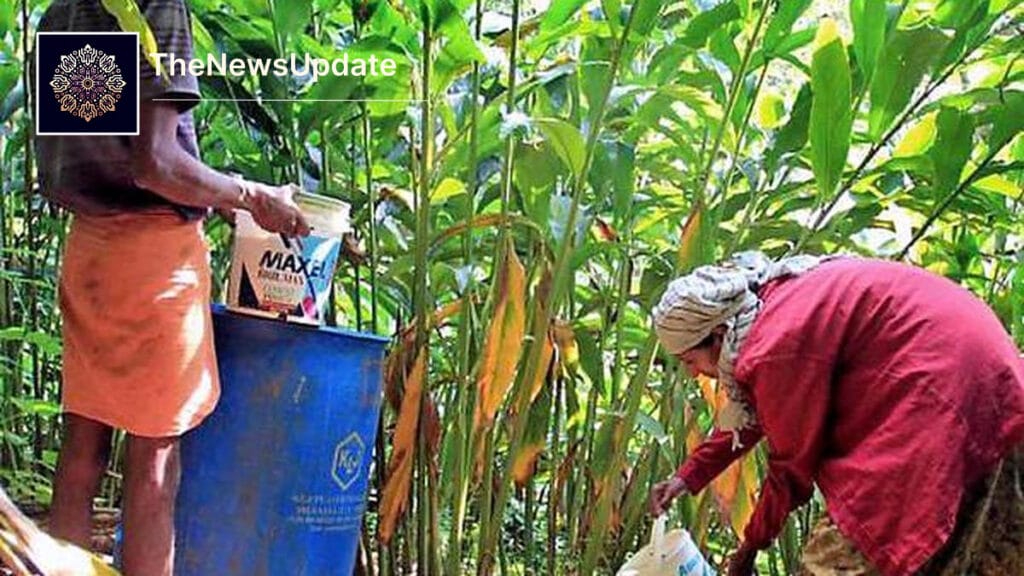
Cardamom is prized worldwide for its aroma and commands high prices, but farmers and researchers often call it the “toughest crop” for a reason. The plant is highly sensitive to pests, disease and weather swings; a single bad summer or heatwave can wipe out large portions of the yield. That fragility makes the question “can tech help for cardamom farmers?” urgent: small, affordable technologies and better scientific guidance could be the difference between profit and loss for thousands of smallholders in Kerala, Karnataka and Tamil Nadu.
This article unpacks the practical tech that’s already in the field — from mobile soil-testing apps and disease alerts to heat-pump dryers and breeding programs — and evaluates whether these tools really help cardamom farmers manage risk and raise incomes.
यह भी पढ़े:
 Osman Hadi Killers Fled to India via Meghalaya Border: Dhaka Police Reveal Shocking Escape Route
Tech Help for Cardamom Farmers: The Tools in Use
Digital tools are no longer exotic: many cardamom growers check weather, soil health and disease advisories on a phone. The Spices Board and its research wing provide farmer services and digital platforms that point growers to recommended practices and auction prices. These tools range from soil-health calculators to simple advisory chatlines that help farmers decide when to irrigate, spray or harvest.
Key categories of tech help for cardamom farmers include:
- Soil and nutrient apps — quick field diagnostics and fertilizer recommendations linked to local soil types.
- Weather and pest alerts — short SMS or app notifications that warn growers before heatwaves or disease outbreaks.
- Market information — live auction prices and demand signals so farmers can time sales better.
- Community tools — group booking for dryers, cooperatives that buy inputs in bulk, and shared advisory networks run by NGOs or social enterprises.
Research, Breeding and Institutional Support
Longer-term resilience for cardamom depends on plant science. The Indian Cardamom Research Institute (ICRI), part of the Spices Board, focuses on crop improvement, pest surveillance and capacity building. Its mandate includes supplying quality planting material and supporting location-specific practices — exactly the kind of institutional support that amplifies tech adoption among smallholders.
यह भी पढ़े:
 Bulldozer Raj Karnataka Demolitions: Congress Govt Faces Backlash After 400 Muslims Left Homeless
Researchers are working on drought-tolerant and disease-resistant varieties and trying to identify genetic markers that speed breeding programs. While molecular work on cardamom has historically lagged behind other staples, recent projects aim to bridge that gap so breeders can develop resilient varieties faster.
Post-harvest Tech: Dryers, Quality and Value
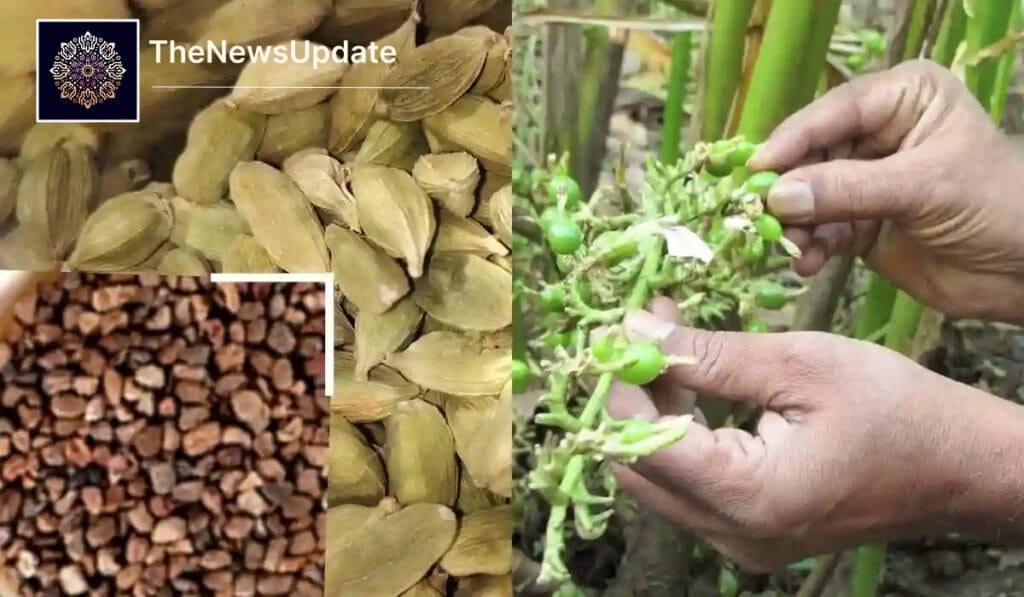
Post-harvest loss and inconsistent drying have been chronic problems — uneven or smoky drying hurts quality and price. Enter heat-pump dryers: compact, electrical units that deliver uniform heat, reduce smoke contamination and preserve the green colour buyers pay for. Social enterprises and some private manufacturers have introduced low-cost models that farmers or village groups can use, cutting drying costs and improving market returns.
Anecdotal and NGO reports show heat-pump drying lowers the cost per kilo and improves the finished appearance of the pods, which directly translates into higher auction prices at major spice markets. Combined with digital market signals, this helps farmers decide when and where to sell.

Organic Methods, Labour and Mechanisation Limits
Many farmers are experimenting with organic methods — using traditional Vrikshayurveda practices, homemade inputs and tighter agroecological management. Organic cultivation can reduce input costs and appeal to premium buyers, but it is riskier and often requires longer learning curves. Farmers who switch report high early losses before they stabilise production. The “science + soul” approach — combining research inputs and traditional knowledge — is a recurring theme in successful transitions.
Mechanisation has limited scope for cardamom: pruning, selective harvesting and careful pod picking remain highly skilled, largely manual tasks. Labour often accounts for the majority of costs at harvest, and the income model for smallholders depends on preserving pod quality rather than purely increasing bulk output. Mechanisation can help with spraying or some weeding operations, but not with the delicate decisions female harvesters make when selecting mature pods.
Case Studies: Kerala Farmers Adopting Tech
Real farmers illustrate both the promise and the limits of tech help for cardamom farmers:

- Community drying co-op: A Kerala village described reduced drying costs and improved colour using a shared heat-pump dryer managed by an NGO. The improved grade fetched a noticeably higher price at auction.
- Soil-testing app adoption: Smallholders using Spices Board services accessed targeted fertilizer recommendations and avoided blanket chemical applications, lowering costs and improving plant health.
- Organic convert who stuck with it: A former banker-turned-farmer who persisted with Vrikshayurveda methods after early failures now reports steadier yields — but stresses the decade-scale learning curve.
Costs, Returns and How Farmers Can Access Tech
Cost is the main barrier to scaling any tech help for cardamom farmers. Smallholders need low-capex or shared models: village dryers, cooperative subscriptions to apps, and subsidised planting material from research stations. The Spices Board supplies planting material on demand, and its price lists and auction data help farmers estimate returns when choosing between organic or conventional routes.
Practical financing routes include:
- Cooperative ownership of dryers and shared equipment.
- Microloans and SHG financing for small capex items (dryers, sensors).
- Government scheme linkages — state and central agricultural extension programs often subsidise improved planting material and equipment.
- NGO partnerships that bundle training, tech deployment and market access.
Conclusion: Practical Steps Forward
The evidence is cautiously optimistic: targeted, low-cost technologies—backed by strong extension and community ownership—do deliver measurable benefits. When technology is coupled with better planting material, drought-tolerant varieties and local market intelligence, the package becomes transformational. But the very nature of cardamom — its sensitivity, labour intensity and climatic vulnerability — means technology can lessen risk but not remove it.
यह भी पढ़े:
 Canada Hospital Killed Indian-Origin Man: Wife Alleges Medical Negligence After 8-Hour Wait
If policymakers and donor programmes want to scale help, the priorities are clear: fund community assets (like heat-pump dryers), expand farmer access to reliable soil and disease advisory apps, and accelerate public-sector breeding programs at the Indian Cardamom Research Institute. Those steps would make “tech help for cardamom farmers” more than a pilot project — they could make it a national-level resilience strategy for a crop that supports thousands of livelihoods.
Related Reads
By The Morning News Informer — Updated November 21, 2025