Table of Contents
- Background: Google’s Push Toward Conversational Commerce
- AI Shopping Upgrades Inside Google Search
- Gemini Becomes a Smart Shopping Planner
- Automated Price Tracking & AI Checkout
- AI Calls to Local Stores for Stock & Pricing
- Why Google AI Shopping Tools 2025 Matter
- Conclusion
Background: Google’s Push Toward Conversational Commerce
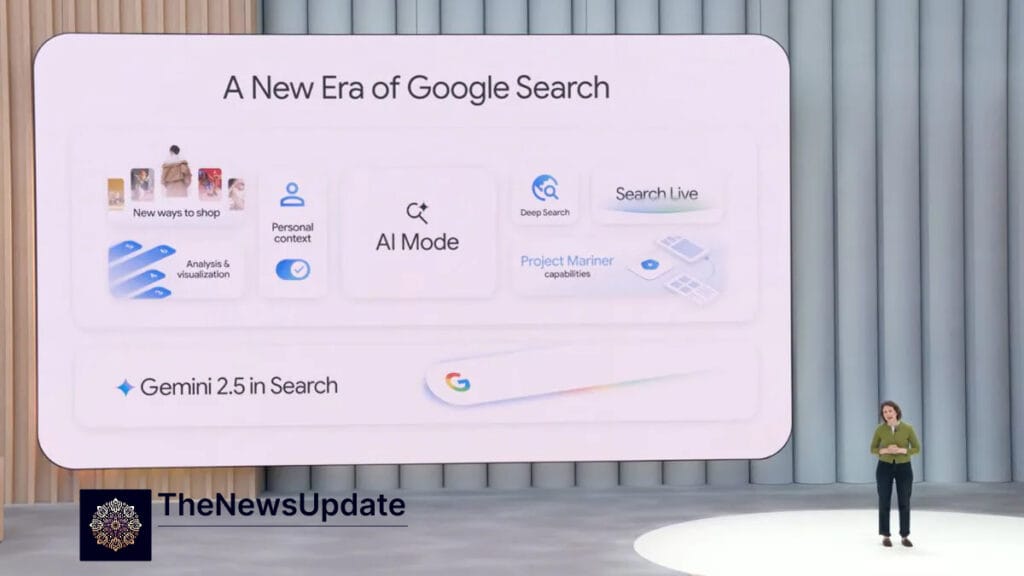
Google has been integrating artificial intelligence into its services for years, but 2025 stands out as the year the company aggressively reimagined how online shopping works. Instead of relying on short keywords, filters, or endless scrolling, shoppers now interact with Search and Gemini in a natural, conversational way. The goal is simple: reduce friction and help users move from question to purchase without switching apps or navigating complex menus.
The introduction of Google AI shopping tools 2025 marks a major forward leap in this direction. Powered by advanced Gemini models and the enormous Shopping Graph, Google is creating what can only be described as an AI-assisted personal shopping ecosystem. Everyday users can now ask questions like:
- “Which noise-cancelling headphones are best for studying under ₹10,000?”
- “Find me a durable backpack for college with waterproof material.”
- “Show me alternatives to Apple Watch with better battery life.”
Instead of scattered search results, Google instantly delivers structured comparisons, shoppable image grids, and product insights sourced from more than 50 billion listings, refreshed two billion times every hour. This level of real-time product intelligence offers accuracy, speed, and personalization rarely seen before.
AI Shopping Upgrades Inside Google Search
The biggest transformation arrives inside Google Search itself. AI Mode—already popular for creative, brainstorming, and question-answering tasks—now extends fully into the shopping experience. When users type naturally phrased queries, Search interprets intent, context, and preference to generate smarter shopping responses.
According to Vidhya Srinivasan, Google’s VP & GM of Ads & Commerce, people are increasingly using long, descriptive queries within AI Mode. This indicates that shoppers are more comfortable letting AI understand and interpret their needs rather than manually applying filters.

How the AI Shopping Enhancement Works
- Conversational Search: Users can ask complex product questions, and AI Mode generates recommendations tailored to budget, size, features, or purpose.
- Shoppable Image Grids: When queries involve visuals (“show me beige wedding dresses”), results appear in swipeable, curated image collections.
- AI Comparison Tables: Technical searches return structured tables with specs, texture comparisons, ingredients, pros/cons, and user review highlights.
- Real-Time Product Intelligence: Backed by Google’s constantly updated Shopping Graph.
These updates make Google AI shopping tools 2025 more than just search helpers—they are comparators, stylists, analysts, and decision coaches.
Gemini Becomes a Smart Shopping Planner
While Search focuses on discovery, the Gemini app evolves into an intelligent planning hub. It helps users refine preferences, organize ideas, compare options, and even gather products from multiple categories into structured lists.
What Gemini Can Do for Shoppers
- Provide product ideas based on a specific budget (“Plan a gaming setup under $800”).
- Create comparison sheets including ratings, specs, durability, and pros/cons.
- Generate shopping lists for events like birthdays, travel, or home redesign.
- Offer direct purchase links from multiple retailers.
Currently, these features are rolling out to U.S. users aged 18+ with personal accounts, signaling a controlled but impactful introduction.

Automated Price Tracking & AI Checkout
Another milestone feature in Google AI shopping tools 2025 is the fully agentic checkout system. This functionality gives AI the ability to track prices automatically, monitor discounts, and even complete purchases with user approval.
How AI Checkout Works
Users simply set conditions—for example:
- “Buy this chair if the price drops below $120.”
- “Alert me if these sneakers go on sale.”
Google then monitors price changes across supported stores and sends alerts. If permitted, it completes the purchase using Google Pay, reducing manual effort and saving time.
यह भी पढ़े:
 Samsung Bixby Perplexity AI Integration: 7 Key Signs Samsung Is Reinventing Its Voice Assistant
Early retail partners include:
- Wayfair
- Chewy
- Quince
- Selected Shopify stores
With more integrations expected, this automation could become one of the most significant shopping upgrades of the decade.
AI Calls to Local Stores for Stock & Pricing

One of the most intriguing additions is Google’s ability to call nearby stores using an upgraded Duplex-Gemini system. When users search for products “near me”, a new option labeled “Let Google call” appears. Once activated, Google automatically:

- Contacts local retailers
- Checks stock availability
- Confirms pricing
- Summarizes the details for the user
This gives shoppers real-time clarity without needing to call multiple stores themselves.
Why Google AI Shopping Tools 2025 Matter
The impact of these updates goes beyond convenience. They symbolize a shift toward what many experts call conversational commerce—shopping guided through natural dialogue with AI, not rigid menus.
Key Benefits
- Faster product discovery with minimal clicks.
- Better personalization through natural language understanding.
- Smarter decisions backed by structured comparisons.
- Reduced effort with automated price monitoring and checkout.
- Real-time local availability via AI-powered phone calls.
With billions of people depending on Google Search for product research, these AI upgrades will shape shopping habits worldwide.
यह भी पढ़े:
 New York Times Reporter, Authors Sue Google, OpenAI, Meta Over AI-Based Copyright Infringement
Conclusion
Google AI shopping tools 2025 demonstrate how artificial intelligence can simplify complex decisions and bring clarity to overwhelming online markets. With Search and Gemini now working together, users gain an end-to-end shopping assistant that can answer questions, compare products, track prices, and confirm availability—all through natural, human-like conversation.
By The News Update — Updated November 15, 2025